

Blog
IPS for Computer Lab and Coding Center Bangladesh — Multi-Computer Backup Solution 2026

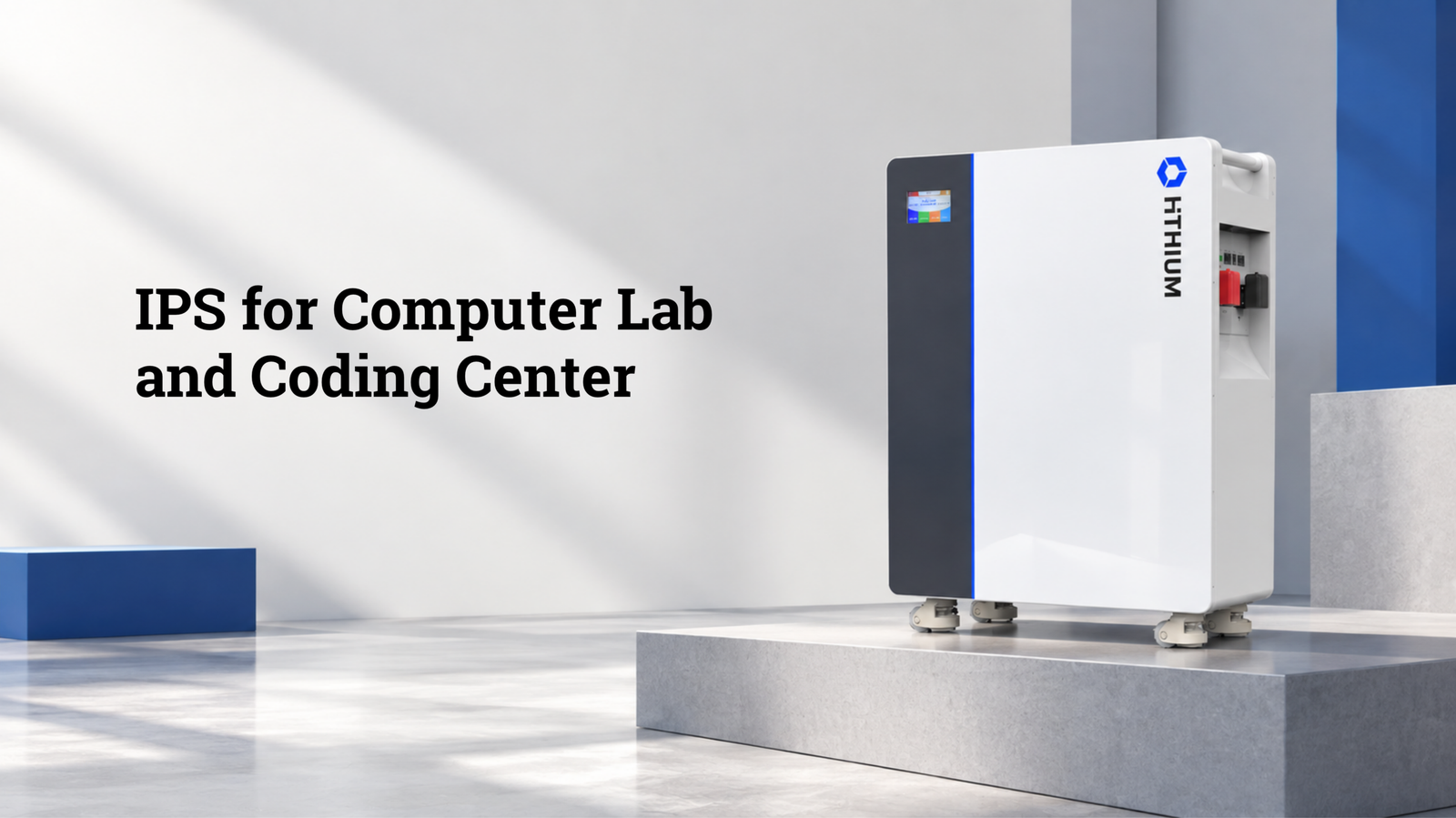
Reliable Power Backup for Your Computer Lab
Computer labs and coding centers in Bangladesh face constant power interruptions. Every hour of downtime means lost productivity, interrupted classes, and frustrated students. A proper IPS for computer lab ensures your systems stay running during load shedding, protecting both equipment and educational continuity. With Bangladesh experiencing 6-10 hours of load shedding daily in some areas, reliable backup power is not optional—it is essential.
Why Computer Labs Need Reliable IPS Backup
Unlike residential homes, computer labs run 20-50+ systems simultaneously. Each computer draws 150-300W, meaning a typical lab needs 4-12kWh of continuous backup power. Without reliable IPS backup:
- Unsaved work gets lost during sudden power cuts, disrupting student projects and coding sessions
- Hard drives can suffer damage from improper shutdowns, leading to costly data recovery
- Internet routers and switches need constant power for online exams and cloud-based learning platforms
- Coding instructors waste valuable class time on power management and system recovery
- Server-dependent lab exercises fail, breaking the curriculum flow
Calculating IPS Capacity for Your Computer Lab
Before choosing an IPS system, calculate your total load:
| Equipment | Qty | Power Each (W) | Total (W) |
|---|---|---|---|
| Desktop Computer + Monitor | 30 | 250W | 7,500W |
| Projector/Smart Board | 2 | 300W | 600W |
| Networking Equipment (Routers, Switches) | 5 | 50W | 250W |
| Air Conditioner (if applicable) | 2 | 1,200W | 2,400W |
| Lighting & Fans | – | – | 500W |
| Total Estimated Load | – | – | ~11,250W |
For a 11.25kW load, you need a 12-15kVA IPS system with sufficient battery capacity for at least 2-4 hours of backup during peak usage. Use our complete IPS load calculation guide for step-by-step instructions tailored to your specific setup.
Recommended Products for Computer Lab Backup
HiTHIUM MaxPower 8 — 8kWh Residential ESS
The HiTHIUM MaxPower 8 is an 8kWh all-in-one energy storage system perfect for smaller computer labs. It combines a pure sine wave inverter with LiFePO4 batteries, providing clean power that protects sensitive computer equipment.
Key Specifications:
- Battery Capacity: 8kWh LiFePO4
- Inverter Output: Pure sine wave, 5,000W continuous
- Battery Life: 11,000 cycles at 100% DOD
- Scalability: Can connect multiple units for larger labs
- Smart Monitoring: WiFi monitoring via mobile app for remote management
Real-world capacity: Can power 25+ desktop computers for 2-3 hours during outages, or 8-10 computers for a full 4-hour session.
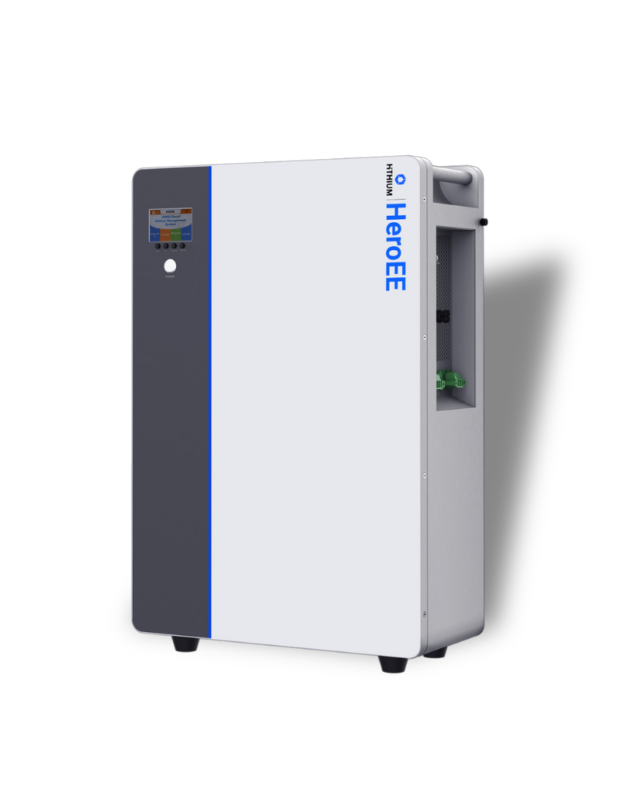
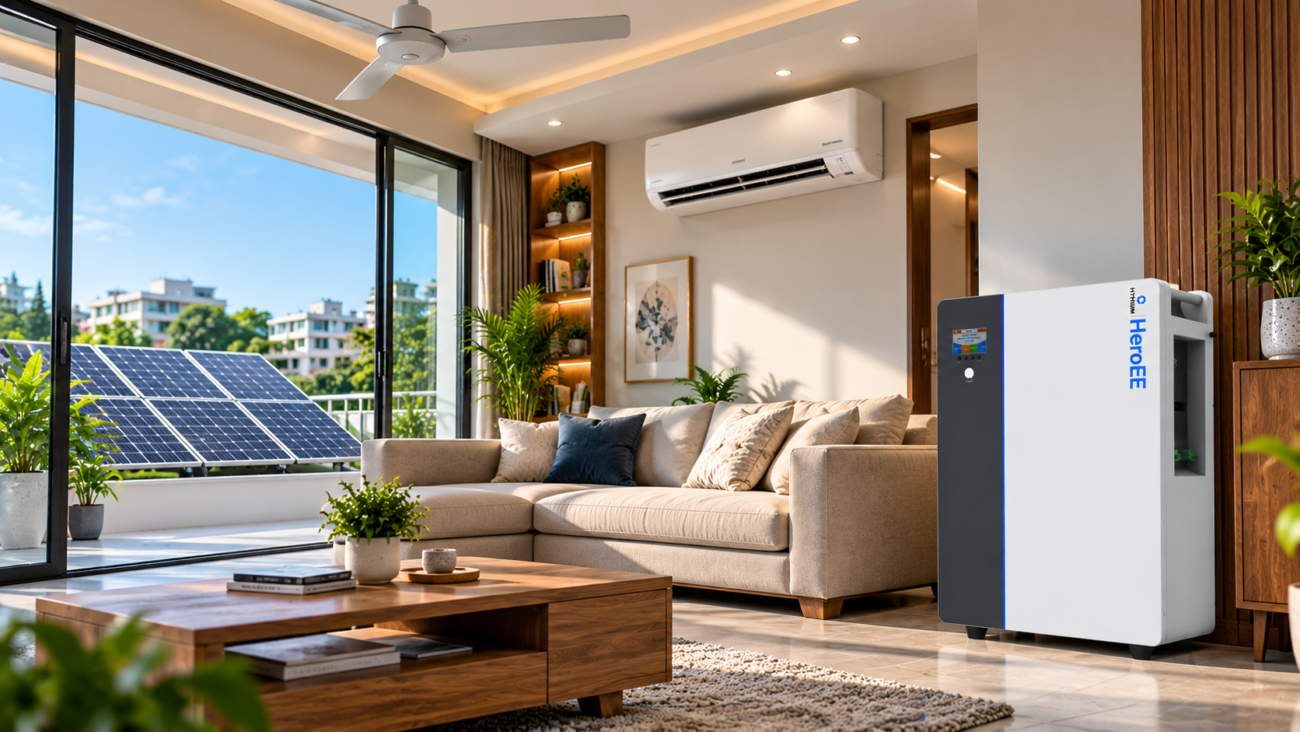
HiTHIUM HeroEE 16 — 16kWh Industrial Energy Storage
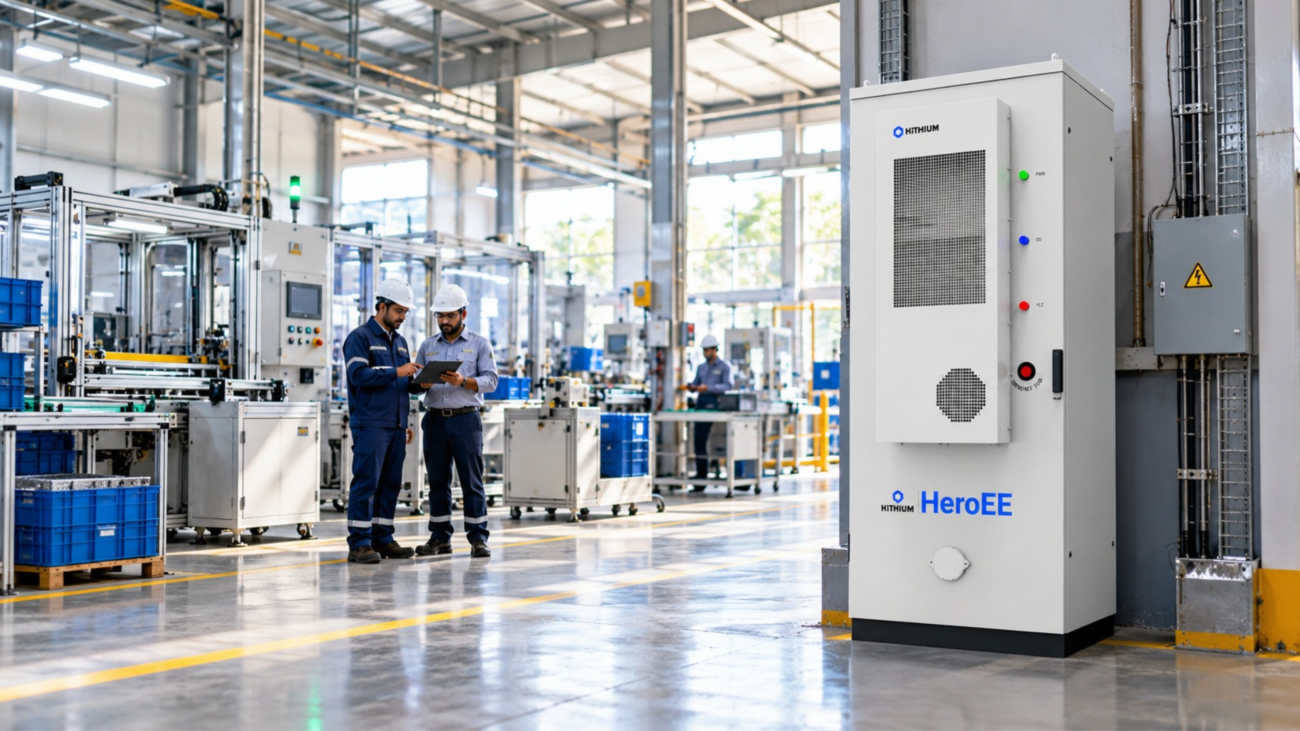
For larger coding centers and computer labs with 30+ systems, the HiTHIUM HeroEE 16 delivers 16kWh of LiFePO4 energy storage. This industrial-grade system provides extended backup duration for uninterrupted coding sessions and examinations.
Key Specifications:
- Battery Capacity: 16kWh LiFePO4
- Continuous Output: Up to 11kW (with compatible inverter)
- Cycle Life: 11,000 cycles
- BMS: Built-in Battery Management System
- Expansion: Parallel connection capability for growing labs
HiTHIUM HeroEE 4— 4019Wh Modular Battery
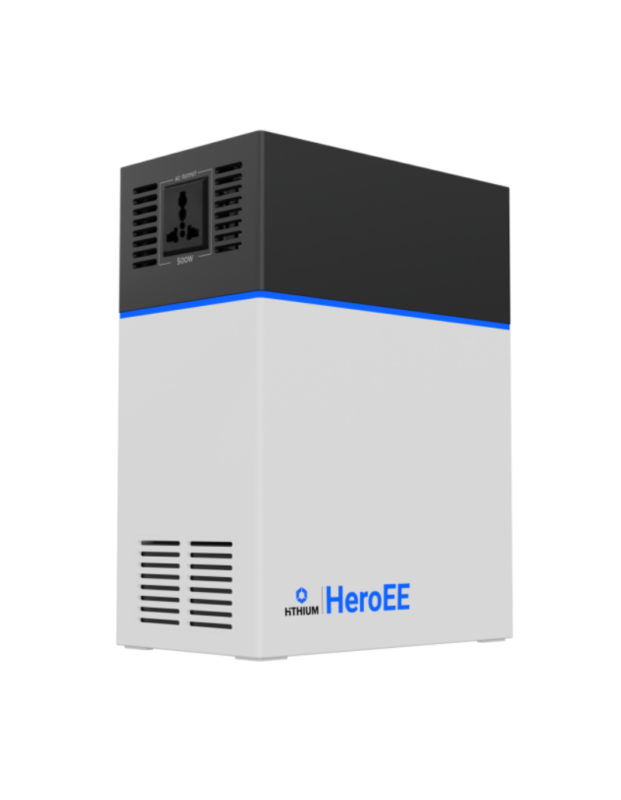
The HiTHIUM HeroEE 4 4019Wh offers modular flexibility. Stack up to 4 units in series to build custom capacity for your lab. Each unit delivers 4kWh with 150A continuous current output.
Specifications:
- Capacity per unit: 4019Wh
- Voltage: 12.8V nominal, 10.8-14.6V range
- IP Rating: IP67 suitable for various environments
- Weight: ~29.25 kg per unit
- Certifications: UN38.3, MSDS
LiFePO4 vs Tubular Batteries for Computer Labs
Many computer labs in Bangladesh still use traditional tubular batteries. Here is why LiFePO4 is the better choice for lab environments:
- Voltage stability: LiFePO4 maintains consistent voltage throughout discharge, preventing sudden shutdowns that can corrupt hard drives
- Charge speed: LiFePO4 charges 3x faster than tubular batteries, meaning less downtime between outages
- Lifespan: 11,000 cycles vs 1,000-1,500 for tubular — saving replacement costs
- Maintenance: Zero maintenance vs monthly water topping for tubular batteries
- Safety: LiFePO4 is chemically stable and does not produce toxic gases, safe for indoor lab environments
For a detailed comparison, see our lithium battery guide or IPS vs inverter comparison.
Installation Tips for Computer Lab IPS Systems
- Location: Install IPS in a cool, dry, well-ventilated area away from direct sunlight and moisture. LiFePO4 batteries perform optimally between 20-30°C.
- Ventilation: Ensure 30cm clearance around the unit for proper heat dissipation.
- Professional wiring: Use qualified electricians for high-capacity IPS installations. Follow our step-by-step installation guide.
- Surge protection: Install surge protectors between grid input and IPS system.
- Regular maintenance: Check battery terminals quarterly and clean corrosion buildup.
- Grounding: Proper earth grounding is essential for computer lab safety and equipment protection.
- Monitoring: Use a WiFi-enabled IPS to monitor lab power status remotely.
Cost Considerations for Computer Lab IPS in Bangladesh
Investing in a proper IPS system for your computer lab pays off quickly:
- 8kWh system: Approximately BDT 236,000-287,000
- 16kWh system: Approximately BDT 3,36,000
- ROI: Reduced downtime = increased student throughput and satisfaction
- Operating cost: BDT 0/kWh vs BDT 25-30/liter for diesel generators
Compared to diesel generators, IPS systems have lower operating costs and require minimal maintenance. For a complete cost breakdown, see our IPS installation cost guide.
Adding Solar to Your Computer Lab IPS
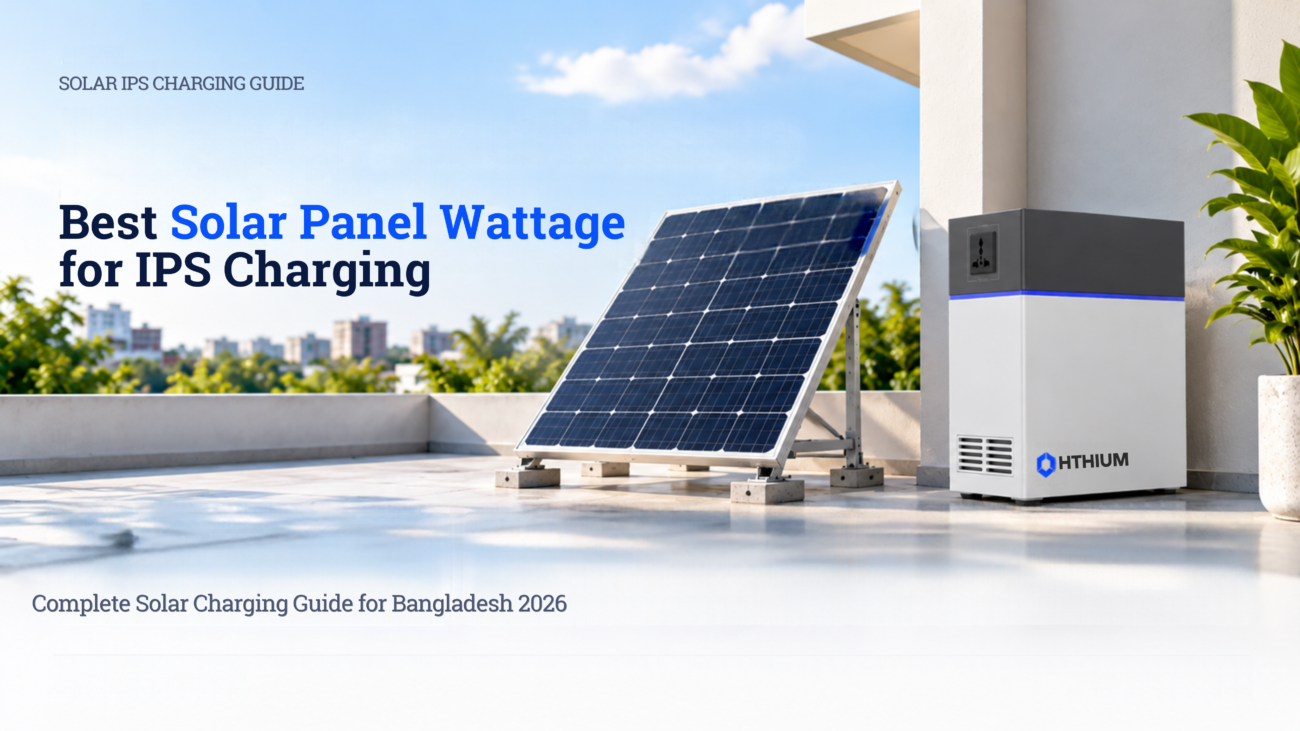
Computer labs typically operate during daytime hours when solar energy is abundant. Adding a solar charging system can reduce your electricity bill while extending IPS runtime. A 2-5kW solar array paired with your HiTHIUM IPS can charge batteries during class hours, ensuring full backup capacity for evening sessions or unexpected outages. Learn more in our solar panel setup guide.
FAQ — IPS for Computer Labs
How many computers can a 10kVA IPS power?
A 10kVA IPS with proper LiFePO4 batteries can power approximately 20-25 standard desktop computers (150-300W each) for 1-2 hours, depending on battery capacity and usage patterns.
Is LiFePO4 better than tubular battery for computer labs?
Yes. LiFePO4 batteries provide stable voltage output throughout discharge, charge 3x faster, last 6000+ cycles vs 1000-1500 for tubular, and require zero maintenance—critical for lab environments.
Can I connect solar panels to my computer lab IPS?
Absolutely. HiTHIUM systems support MPPT solar charging. A 2kW solar array can significantly reduce grid dependency and operating costs during daytime classes.
How long does an 8kWh IPS backup last in a computer lab?
With 20 computers drawing ~5kW total, an 8kWh system provides approximately 1-1.5 hours of full-load backup. Reducing to essential computers extends runtime to 2-3 hours.
What warranty comes with HiTHIUM computer lab IPS systems?
HiTHIUM offers 3-5 year warranties on their IPS systems and LiFePO4 batteries, with service support across Bangladesh including Dhaka, Chittagong, and Rajshahi.
Contact HiTHIUM for Computer Lab Solutions
Need a custom IPS solution for your computer lab or coding center? Contact HiTHIUM Bangladesh today for a free site assessment and quotation. Our team will design the perfect backup system for your facility.
Related Posts
Solar + LiFePO4 Battery System Cost Analysis Bangladesh 2026: Complete Price Guide

How to Calculate Solar Panel Wattage for LiFePO4 Battery in Bangladesh (2026 Guide)
Best LiFePO4 Battery for Solar Home System in Bangladesh 2026 — Complete Buying Guide
Discover the best LiFePO4 batteries for solar home systems in Bangladesh. Compare HiTHIUM HeroEE L12314ES (4019Wh), MaxPower 8 AIO, and HeroEE 2 — with prices, specs, and buying tips for 2026.