




Blog
How to Calculate Solar Panel Wattage for LiFePO4 Battery in Bangladesh (2026 Guide)

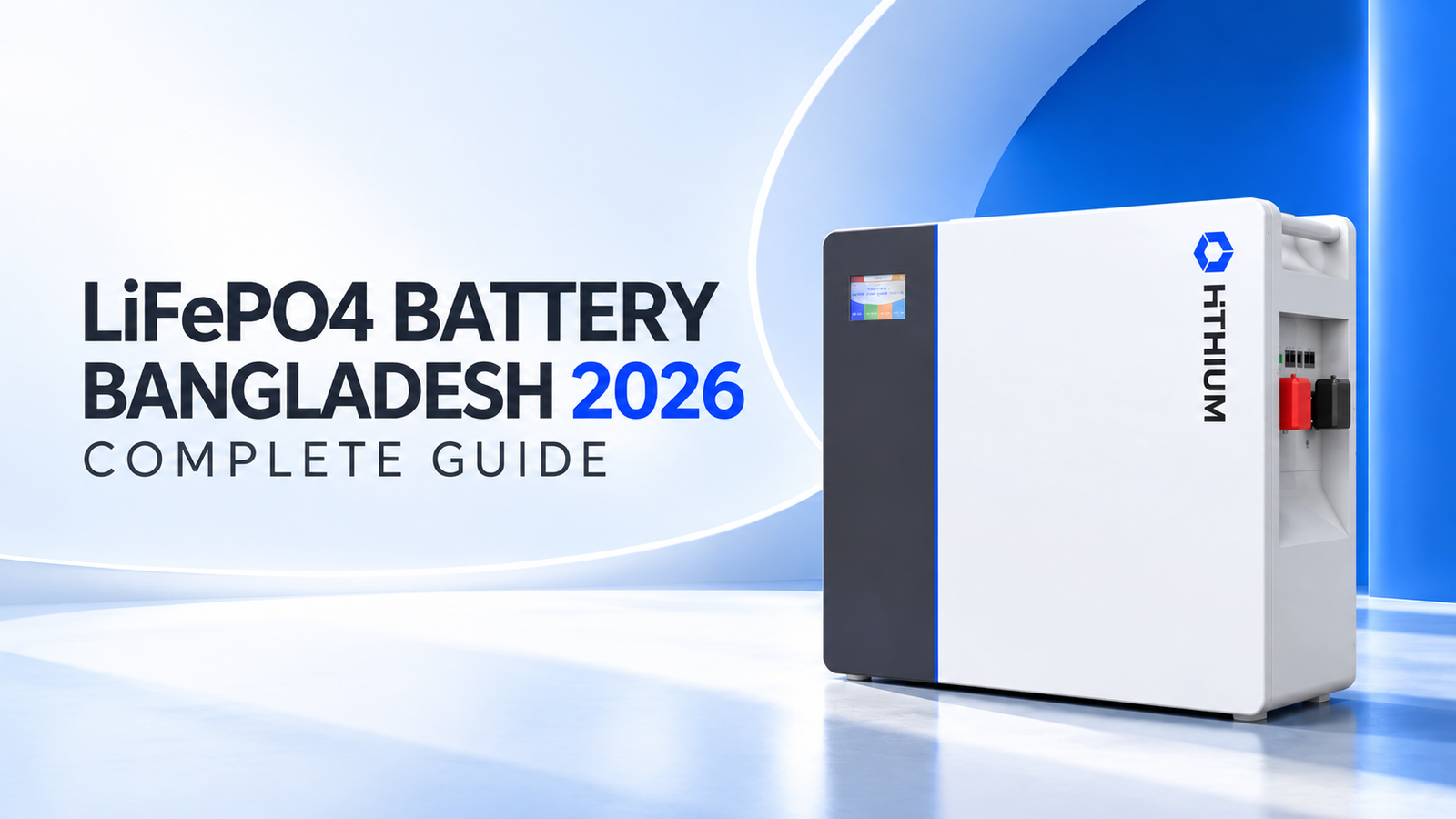
Why Solar Panel Wattage Matters for LiFePO4 Batteries in Bangladesh
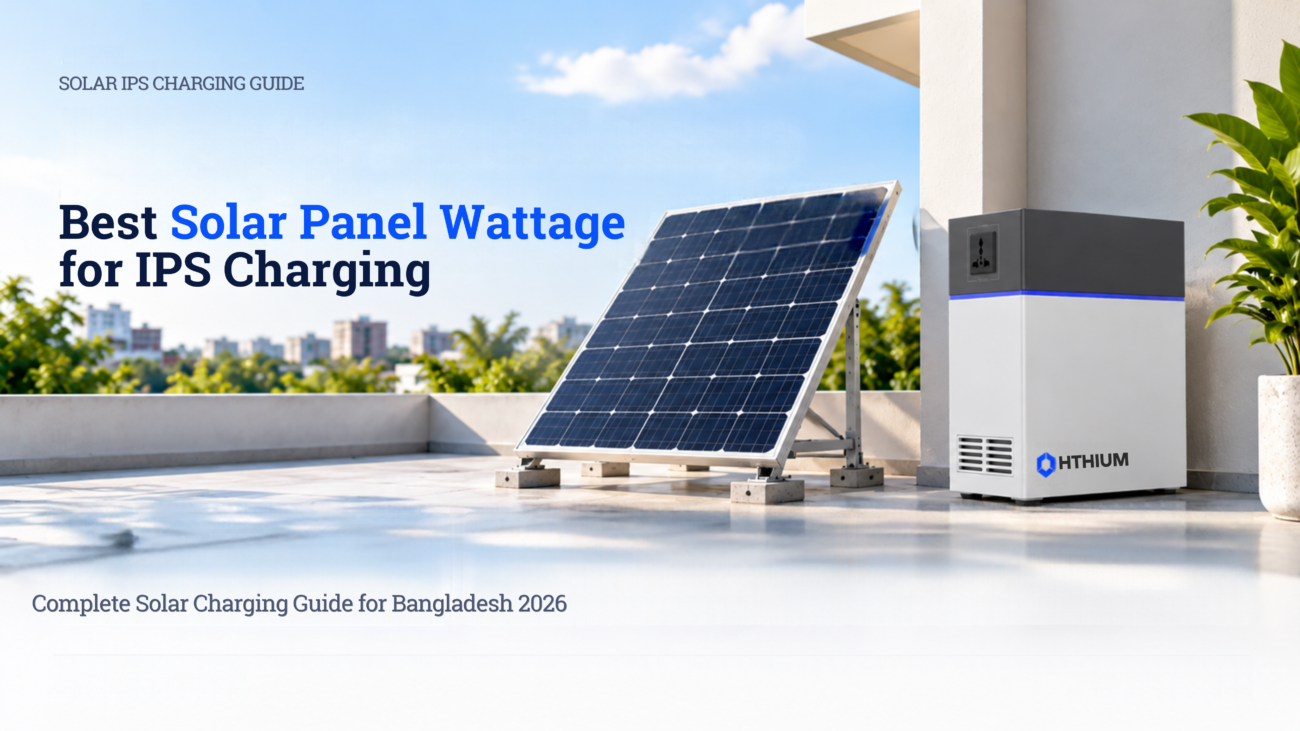
Load shedding and rising electricity costs have made solar energy one of the smartest investments for Bangladeshi homes and businesses. But one of the most common mistakes buyers make is pairing the wrong solar panel wattage with their LiFePO4 battery — resulting in slow charging, wasted sunlight hours, or even damaging the battery through undercharging.
This guide will teach you exactly how to calculate the right solar panel wattage for your LiFePO4 battery system, with real product examples from HiTHIUM HeroEE 4 4019Wh, HeroEE 2 (2kWh), and other popular batteries available in Bangladesh.
The Basic Formula: How to Calculate Solar Panel Wattage
Calculating the right solar panel wattage for your LiFePO4 battery involves three key factors:
- Battery Capacity (Watt-hours): Total energy stored in the battery
- Charge Current Requirement: How fast the battery can safely accept charge
- Peak Sun Hours in Bangladesh: Average daily sunlight available
The basic formula is:
Solar Panel Wattage = (Battery Capacity in Wh × Charge Efficiency Factor) ÷ Peak Sun Hours
Where the Charge Efficiency Factor accounts for losses in MPPT controllers, wiring, and heat — typically 1.2 to 1.3 (meaning you need 20–30% more panel capacity than the theoretical minimum).
Step-by-Step: Calculate Panel Wattage for Common HiTHIUM Batteries
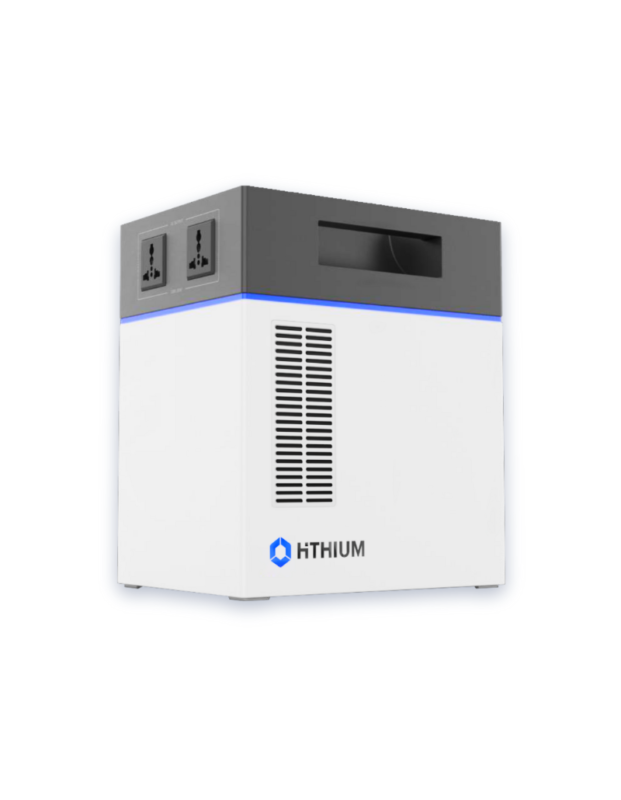
Example 1: HiTHIUM HeroEE L12314ES (4019Wh)
Let’s calculate the ideal solar panel size for our most popular residential battery.
| Specification | Value |
|---|---|
| Battery Model | HiTHIUM HeroEE L12314ES |
| Battery Capacity | 4019Wh (12.8V × 314Ah) |
| Recommended Charge Current | Up to 100A (max) |
| Max Recommended Solar Input | ~1500W (with MPPT controller) |
| Peak Sun Hours (Bangladesh) | 4.5–5.5 hours/day (average) |
| Minimum Solar Panel Wattage | 900W–1200W |
| Optimal Solar Panel Wattage | 1200W–1500W |
| Price in Bangladesh | BDT 74,500 |
Calculation:
- Battery Capacity: 4019Wh
- Efficiency Factor: 1.25
- Daily Energy Needed: 4019 × 1.25 = 5,024Wh
- Minimum Panel Size (5 peak sun hours): 5,024 ÷ 5 = ~1,005W
- Optimal Panel Size: 1,005 × 1.2 = ~1,200W–1,500W
For this battery, we recommend pairing it with two HiTHIUM HC200 200W portable solar panels in parallel (total 400W minimum), or up to 6 panels for faster charging during summer months.
Example 2: HiTHIUM HeroEE 2 (2kWh)
| Specification | Value |
|---|---|
| Battery Model | HiTHIUM HeroEE 2 |
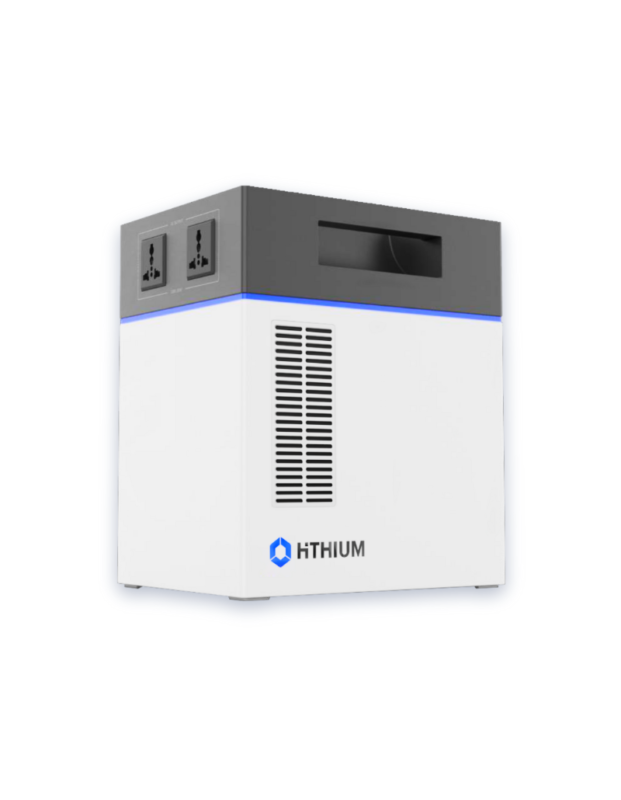
| Battery Capacity | 2009.6Wh (2kWh) |
| Max Solar Input | 450W (12–50V DC input) |
| Peak Sun Hours (Bangladesh) | 4.5–5.5 hours/day |
| Optimal Solar Panel Wattage | 300W–450W |
| Price in Bangladesh | BDT 78,100 |
Calculation:
- Battery Capacity: 2009.6Wh
- Optimal Panel Size: 2009.6 × 1.25 ÷ 5 = ~502W (theoretical max)
- But HeroEE 2 supports max 450W solar input
- Recommendation: 2 × 200W panels or 1 × 400W fixed panel
Example 3: HiTHIUM HeroEE 1 (1kWh)
| Specification | Value |
|---|---|
| Battery Model | HiTHIUM HeroEE 1 |
| Battery Capacity | 1004.8Wh (1kWh) |
| Max Solar Input | 200W (12–36V DC input) |
| Peak Sun Hours (Bangladesh) | 4.5–5.5 hours/day |
| Optimal Solar Panel Wattage | 150W–200W |
| Price in Bangladesh | BDT 33,725 |
Calculation:
- Battery Capacity: 1004.8Wh
- Optimal Panel Size: 1004.8 × 1.25 ÷ 5 = ~251W (theoretical)
- But HeroEE 1 supports max 200W solar input
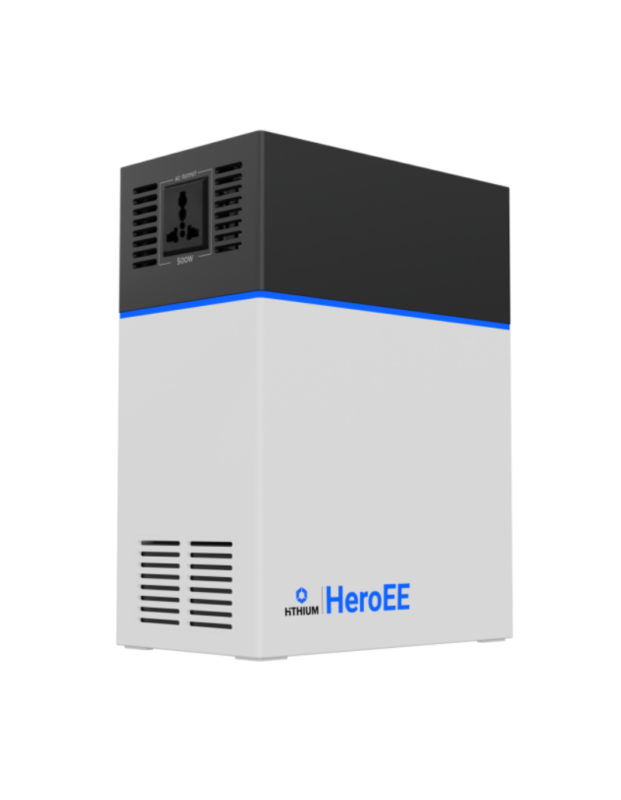
- Recommendation: 1 × 200W panel (such as the HiTHIUM HC200 portable foldable panel)
Example 4: HiTHIUM MaxPower 8 AIO (8kWh All-in-One)
| Specification | Value |
|---|---|
| System Model | HiTHIUM HeroEE MaxPower 8 AIO |
| Total Capacity | 8kWh (314Ah @ 25.6V) |
| Built-in MPPT Solar Charge Controller | 9kW max |
| Peak Sun Hours (Bangladesh) | 4.5–5.5 hours/day |
| Recommended Solar Panel Array | 3,000W–5,000W |
| Price in Bangladesh | BDT 287,000 |
With its built-in 9kW MPPT controller, the MaxPower 8 AIO can handle a large solar array. For a typical Bangladeshi home, we recommend 4–6 kW of solar panels to fully charge the 8kWh battery within a single day during peak sunlight.
Key Factors That Affect Solar Panel Sizing in Bangladesh
1. Location and Weather Conditions
Bangladesh receives between 4.5 to 5.5 peak sun hours per day on average, but this varies:
- Southern coastal areas (Khulna, Barisal): ~5.0–5.5 peak hours
- Central regions (Dhaka, Munshiganj): ~4.8–5.2 peak hours
- Northern regions (Rangpur, Dinajpur): ~5.0–5.5 peak hours
- Southwestern regions (Cox’s Bazar, Chittagong): ~4.5–5.0 peak hours
During monsoon season (June–September), cloudy skies can reduce effective peak hours to 3–4, so it’s wise to oversize your solar array by 20–30% for year-round performance.
2. Battery Chemistry and Charge Rate
LiFePO4 batteries like those from HiTHIUM can safely accept higher charge currents than traditional lead-acid batteries. However, the maximum charge current depends on the specific model:
- Small portable units (HeroEE 1): Max 200W solar input
- Mid-range units (HeroEE 2): Max 450W solar input
- ESS batteries (L12314ES): Up to 1500W+ with external MPPT
- All-in-One systems (MaxPower 8 AIO): Built-in 9kW MPPT
3. Type of MPPT Solar Charge Controller
MPPT (Maximum Power Point Tracking) controllers are significantly more efficient than PWM controllers, especially for LiFePO4 battery systems. An MPPT controller can extract 20–30% more power from your solar panels, meaning you may need fewer panels to achieve the same charging speed.
Solar Panel Wattage Quick Reference Chart
| Battery Capacity | Minimum Panel Size | Optimal Panel Size | Recommended HiTHIUM Product |
|---|---|---|---|
| 1kWh (1000Wh) | 150W | 200W | HeroEE 1 + HC200 Panel |
| 2kWh (2000Wh) | 300W | 450W | HeroEE 2 + 2×HC200 |
| 4kWh (4019Wh) | 900W | 1200W–1500W | L12314ES + 4–6×HC200 |
| 8kWh (8038Wh) | 9000W | 3000W–9000W | MaxPower 8 AIO |
Tips for Maximum Solar Charging Efficiency in Bangladesh
- Face panels south: In the Northern Hemisphere, solar panels should face true south for maximum exposure
- Avoid shading: Even partial shading can reduce panel output by 50% or more. Keep panels clear of trees, buildings, and dust
- Clean panels regularly: Bangladesh’s dust and pollution can reduce efficiency by 10–15%. Clean panels every 2–4 weeks
- Angle panels correctly: In Bangladesh, a tilt angle of 15–25 degrees facing south is optimal for year-round performance
- Use MPPT controllers: Always pair your LiFePO4 battery with an MPPT charge controller, not PWM
- Size for monsoon: Oversize your solar array by 20–30% to account for cloudy monsoon months
Common Mistakes to Avoid
Mistake 1: Undersizing Solar Panels
The most common error is buying solar panels that are too small for the battery. For example, pairing a 4kWh battery with only a 200W panel will take 2–3 sunny days to fully charge — defeating the purpose of daily backup power.
Mistake 2: Ignoring Battery Charge Rate Limits
Some batteries have maximum solar input limits. Connecting more panel wattage than the battery accepts won’t charge faster — it may damage the charge controller or void the warranty.
Mistake 3: Not Considering Monsoon Season
Bangladesh receives heavy rainfall from June to September. During these months, effective solar charging hours drop significantly. Always size your system for worst-case conditions, not just summer peaks.
Frequently Asked Questions
Q: How many solar panels do I need for a 4kWh LiFePO4 battery?
For a HiTHIUM HeroEE 4 4019Wh battery, you need a minimum of 900W–1200W of solar panels for full daily charging in Bangladesh. This typically means 4–6 × 200W panels or 2–3 × 400W–500W panels, depending on available roof space and budget.
Q: Can I use the same solar panels for different HiTHIUM batteries?
Yes, as long as the total wattage matches the battery’s maximum solar input. HiTHIUM HC200 200W panels are versatile and can be combined in various configurations for HeroEE 1, HeroEE 2, or the L12314ES battery.
Q: Does panel wattage affect battery lifespan?
Indirectly, yes. Properly sized panels ensure your battery charges fully every day, which prevents sulfation (in lead-acid) or deep discharge cycles (in LiFePO4). Over-sizing panels beyond the battery’s max input rating can damage the charge controller. Follow the recommended wattage guidelines above.
Q: What’s the best solar panel for LiFePO4 batteries in Bangladesh?
The HiTHIUM HC200 200W foldable solar panel is an excellent choice for portable and semi-permanent installations. For fixed rooftop systems, consider higher-wattage monocrystalline panels (400W–550W) with MC4 connectors compatible with MPPT controllers.
Q: How long does it take to charge a 4kWh battery with a 1000W solar array?
In Bangladesh, with 5 peak sun hours and a 1000W solar array connected to an MPPT controller, you can expect to charge a 4019Wh LiFePO4 battery from 20% to 100% in approximately 5–6 hours of good sunlight.
Q: Should I buy solar panels and battery separately or as a bundle?
HiTHIUM offers the HeroEE 4 & Gospower 1.6KW bundle at BDT 81,000, which includes the battery and an integrated solar-ready inverter system. For complete off-grid solutions, the MaxPower 8 AIO combines battery, inverter, and MPPT charger in one unit.
Conclusion: Getting Your Solar + Battery Calculation Right
Calculating the correct solar panel wattage for your LiFePO4 battery doesn’t have to be complicated. Remember these key points:
- Use the formula: Panel Wattage = (Battery Wh × 1.25) ÷ Peak Sun Hours
- Bangladesh averages 4.5–5.5 peak sun hours daily
- Always check the battery’s maximum solar input rating
- Oversize your array by 20–30% for monsoon reliability
- Invest in MPPT controllers for maximum efficiency
Whether you’re choosing a compact HeroEE 1 portable power station for emergency backup or a full MaxPower 8 AIO home energy system, proper solar panel sizing ensures you get the most out of Bangladesh’s abundant sunshine. Visit hithiumbd.com to explore our complete range of LiFePO4 batteries and solar solutions with expert guidance tailored to your energy needs.
Related Posts
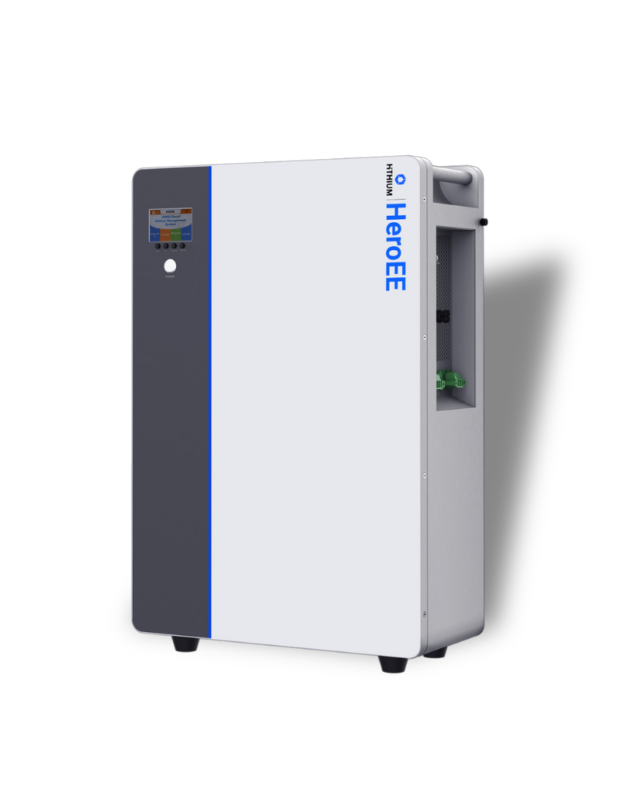
Solar + LiFePO4 Battery System Cost Analysis Bangladesh 2026: Complete Price Guide

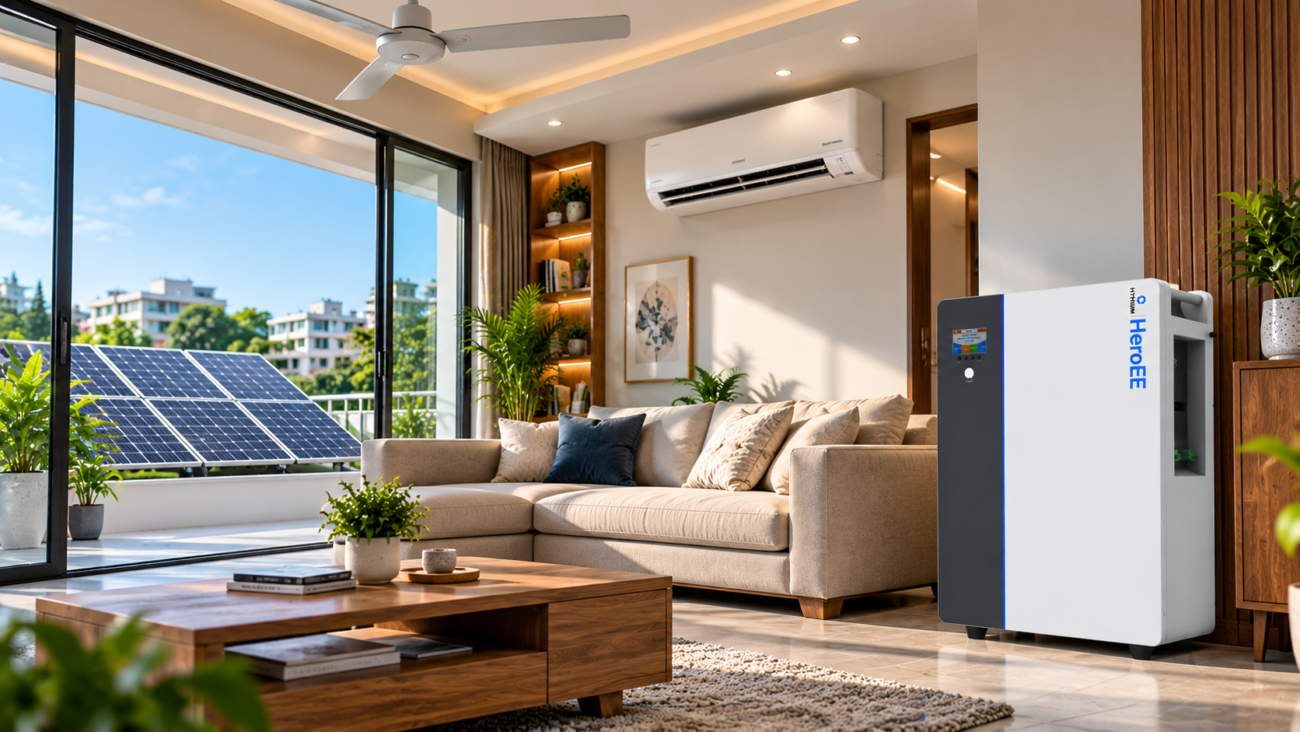
Best LiFePO4 Battery for Solar Home System in Bangladesh 2026 — Complete Buying Guide
Discover the best LiFePO4 batteries for solar home systems in Bangladesh. Compare HiTHIUM HeroEE L12314ES (4019Wh), MaxPower 8 AIO, and HeroEE 2 — with prices, specs, and buying tips for 2026.

2 thoughts on “How to Calculate Solar Panel Wattage for LiFePO4 Battery in Bangladesh (2026 Guide)”