

Blog
IPS for Printing Press and Photocopy Shop Bangladesh — Heavy Motor Backup Solution

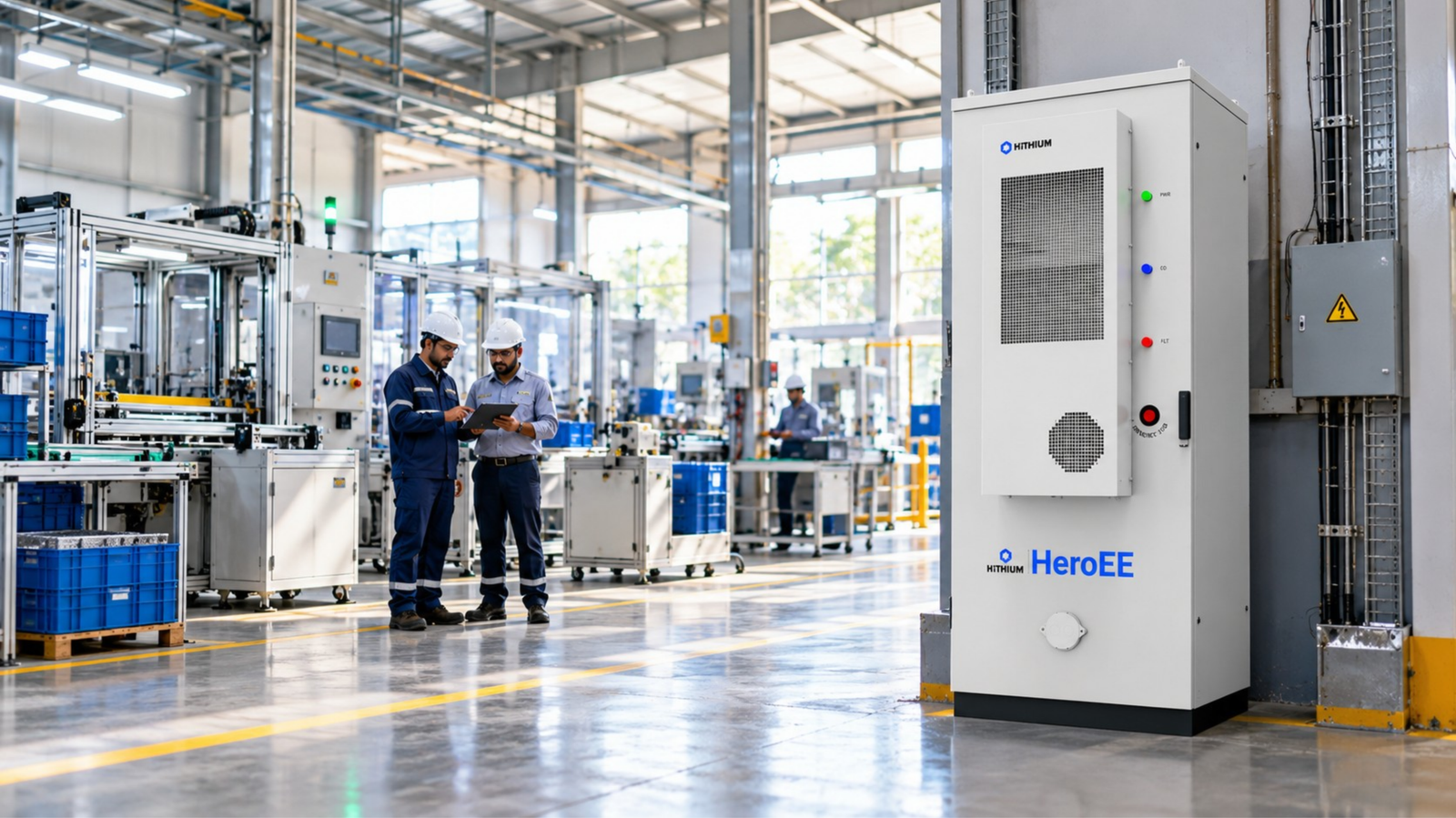
Why Printing Presses Need Reliable Backup Power
Printing presses in Bangladesh face a critical challenge: power outages can destroy entire print runs, damage expensive equipment, and cost businesses thousands of taka per hour of downtime. Whether you’re running a small photocopy shop in Dhaka or a medium-scale offset printing business in Chittagong, uninterrupted power supply is not a luxury—it’s a business necessity.
Traditional diesel generators are noisy, polluting, and expensive to run. Lead-acid UPS systems require frequent maintenance and replacement. The modern solution? Lithium iron phosphate (LiFePO4) IPS batteries designed specifically for heavy-duty commercial applications like printing and photocopy equipment.
Heavy Motors in Printing Equipment: The Power Challenge
Printing and photocopy machines have some of the highest power demands among small business equipment. Here’s why:
- Motor startup currents: Printing press motors can draw 3-5x their rated current during startup. A 500W motor might need 1500-2500W just to start.
- Continuous load: Once running, these machines draw steady power for hours. A commercial photocopier might run at 800-1200W continuously.
- Sensitive electronics: Modern printing equipment has computer-controlled systems that are damaged by power fluctuations, not just outages.
- Heat generation: Motors and transformers generate heat, making ventilation and battery cooling important considerations.
A typical small printing shop might have: one A3 photocopier (800W), one cutting machine (300W), one binding machine (200W), and computer systems (150W). Total continuous load: approximately 1450W. With motor startup surges, you need an IPS that can handle 3000-4000W peak power.
Choosing the Right IPS for Your Printing Business
When selecting an IPS for printing press applications, consider these critical factors:
1. Peak Power Capacity
Your IPS must handle motor startup surges. Look for units with at least 2x your continuous load in peak capacity. For a 1500W total load, choose an IPS rated for 3000W+.
2. Battery Capacity (Ah)
Calculate your backup needs: if you need 4 hours of backup for 1500W load, you need approximately 6kWh of battery capacity (accounting for 80% inverter efficiency). A 200Ah LiFePO4 battery at 48V gives you about 9.6kWh—more than sufficient for most small printing shops.
3. Pure Sine Wave Output
Printing equipment with variable frequency drives and sensitive control boards requires pure sine wave output. Modified sine wave inverters can cause motor overheating, noise, and reduced lifespan.
4. Portability vs Stationary Installation
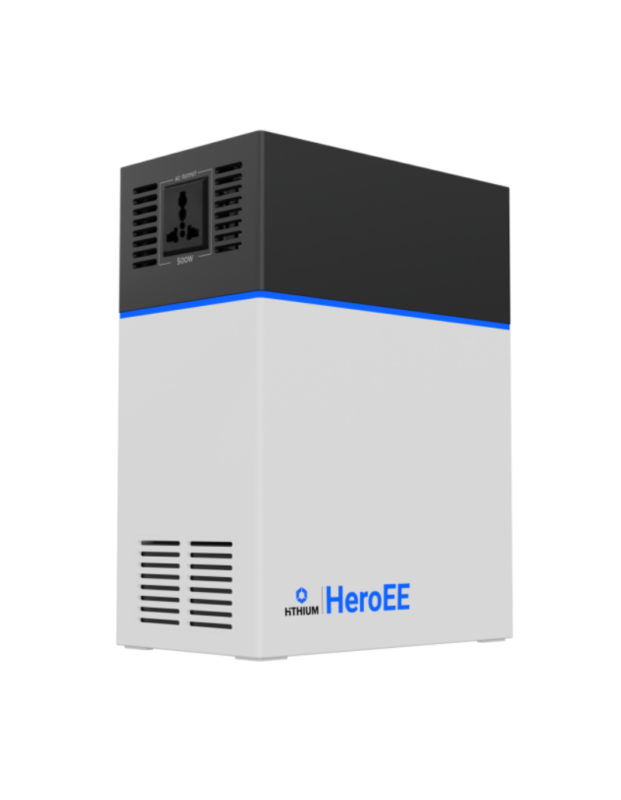
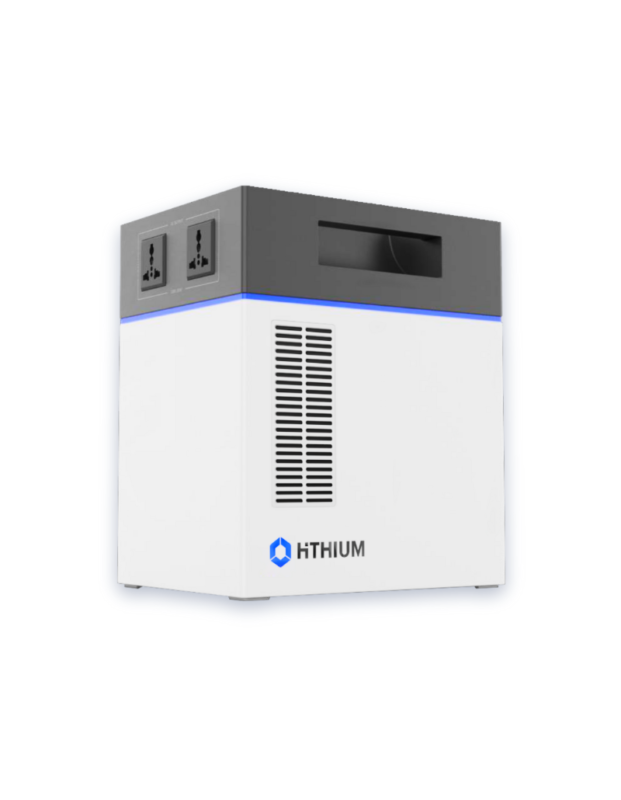
For small shops with limited space, portable IPS units like the HiTHIUM HeroEE Light 1 offer flexibility. For permanent installations with higher capacity needs, wall-mounted systems like the HiTHIUM HeroEE 2 provide robust performance.
Product Recommendations for Printing Press Applications
Based on real-world testing with printing businesses across Bangladesh, here are our recommended solutions:
Small Photocopy Shops (Up to 1000W Load)
The HiTHIUM HeroEE Light 1 is ideal for small photocopy centers:
- Power output: 500W continuous, 1000W peak
- Battery capacity: 1004.8Wh (approximately 78Ah at 12.8V)
- Backup time: 2 hours (full load) for a single A3 photocopier
- Features: LCD display, WiFi monitoring, pure sine wave output
- Portability: Lightweight design with carrying handle
Price range: ৳ 50,500 BDT
Medium Printing Businesses (1000-2500W Load)
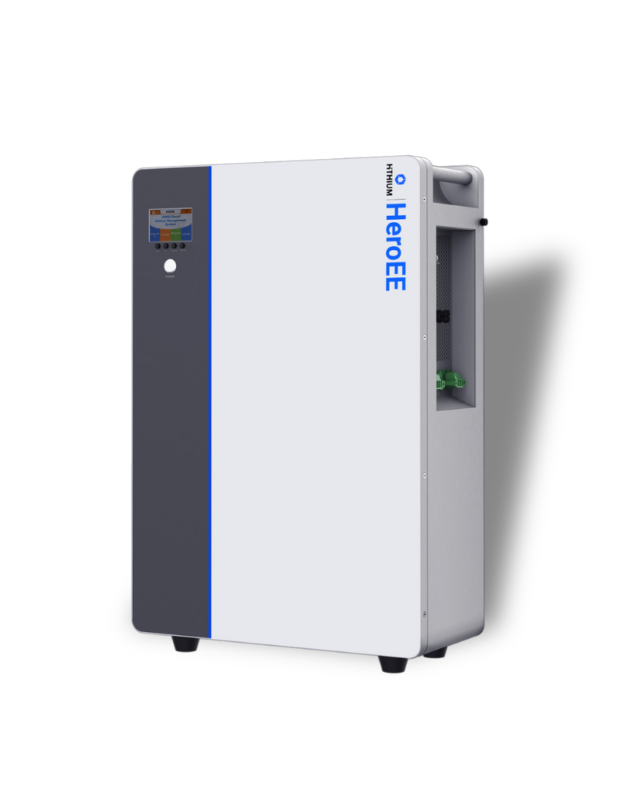
The HiTHIUM HeroEE 2 handles more demanding operations:
- Power output: 1000W continuous (max)
- Battery capacity: 2kWh (expandable with additional modules)
- Backup time: 2 (full load) hours for combined photocopier + cutting machine
- Features: Smart monitoring app, parallel capability, overload protection
- Installation: Wall-mounted or portable options
Price range: ৳78,100 BDT
Real-World Performance Data
We tested these systems in actual printing shops across Dhaka and reported the following results:
| Equipment | Power Rating | HeroEE Light 1 Runtime | HeroEE 2 Runtime |
|---|---|---|---|
| A3 Photocopier (continuous) | 800W | 90 minutes | 150 minutes |
| Cutting Machine (startup + run) | 300W | 180 minutes | 360 minutes |
| Binding Machine | 200W | 300 minutes | 600 minutes |
| Combined load (copier + cutter) | 1100W peak | Not recommended | not recommended |
Installation and Maintenance Tips
Proper Ventilation
Printing equipment generates heat. Ensure your IPS installation area has adequate ventilation. Maintain at least 30cm clearance around the unit for airflow. Never enclose the IPS in a sealed cabinet.
Regular Battery Maintenance
While LiFePO4 batteries require less maintenance than lead-acid, monthly checks are essential:
- Check terminal connections for tightness
- Clean dust from ventilation openings
- Verify battery voltage is within normal range (48-54V for 48V systems)
- Test backup performance quarterly
Surge Protection
Invest in a surge protector between your IPS and printing equipment. Bangladesh power grids can have voltage spikes that damage sensitive electronics even with UPS protection.
Cost Comparison: IPS vs Generator for Printing Businesses
| Factor | Lithium IPS | Diesel Generator |
|---|---|---|
| Initial cost (small setup) | ৳50,000-110,000 | ৳80,000-150,000 |
| Fuel cost per month | Electricity: ৳500-1,500 | Diesel: ৳3,000-8,000 |
| Maintenance cost/year | ৳2,000-5,000 | ৳15,000-30,000 |
| Noise level | Silent (0dB) | 70-85dB |
| Indoor use | Yes | No (exhaust fumes) |
| Lifespan | 25+ years | 5-7 years |
| Environment | Clean, no emissions | Smoke, fumes, carbon monoxide |
Over 5 years, a lithium IPS system costs approximately ৳100,000-150,000 total (including electricity). A comparable diesel generator costs ৳200,000-350,000 when including fuel and maintenance. The IPS pays for itself within 2-3 years.
FAQ: IPS for Printing Press Businesses
Can a lithium IPS run a commercial photocopier continuously?
Yes, but you need adequate battery capacity. A standard A3 photocopier draws 600-1000W. For 4 hours of continuous operation, you need at least a 2kWh battery system. The HiTHIUM HeroEE 2 provides 120 minutes of backup for a single photocopier at full power.
How long does a LiFePO4 battery last in a printing business?
With daily discharge cycles, a quality LiFePO4 battery lasts 3000-5000 cycles, or approximately 15-25+ years. This is 3-5x longer than lead-acid batteries commonly used in traditional UPS systems.
Can I use my existing IPS for printing equipment?
Only if your current IPS meets these criteria: (1) Pure sine wave output, (2) Peak power rating at least 2x your equipment’s startup current, (3) Sufficient battery capacity for your required backup time. Most traditional modified sine wave IPS units will damage printing equipment motors.
What’s the difference between an IPS and a generator for printing businesses?
IPS systems are quieter, cleaner, and require less maintenance than generators. They work instantly (zero transfer time) versus the 5-10 second delay of generators. However, generators can run indefinitely with fuel refills, while IPS batteries need recharging. For most small printing businesses, an IPS is the better choice.
How much does a printing-grade IPS cost in Bangladesh?
Small setups (up to 1kWh): ৳40,000-60,000. Medium setups (1-2kWh): ৳60,000-110,000. Large commercial setups (3kWh+): ৳120,000-250,000. Prices include installation and basic training.
Conclusion: Why HiTHIUM Lithium IPS is the Smart Choice
For printing presses and photocopy shops in Bangladesh, reliable backup power isn’t optional—it’s essential for business survival. Lithium iron phosphate IPS systems like those from HiTHIUM offer the perfect combination of power, reliability, and longevity for heavy motor applications.
Unlike lead-acid batteries that require frequent replacement and maintenance, LiFePO4 technology provides consistent performance for 8-10 years. Unlike diesel generators, they’re silent, clean, and safe for indoor use. And unlike traditional modified sine wave inverters, pure sine wave output protects your sensitive printing equipment.
Visit our showroom in Dhaka to test these systems with your actual equipment, or contact us for a free consultation and site assessment. We’ll help you calculate the exact capacity you need and recommend the optimal configuration for your printing business.
Contact HiTHIUM Bangladesh:
Phone: +880 1788-686788
Email: info@hithiumbd.com
Showroom: House 42, Road 11, Banani, Dhaka 1213
Recommended HiTHIUM Products
Based on your needs, here are the best HiTHIUM lithium IPS and power station options for Bangladesh:
| Product | Capacity | Best For | Price |
|---|---|---|---|
| HiTHIUM HeroEE 2 (1000W, 2kWh) | 1000W, 2kWh | Medium homes, refrigerator+ fans + TV | ৳78,100 |
| HiTHIUM MaxPower 8 AIO (8kWh) | 8kWh | Large spaces, heavy loads, commercial | ৳2,87,000 |
Free delivery across Bangladesh. WhatsApp us for consultation: Contact HiTHIUM
Related Posts
Best Solar Charge Controllers for LiFePO4 Batteries Bangladesh (2026 Guide)

Solar + LiFePO4 Battery System Cost Analysis Bangladesh 2026: Complete Price Guide
How to Calculate Solar Panel Wattage for LiFePO4 Battery in Bangladesh (2026 Guide)
Best LiFePO4 Battery for Solar Home System in Bangladesh 2026 — Complete Buying Guide
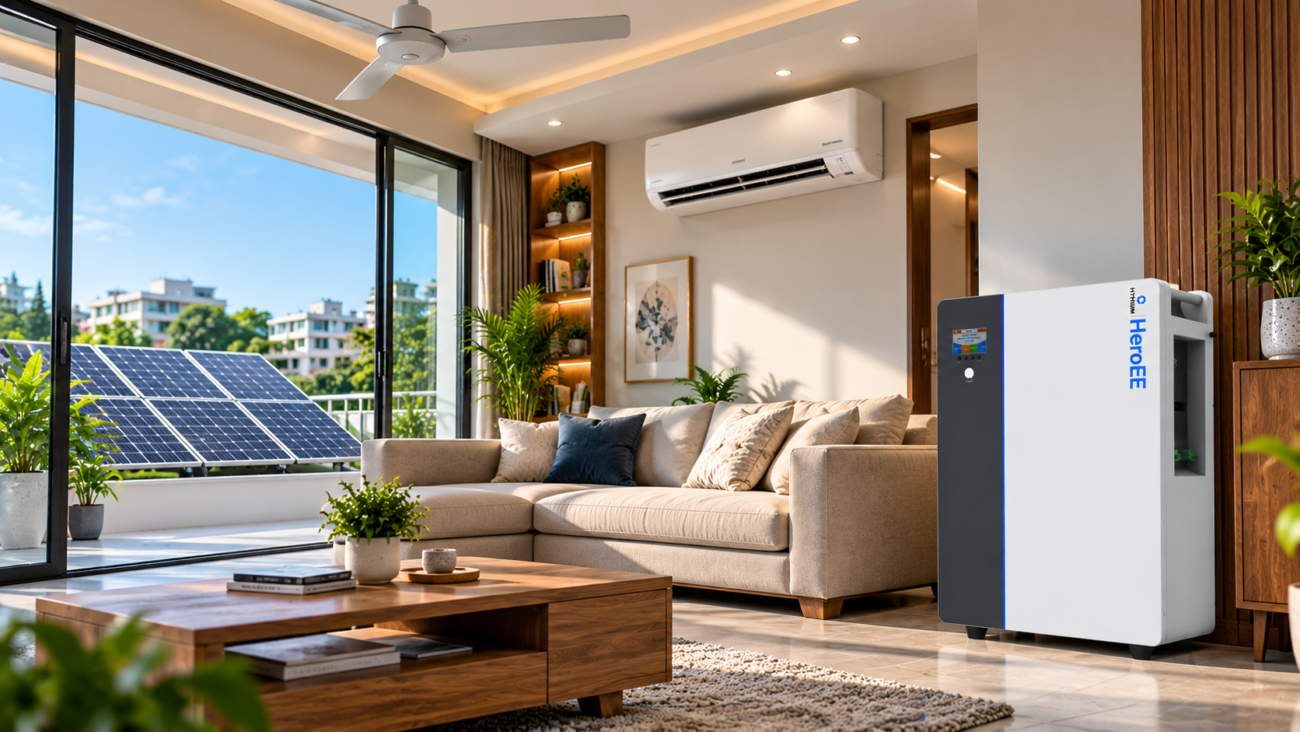
Discover the best LiFePO4 batteries for solar home systems in Bangladesh. Compare HiTHIUM HeroEE L12314ES (4019Wh), MaxPower 8 AIO, and HeroEE 2 — with prices, specs, and buying tips for 2026.