

Blog
Best Solar Charge Controllers for LiFePO4 Batteries Bangladesh (2026 Guide)

When investing in a LiFePO4 battery system for your home in Bangladesh, one of the most critical components is the solar charge controller. It regulates how solar panel energy flows into your battery — and getting it wrong can mean wasted solar energy, shortened battery life, or even safety hazards. This guide covers everything Bangladeshi homeowners need to know about charge controllers for lithium batteries in 2026.
Why Charge Controllers Matter for LiFePO4 Batteries
Lithium Iron Phosphate (LiFePO4) batteries are far more sensitive to voltage fluctuations than older lead-acid technology. Without a proper charge controller, your battery could be overcharged during peak sun hours or undercharged on cloudy days — both conditions degrade capacity over time. A quality charge controller ensures your 3.2V nominal-cell battery stays within the tight 14.2-14.6V full-charge window that LiFePO4 demands.
In Bangladesh, where grid electricity costs continue climbing and load-shedding remains unpredictable, a well-matched charge controller can be the difference between a system that lasts 10+ years and one that struggles after two.
MPPT vs. PWM: Which Charge Controller Type Is Right for You?
MPPT (Maximum Power Point Tracking)
MPPT controllers are the gold standard for LiFePO4 systems. They use sophisticated algorithms to continuously track the solar panel’s maximum power point and convert excess voltage into additional current — delivering up to 30% more charging energy compared to PWM, especially in Bangladesh’s hot climate where panel voltages run higher.
- Higher efficiency (95-98%)
- Can handle higher panel voltages than battery voltage
- Better performance in partial shade and cloudy conditions
- Essential for systems larger than 200W
PWM (Pulse Width Modulation)
PWM controllers are simpler and cheaper but significantly less efficient. They essentially connect the panel directly to the battery, causing voltage drop-off. For small, budget portable setups they work acceptably — but for any home LiFePO4 system, PWM leaves money and energy on the table.
Modern Solution: Built-in MPPT Charge Controllers
The good news for Bangladeshi consumers is that most modern all-in-one LiFePO4 systems come with a high-quality MPPT charge controller built in. This eliminates the complexity of matching separate components and ensures factory-tuned performance between the controller, battery, and inverter. Here are the top options available at HiTHIUM BD:
1. HiTHIUM MaxPower 8 AIO – 9kW MPPT All-in-One System
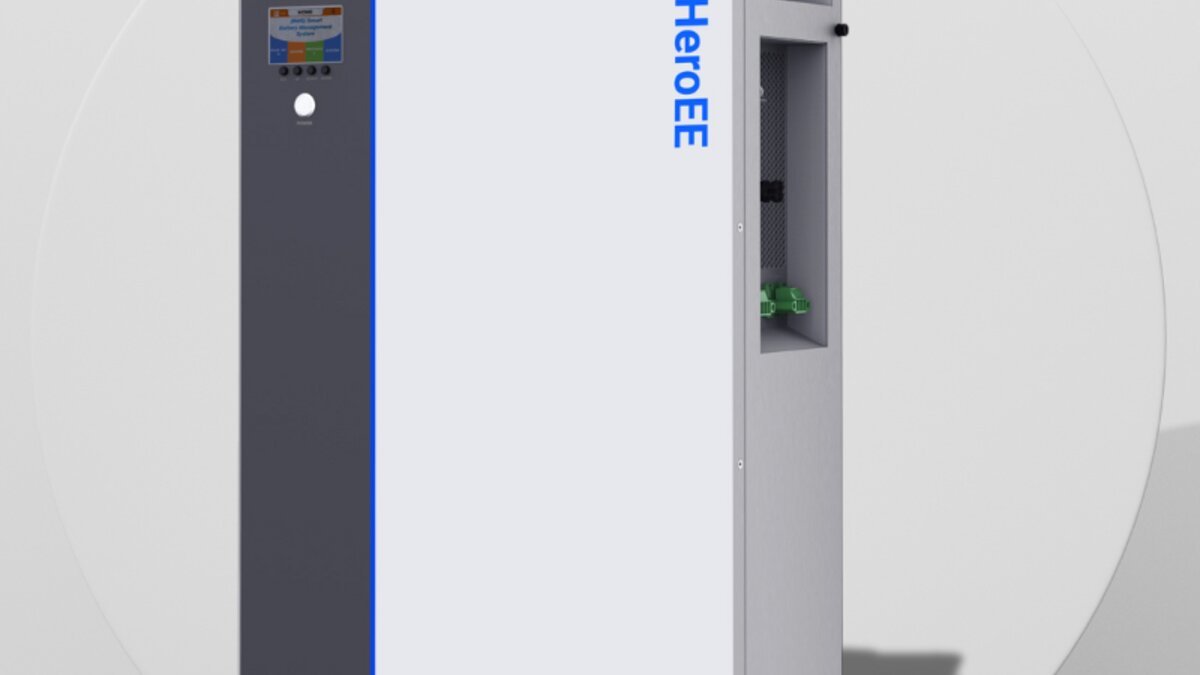
The HiTHIUM MaxPower 8 AIO is the flagship home energy storage system from HiTHIUM Bangladesh. It integrates a 9,000W MPPT solar charge controller, a 5kW pure sine wave inverter, and a 314Ah (8,038.4Wh) LiFePO4 battery – all in a single compact unit.
Key Specifications
| Specification | Details |
|---|---|
| Solar Charge Controller | 9,000W MPPT (built-in) |
| Max PV Input | 9,000W |
| Battery Capacity | 8,038.4Wh (314Ah @ 25.6V) |
| Battery Type | LiFePO4 (Lithium Iron Phosphate) |
| Cycle Life | 11,000 cycles |
| Output | 5,000W continuous (pure sine wave) |
| Charging Sources | Solar + Grid + Generator |
| Transfer Time | 10ms (UPS mode) |
| Price in Bangladesh | 287,000 Taka |
The 9kW MPPT controller supports 180% PV panel oversizing – meaning you can connect up to 16,200W of solar panels to maximize energy harvest during Bangladesh’s peak sunlight months (March-June), while the controller safely manages the input. This is far beyond what basic PWM controllers can handle.
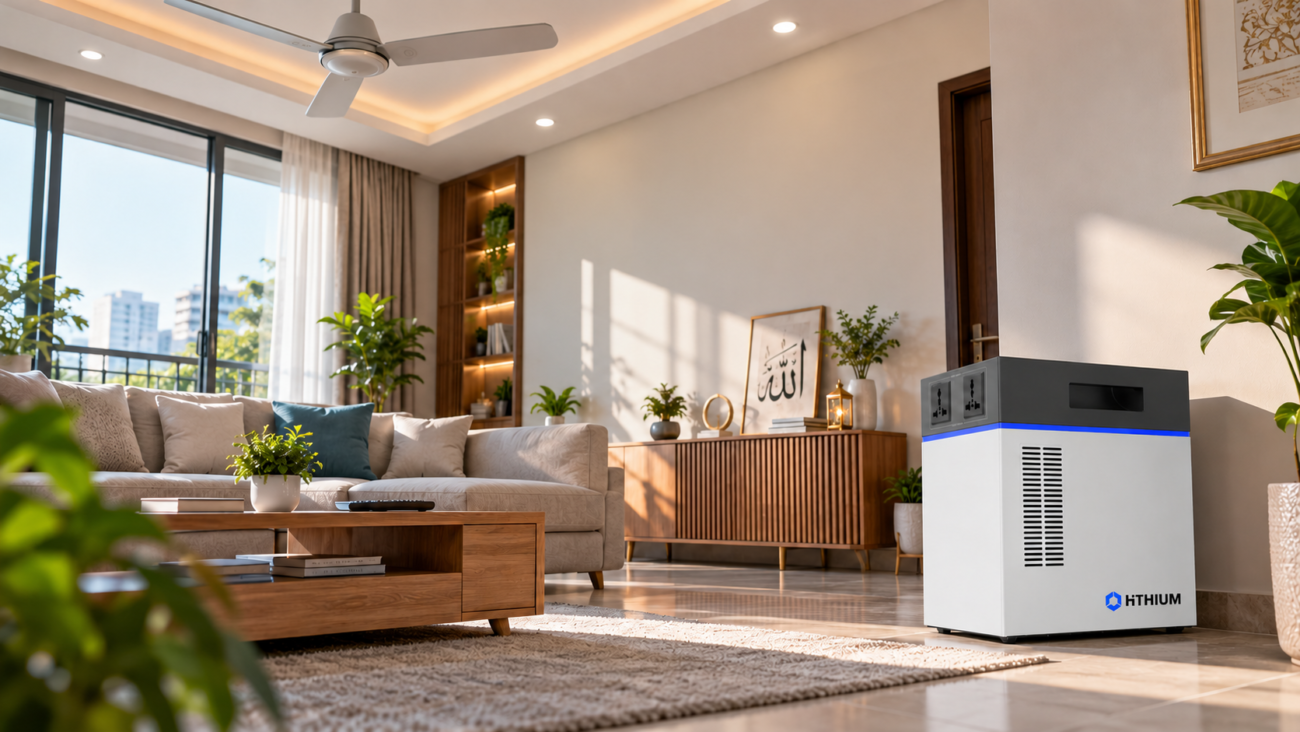
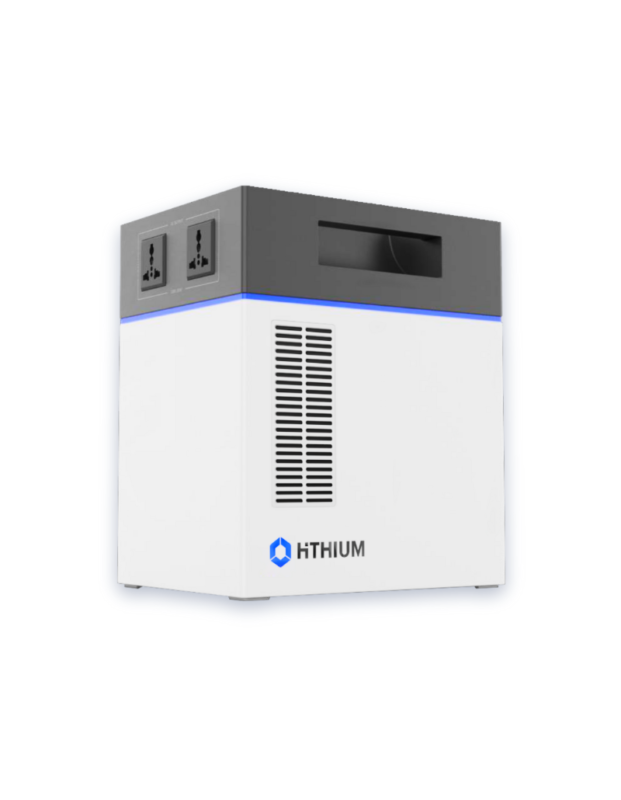
2. HiTHIUM HeroEE Light 1 – Portable IPS with Built-in MPPT
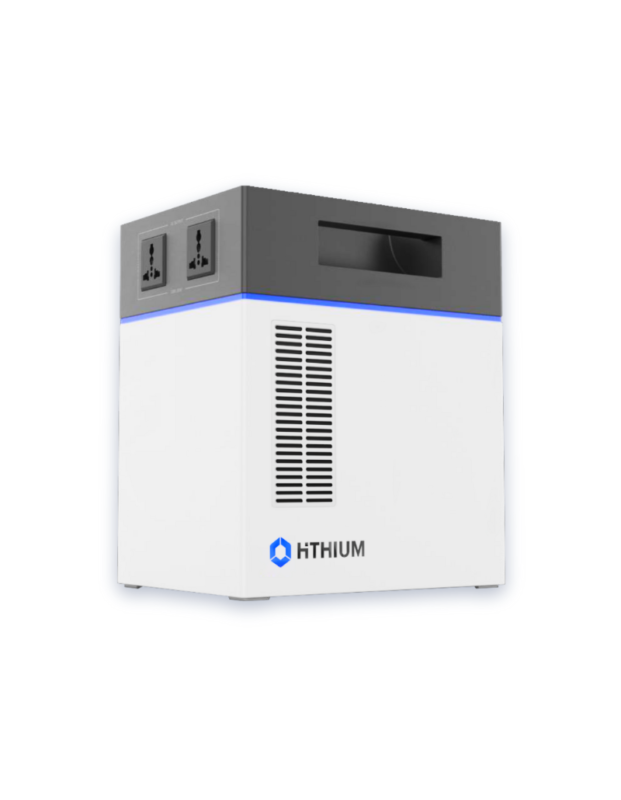
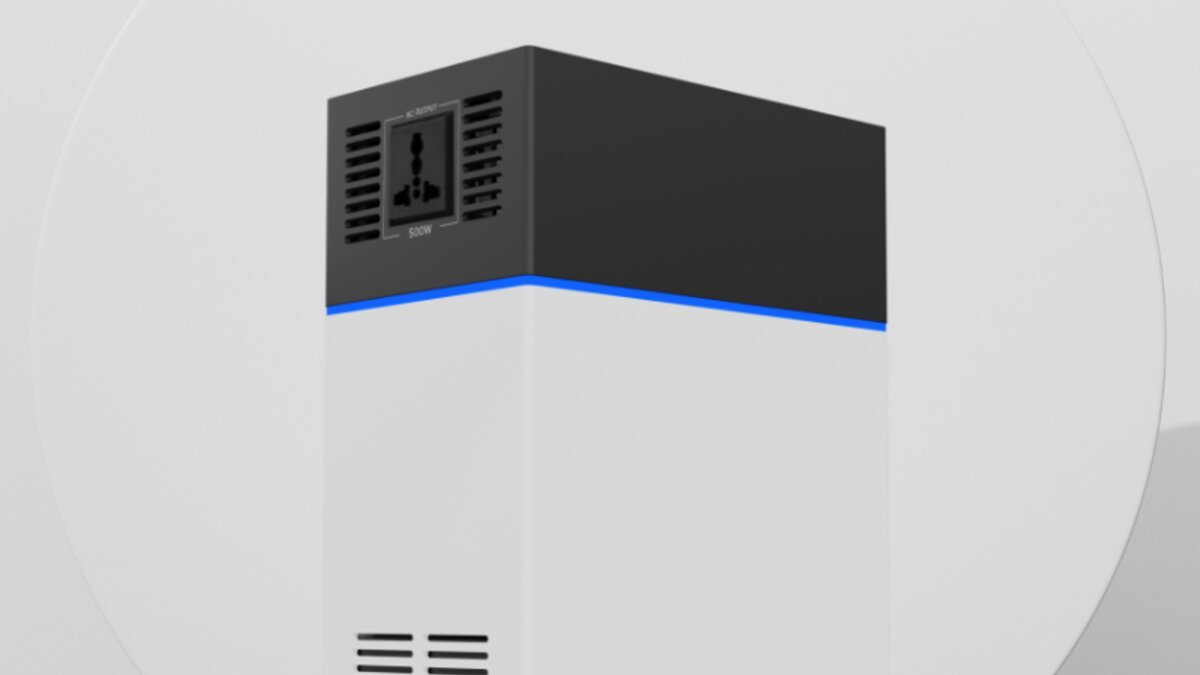
For homeowners and businesses looking for a portable, plug-and-play solution, the HiTHIUM HeroEE Light 1 integrates a high-efficiency MPPT charge controller inside a compact 1,004.8Wh portable unit.
Key Specifications
| Specification | Details |
|---|---|
| Battery Capacity | 1,004.8Wh (12.8V) |
| Battery Type | LiFePO4 |
| Output | 500W continuous (pure sine wave) |
| Cycle Life | 11,000 cycles |
| Solar Input | Built-in MPPT charge controller |
| Portability | Lightweight, handle-designed |
| Price in Bangladesh | 50,800 Taka |
The HeroEE Light 1 is ideal for small homes, apartments, or as a backup for essential appliances. Its built-in MPPT controller efficiently charges from any standard solar panel (sold separately or bundled with the HiTHIUM HC200 200W portable solar panel at 24,500 Taka).
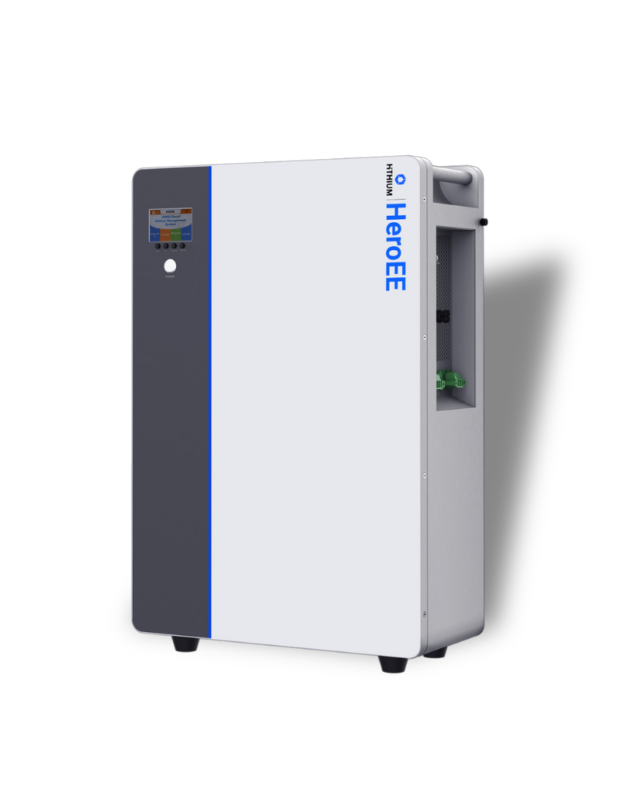
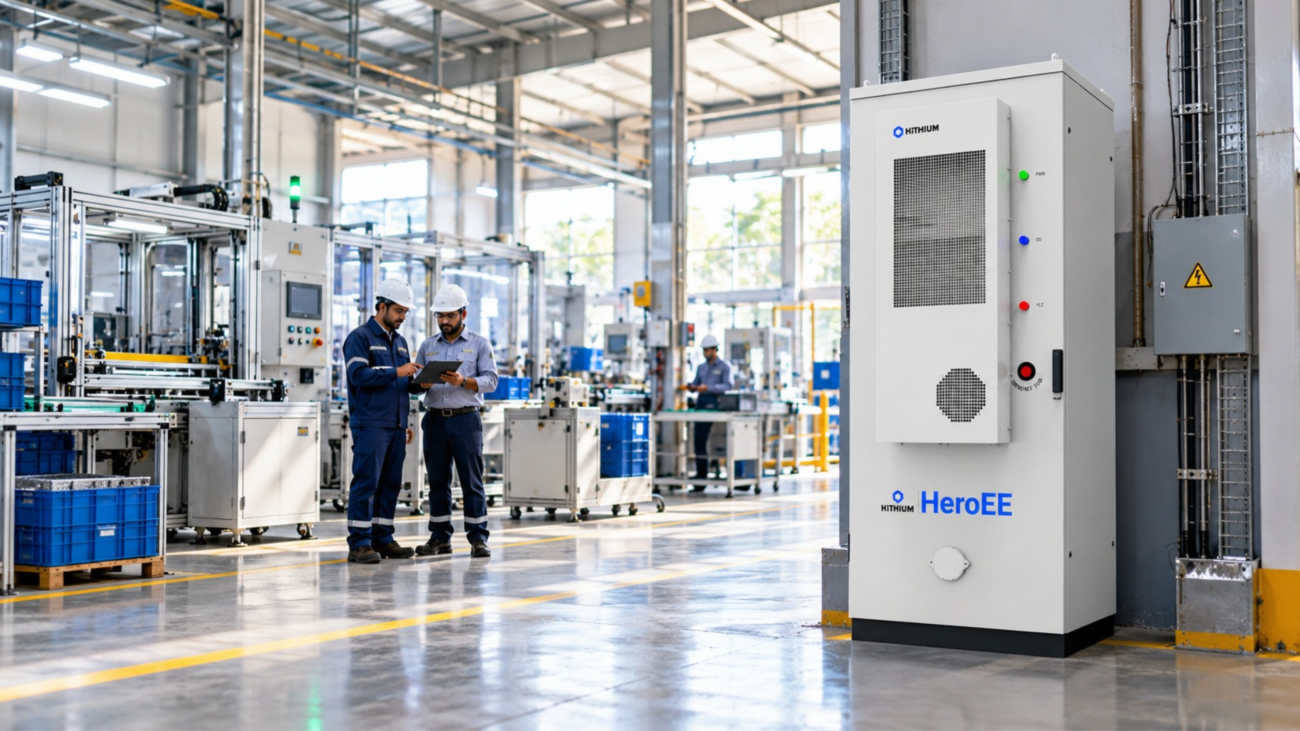
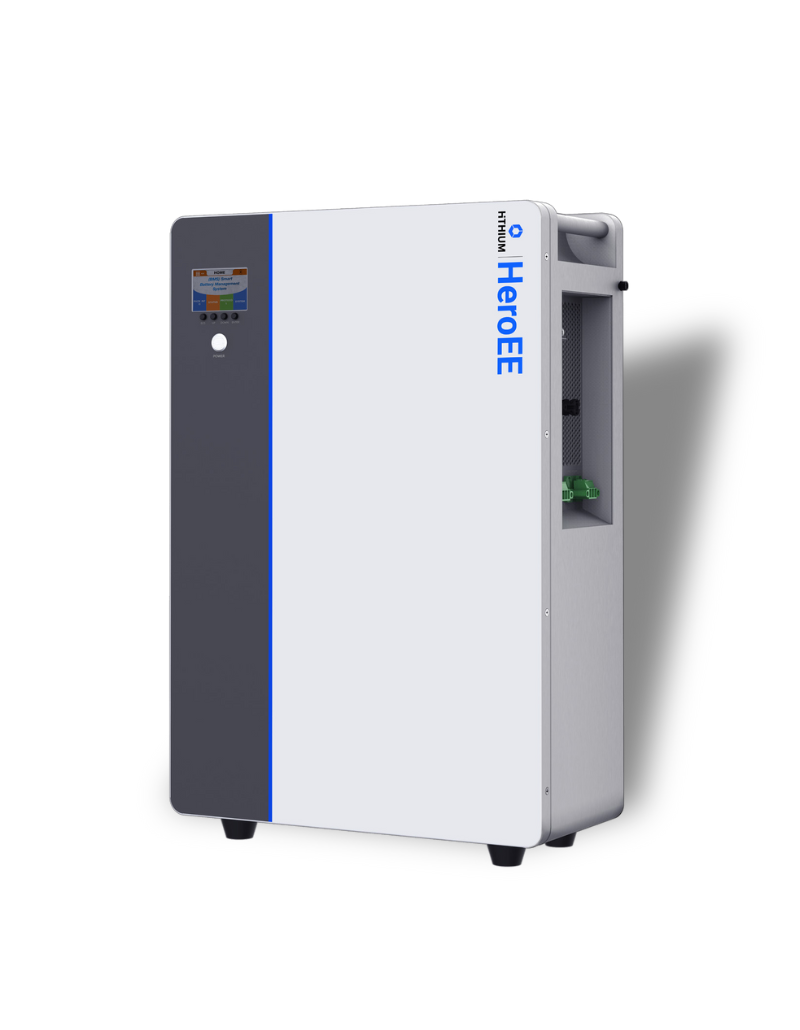
3. HiTHIUM HeroEE 2 – 2kWh All-in-One with MPPT
The HiTHIUM HeroEE 2 offers a middle-ground option with a 2kWh LiFePO4 battery and integrated MPPT charge controller, perfect for medium-sized homes that need more backup capacity than the Light 1 but don’t require the full residential scale of the MaxPower 8.
Key Specifications
| Specification | Details |
|---|---|
| Battery Capacity | ~2,000Wh (2kWh) |
| Battery Type | LiFePO4 |
| Cycle Life | 11,000 cycles |
| Solar Charging | Built-in MPPT controller |
| Price in Bangladesh | 78,100 Taka |
How to Match Your Solar Panel to the Charge Controller
One of the most common mistakes Bangladeshi buyers make is pairing a small charge controller with oversized panels, or vice versa. Here’s a quick matching guide:
| Your System | Recommended Panel Wattage | Built-in MPPT Rating |
|---|---|---|
| HeroEE Light 1 (500W inverter) | 300W solar panel | Optimized for 200-400W input |
| HeroEE 2 (2kWh) | 450W solar panel | Integrated MPPT |
| MaxPower 8 AIO (5kW inverter, 9kW MPPT) | 4,000-16,000W (180% oversizing) | 9,000W MPPT input |
For the MaxPower 8 AIO specifically, Bangladesh’s 5-6 peak sun hours per day means a 6kW panel array can theoretically deliver 30-36kWh of solar energy daily – easily filling the 4kWh battery in a single day and still powering your home simultaneously.
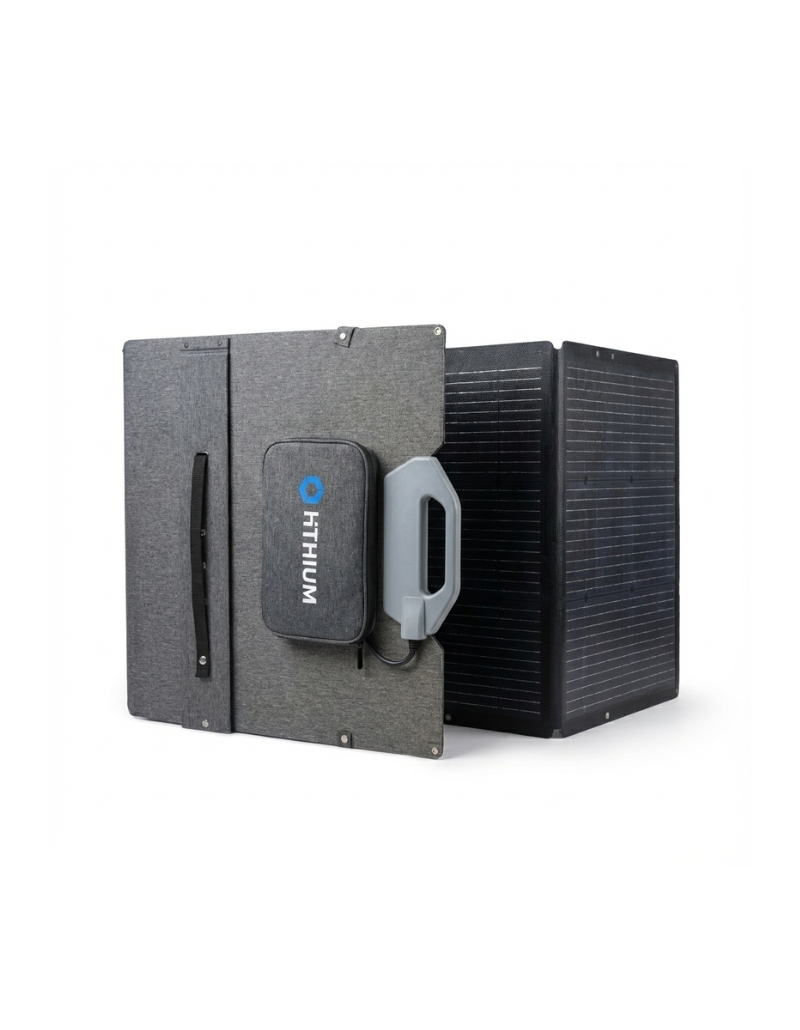
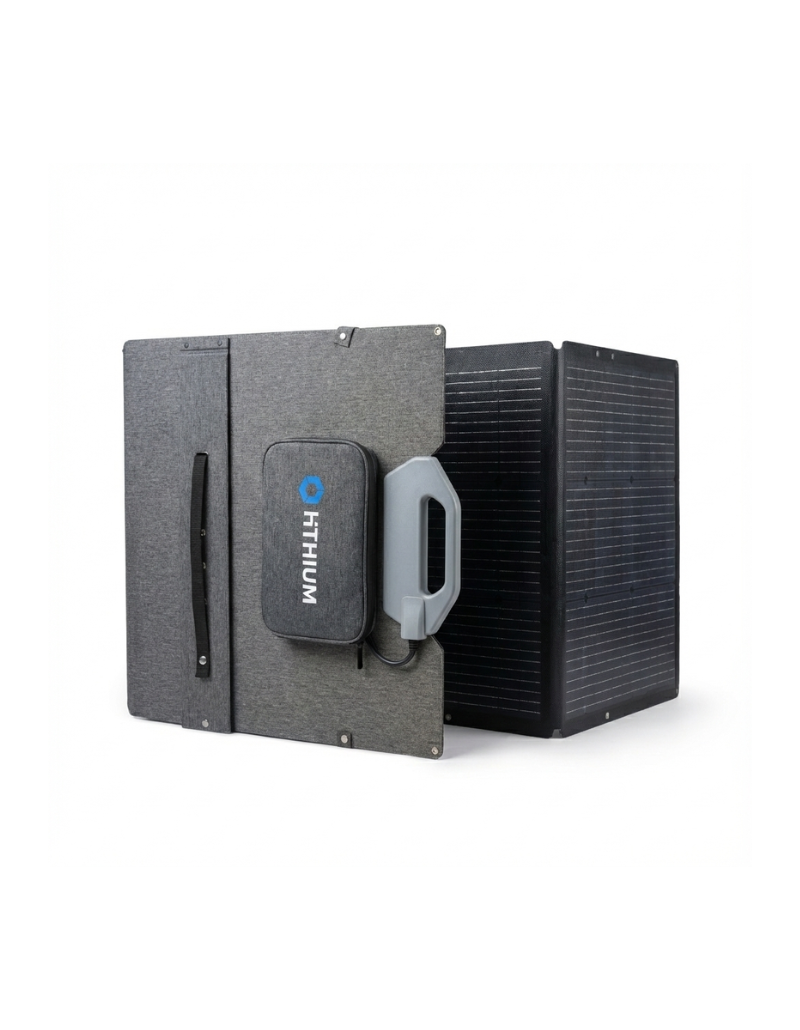
Solar Panel Recommendation: HiTHIUM HC200 200W
The HiTHIUM HC200 200W Portable Foldable Solar Panel is an excellent companion for the HeroEE Light 1 and HeroEE 2. Key specs:
- Efficiency: Up to 23.4% monocrystalline cells
- Weight: Ultra-lightweight, foldable design
- Weather Resistance: IP67-rated ETFE lamination
- Connector: Standard MC4 for easy panel chaining
- Operating Temp: -10°C to +65°C
- Price: 24,500 Taka
Installation Tips for Bangladeshi Homes
- Position panels south-facing (true south, not magnetic) at a 15-25° tilt angle for optimal year-round performance in Bangladesh’s latitude.
- Avoid shade – even partial shade on one panel cell can significantly reduce output. Use the MaxPower 8’s 180% oversizing buffer to compensate for minor shading losses.
- Use copper wiring – ensure your panel-to-controller wiring is at least 6mm² for runs over 10 meters to minimize voltage drop.
- Mount controllers with ventilation – while built-in controllers are sealed, ensure the unit has airflow. Bangladesh’s 35-40°C summer temperatures demand proper heat dissipation.
- Ground your system – lightning and voltage spikes are common during monsoon season. Proper grounding protects both your battery and controller.
Frequently Asked Questions
Do I need a separate charge controller with my LiFePO4 battery?
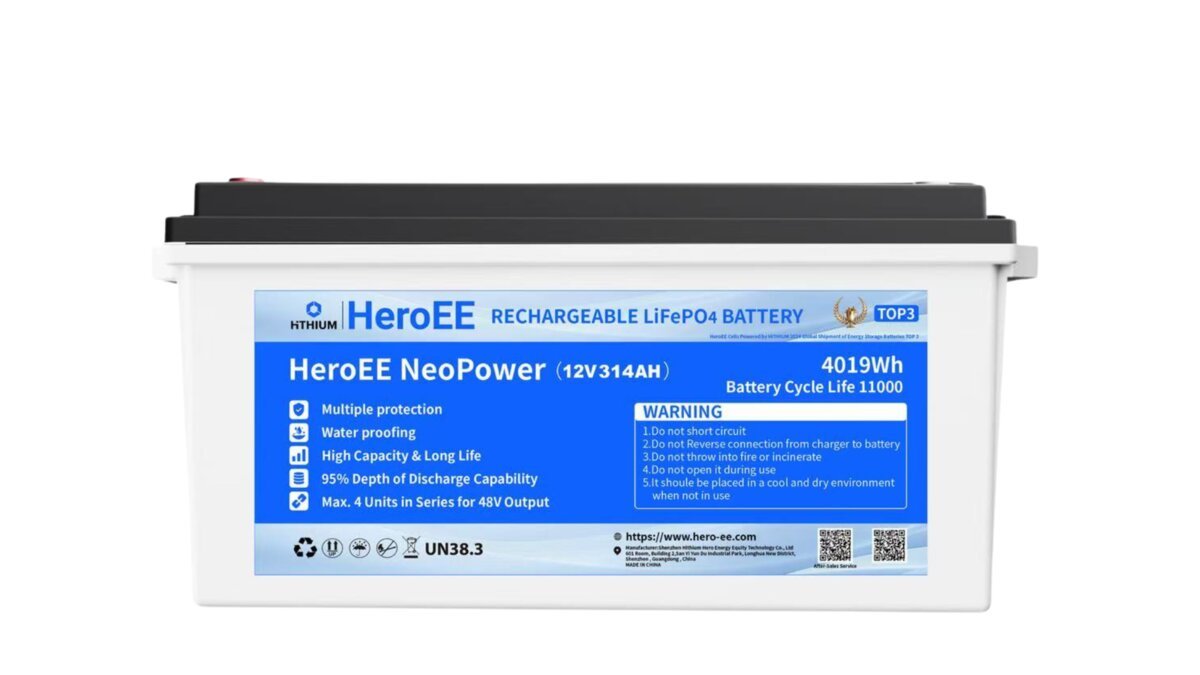
If you’re buying an all-in-one system like the HiTHIUM MaxPower 8 AIO, HeroEE Light 1, or HeroEE 2, the MPPT charge controller is already built in – no separate purchase needed. If you’re building a custom system with a bare battery like the HiTHIUM HeroEE 4 4019Wh battery, you’ll need a separate MPPT controller rated for your panel array.
Can I use a PWM controller with LiFePO4 batteries?
Technically yes, but it’s not recommended. PWM controllers cannot maintain the precise voltage profile that LiFePO4 requires, leading to incomplete charging and reduced battery lifespan. For a system costing 50,000-300,000 Taka+, investing in MPPT is essential.
How many solar panels can I connect to the MaxPower 8 AIO?
The MaxPower 8 AIO’s 9kW MPPT controller supports up to 16,200W of solar panels (180% oversizing). In practice, most Bangladeshi homes pair it with 4-8kW of panels, which is more than enough to fully charge the 4kWh battery daily and power the home simultaneously.
What MPPT controller should I choose for a 200Ah LiFePO4 battery?
A 200Ah @ 12.8V LiFePO4 battery (2,560Wh) pairs best with a minimum 60A MPPT controller (≈800W at 12V, or 1,200W at 24V). For faster charging in Bangladesh’s sunny months, consider a 80-100A unit. The MaxPower 8’s built-in 9kW MPPT (≈700A at 12.8V equivalent) vastly exceeds this requirement.
Is the MPPT controller in HiTHIUM systems programmable?
HiTHIUM’s built-in controllers feature smart LCD monitoring and automatic charge-stage management. They adjust charging parameters based on temperature and battery state-of-charge – no manual programming required. This plug-and-play approach is ideal for Bangladeshi homeowners who want reliability without technical complexity.
Conclusion: Choose a System with Quality Built-in MPPT
In 2026, the trend in Bangladesh is clear: buy an all-in-one LiFePO4 system with a high-quality built-in MPPT charge controller rather than piecing together separate components. Systems like the HiTHIUM MaxPower 8 AIO (287,000 Taka), HeroEE Light 1 (50,800 Taka), and HeroEE 2 (78,100 Taka) offer factory-optimized MPPT integration, 11,000 cycle battery life, and full warranty support from HiTHIUM Bangladesh.
Pair any of these with the HiTHIUM HC200 200W solar panel (24,500 Taka) for a complete, efficient solar charging solution that handles Bangladesh’s climate and energy needs.
Ready to upgrade your home energy system? Browse all HiTHIUM products at hithiumbd.com.