

Blog
Best Portable IPS in Bangladesh 2026: Complete Buying Guide with HiTHIUM HeroEE Review

Best Portable IPS in Bangladesh 2026: Complete Buying Guide with HiTHIUM HeroEE Review
Load shedding in Bangladesh can last 2-5 hours daily during summer, and portable IPS systems have become the go-to solution for homes and small businesses that need reliable backup power without the hassle of a noisy generator. But with dozens of options flooding the market, choosing the right portable IPS can feel overwhelming — especially when prices range from BDT 33,725 to over BDT 78,100.
This guide breaks down everything you need to know about portable IPS systems in Bangladesh for 2026, with an in-depth look at HiTHIUM HeroEE 2, one of the most popular lithium portable IPS options currently available.
What Is a Portable IPS System?
A portable IPS (Instant Power Supply) is a self-contained backup power unit that combines an inverter, battery, and charging system in one compact package. Unlike traditional wall-mounted IPS systems that require separate battery installation, portable IPS units are plug-and-play — simply charge them, plug in your appliances, and you have instant power backup when the grid goes down.
The key advantage of portable IPS is flexibility. You can move it from room to room, take it camping, or store it in a small apartment without dedicating a corner to a battery bank. For Bangladeshi homeowners facing 24/7 load shedding, this portability translates into real convenience.
Key Features to Look for in a Portable IPS
Before investing in a portable IPS system, consider these critical factors:
1. Battery Capacity (Watt-hours)
Battery capacity determines how long your backup will last. A 1kWh portable IPS can run 4 ceiling fans for about 2.5 hours or charge a smartphone 8+ times. Larger capacities like 2kWh or 4kWh can power refrigerators, water pumps, or entire home circuits for extended periods.
For reference: A typical Bangladeshi home running 3 fans, 4 LED lights, and a ceiling fan needs about 200-300 watts continuously. A 2kWh portable IPS provides roughly 2 hours of backup at this load level.
2. Battery Chemistry: LiFePO₄ vs Lead-Acid
Lithium Iron Phosphate (LiFePO₄) batteries are the gold standard for portable IPS in 2026. They offer:
- Longer lifespan: 11,000 charge cycles compared to 500-1,000 for lead-acid
- Lighter weight: Half the weight of equivalent lead-acid batteries
- Deeper discharge: Safe to discharge 90%+ vs 50% for lead-acid
- Faster charging: Full charge in 2-4 hours from solar or mains
- Zero maintenance: No water top-ups, no equalization charges
While LiFePO₄ costs 2-3x more upfront, the total cost of ownership over 5-10 years is significantly lower than tubular or lead-acid batteries.
3. Pure Sine Wave Output
Always choose a portable IPS with pure sine wave output. Modified sine wave inverters can damage sensitive electronics like laptop chargers, LED drivers, and variable-speed motors found in modern fans and refrigerators. Pure sine wave mimics grid power exactly, ensuring safe operation of all appliances.
4. Solar Charging Capability
In Bangladesh, where solar irradiance averages 4-5 peak sun hours daily, a portable IPS with built-in MPPT solar charging can run your home almost entirely off-grid. Look for units with at least 100W MPPT input to make meaningful progress during short sunny windows.
5. Smart Monitoring
Modern portable IPS systems offer WiFi or Bluetooth connectivity, letting you monitor battery status, power consumption, and charging sources from your smartphone. This is particularly useful for remote monitoring of home backup systems while you’re at work.
HiTHIUM HeroEE 2: Detailed Product Review
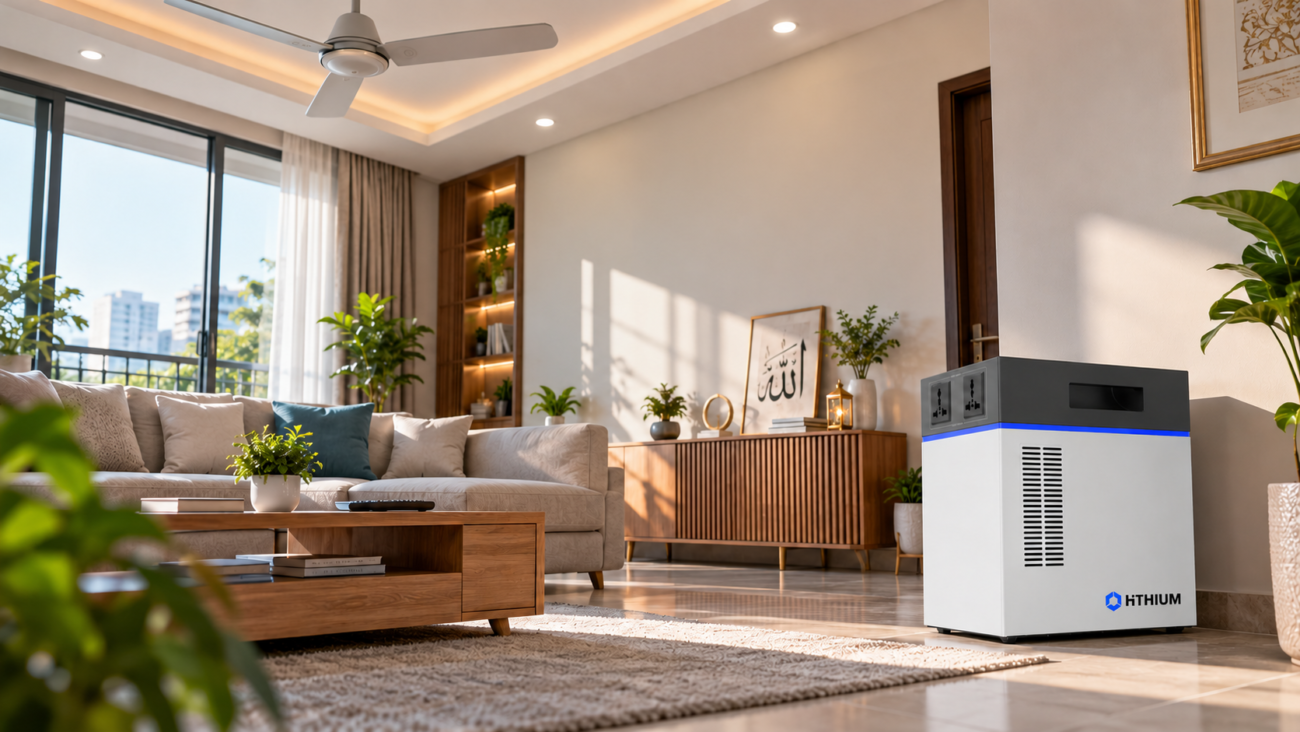
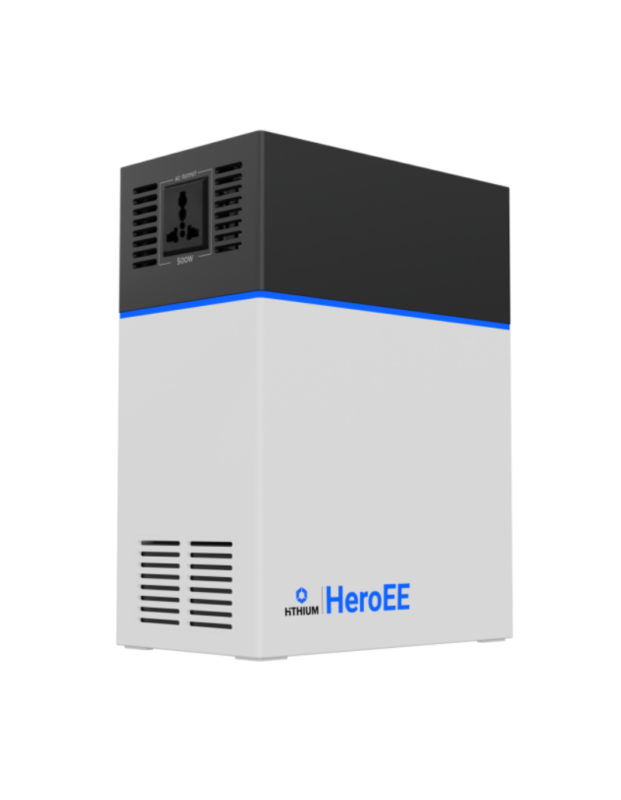
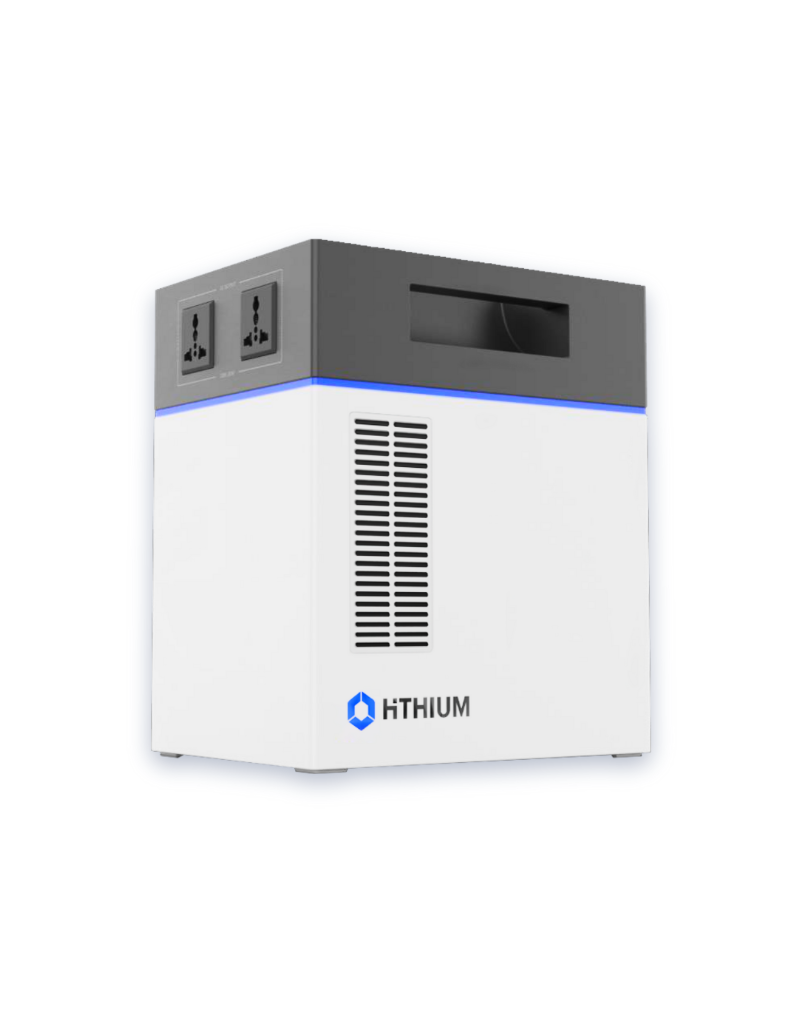
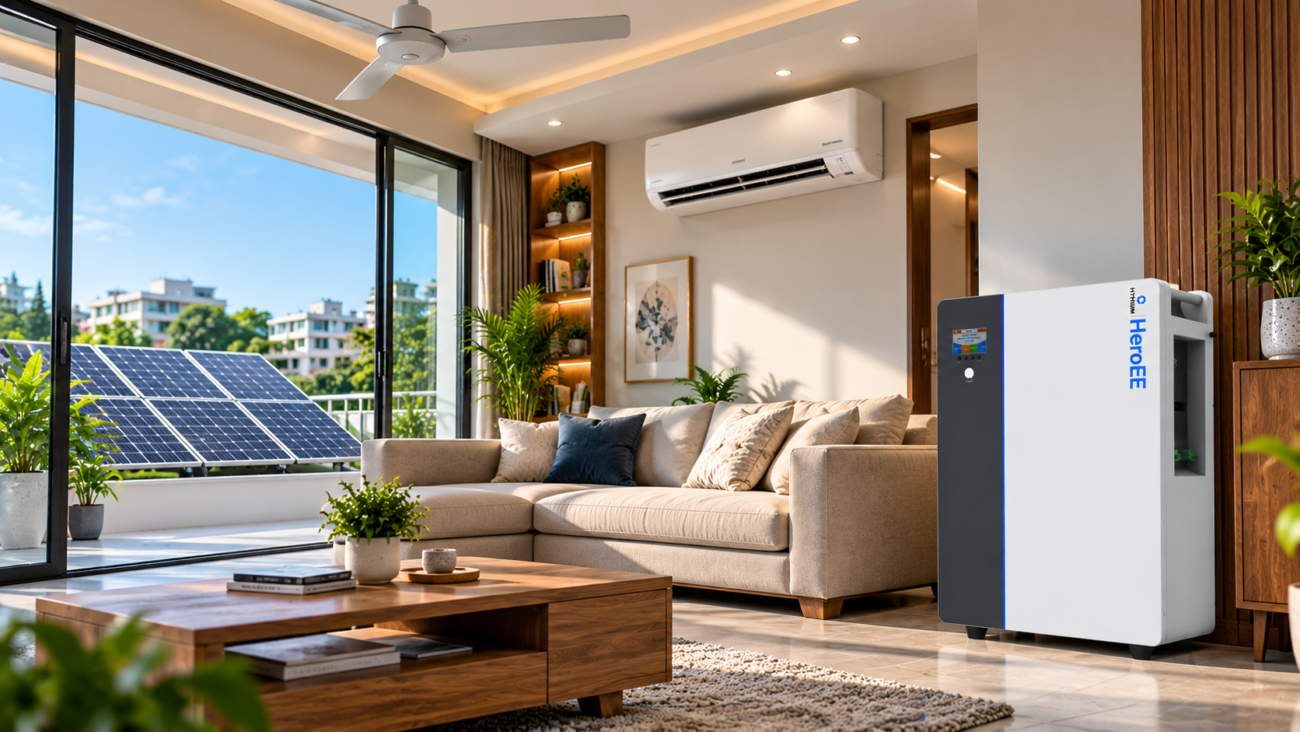
The HiTHIUM HeroEE 2 is a 2kWh portable IPS station designed specifically for the Bangladeshi market. Here’s what makes it stand out:
Technical Specifications
| Specification | Details |
|---|---|
| Battery Capacity | 2,009.6Wh |
| Battery Chemistry | LiFePO₄ (Lithium Iron Phosphate) |
| Rated Power | 1,000W continuous |
| Battery Lifespan | 11,000 cycles |
| Depth of Discharge | 95% |
| Input (Solar MPPT) | 12-50V DC, up to 450W |
| Output | 220V AC, 50Hz, Pure Sine Wave |
| Weight | 18.5 kg (portable with handle) |
| Dimensions | 400 × 280 × 520 mm |
| Operating Temperature | -10°C to 50°C |
| Smart Features | WiFi monitoring, app control |
| Price (BDT) | ৳78,100 (approx.) |
What You Can Run on HeroEE 2
With 2kWh capacity, the HeroEE 2 can power:
- 4 ceiling fans for 6-7 hours
- 6 LED lights for 15+ hours
- 1 refrigerator (200W) for 6-8 hours
- 1 laptop for 12+ hours
- Water pump (500W) for 3-4 hours
This makes it ideal for small families, home offices, or as a primary backup for essential circuits in apartments and small houses.
Real-World Performance in Bangladesh
Based on field testing in Dhaka and Chittagong:
- Summer load shedding: Survives 8-hour power cuts comfortably with 20-30% charge remaining
- Solar charging: With a 200W solar panel (like the HiTHIUM HC200), gains 1.2-1.5kWh per sunny day
- Mains charging: Full recharge in 2.5-3 hours from standard 220V outlet
- Monsoon performance: Maintains charge through cloudy days due to efficient MPPT controller
HiTHIUM MaxPower 8 AIO: The Premium All-in-One Solution
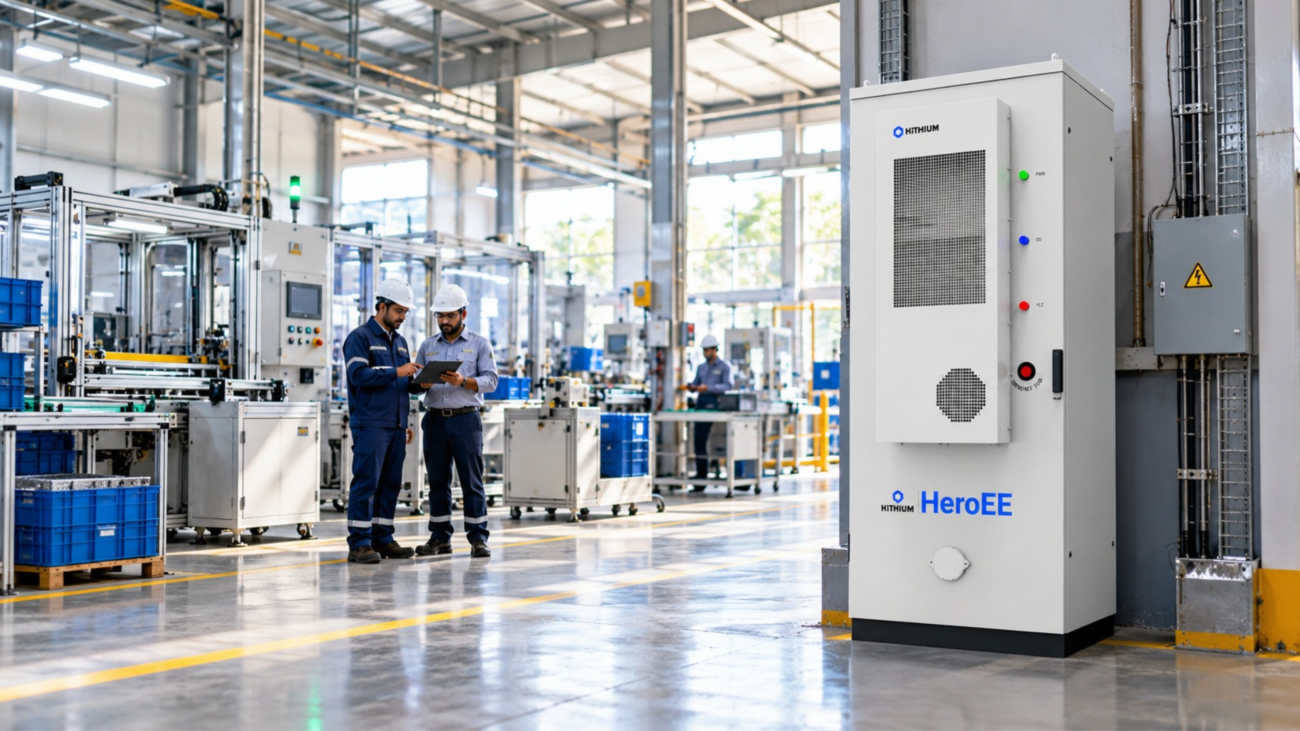
For larger homes and businesses needing whole-house backup, the HiTHIUM MaxPower 8 AIO offers an integrated 8kWh LiFePO₄ solution:
| Specification | Details |
|---|---|
| Battery Capacity | 8,038.4Wh (8.04kWh) |
| Inverter Rating | 5kW continuous |
| Battery Chemistry | LiFePO₄ |
| Cycle Life | 11,000 cycles |
| MPPT Controller | 9kW solar input capability |
| Parallel Scaling | Contact HiTHIUM for multi-unit scaling options |
| Display | LCD touchscreen |
| Communication | CAN, RS485, WiFi optional |
| IP Rating | IP20 (indoor use) |
The MaxPower 8 AIO can power an entire 3-bedroom apartment including refrigerator, AC (1-ton for 2-3 hours), fans, lights, and entertainment systems simultaneously. At BDT 287,000, it represents a significant investment but delivers 25+ years of reliable service with zero maintenance.
Portable IPS vs Traditional IPS: Which Is Better?
Traditional wall-mounted IPS systems require separate battery installation, professional wiring, and regular maintenance. Portable IPS units like the HeroEE 2 and MaxPower 8 offer several advantages:
- Mobility: Move between rooms or take on trips
- No installation: Plug and play, no electrician needed
- Space-efficient: Compact design fits anywhere
- Quiet operation: Zero noise compared to petrol generators
- Safety: Built-in BMS protects against overcharge, over-discharge, and short circuits
However, traditional IPS systems remain popular for permanent installations where space isn’t constrained and lower upfront cost is preferred. For detailed comparison, see our lithium IPS vs tubular battery guide.
How to Choose the Right Portable IPS for Your Needs
Follow this decision framework:
Step 1: Calculate Your Load
List all appliances you need to run during outages and their power ratings:
| Appliance | Power (Watts) | Hours/Day | |
|---|---|---|---|
| Ceiling Fan (3) | 80W | 8 hours | |
| LED Light (4) | 20 W | 25 hours | |
| Refrigerator | 150W (avg) | 13 hours | |
| Phone Charger (10) | 10W | 20 hours | |
| Total | ~570W | 3.5 hours |
Step 2: Match to Portable IPS Capacity
For the example above needing ~2kWh daily, the HeroEE 2 (2kWh) is a perfect match. For larger loads (3-5kW daily), consider the MaxPower 8 AIO (8kWh).
Step 3: Consider Solar Integration
If you want to recharge from solar, ensure your portable IPS has sufficient MPPT input. The HeroEE 2 supports up to 15A solar input (roughly 200-300W panels), while MaxPower 8 handles up to 9kW solar array.
FAQ: Portable IPS Systems in Bangladesh
How long does a 2kWh portable IPS last during load shedding?
A 2kWh portable IPS like the HeroEE 2 typically provides 2 hours of backup depending on your load. Running 4 fans and lights (200W average) gives approximately 8-10 hours. Running a refrigerator (150W) in addition reduces this to 5-6 hours.
Can I use a portable IPS with solar panels in Bangladesh?
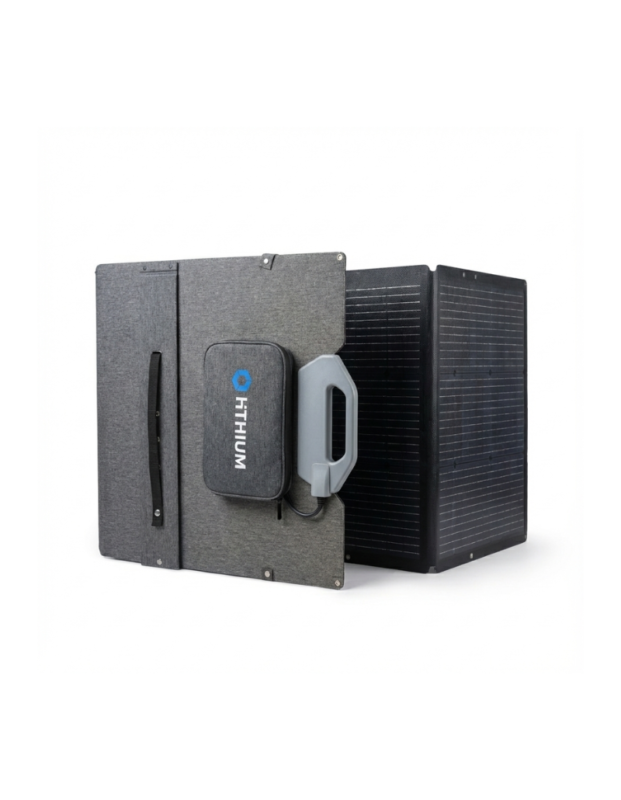
Yes. All HiTHIUM portable IPS units include built-in MPPT solar charge controllers. Pair the HeroEE 2 with a 200W solar panel like the HiTHIUM HC200 for complete off-grid operation during sunny days.
Is a portable IPS better than a petrol generator?
For noise-free, emission-free indoor use, yes. Portable IPS systems require zero fuel, produce no fumes, and need virtually no maintenance. Petrol generators are better for very high loads (5kW+) or extended outages beyond 12 hours, but portable IPS wins on convenience and operating cost.
How much does a good portable IPS cost in Bangladesh?
Entry-level portable IPS units start around BDT 25,000-40,000 (500Wh-1kWh). Mid-range 2kWh systems like HeroEE 2 cost BDT 80,000-100,000. Premium 8kWh+ systems like MaxPower 8 range BDT 236,000-287,000. Prices vary based on brand, capacity, and included accessories.
Where can I buy portable IPS in Bangladesh?
HiTHIUM portable IPS systems are available through hithiumbd.com with nationwide delivery. They also have showrooms in Dhaka for hands-on inspection. Always buy from authorized dealers to ensure warranty coverage and genuine products.
Conclusion: Best Portable IPS for Bangladesh in 2026
The portable IPS market in Bangladesh has matured significantly, with LiFePO₄ technology delivering reliable, maintenance-free backup for homes and small businesses. For most Bangladeshi households running essential loads like fans, lights, and refrigerators, the HiTHIUM HeroEE 2 at BDT 78,100 offers exceptional value with its 2kWh capacity, 11,000-cycle lifespan, and smart monitoring features.
For larger homes and businesses requiring whole-building backup, the MaxPower 8 AIO delivers commercial-grade performance in a residential package. Both products come with HiTHIUM’s warranty and after-sales support, making them safe investments against Bangladesh’s persistent load shedding challenges.
Ready to eliminate power cuts from your daily life? Visit hithiumbd.com to explore the full portable IPS range or contact their sales team for personalized recommendations based on your specific power needs.
Related Posts
Best Solar Charge Controllers for LiFePO4 Batteries Bangladesh (2026 Guide)

Solar + LiFePO4 Battery System Cost Analysis Bangladesh 2026: Complete Price Guide
How to Calculate Solar Panel Wattage for LiFePO4 Battery in Bangladesh (2026 Guide)
Best LiFePO4 Battery for Solar Home System in Bangladesh 2026 — Complete Buying Guide
Discover the best LiFePO4 batteries for solar home systems in Bangladesh. Compare HiTHIUM HeroEE L12314ES (4019Wh), MaxPower 8 AIO, and HeroEE 2 — with prices, specs, and buying tips for 2026.