

Blog
IPS for Clinic and Medical Equipment Backup Bangladesh — Reliable Power Guide 2026

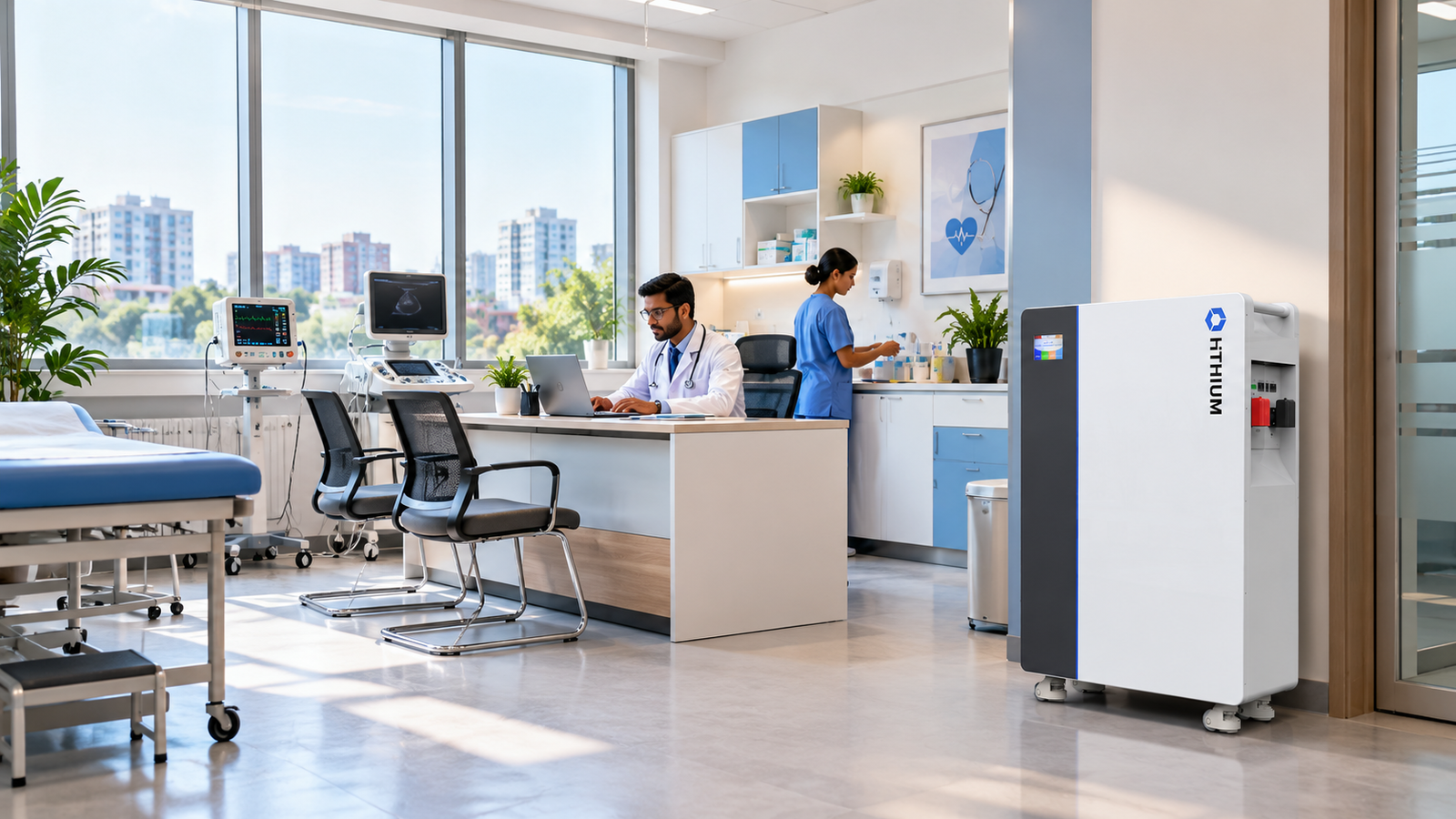
The Critical Need for Reliable Power in Clinics
In Bangladesh, power outages are a daily reality — even in urban areas like Dhaka and Chittagong. For clinics and healthcare facilities, this isn’t just an inconvenience; it’s a patient safety issue. Medical equipment like blood refrigerators, vaccine cold chains, X-ray machines, and surgical lights all require uninterrupted power to function properly. A single power interruption can mean spoiled vaccines, disrupted surgeries, or compromised diagnostic results.
That’s why choosing the right lithium IPS for your clinic isn’t just about convenience — it’s about delivering safe, reliable healthcare.
How HiTHIUM Lithium IPS Solves Clinic Power Challenges
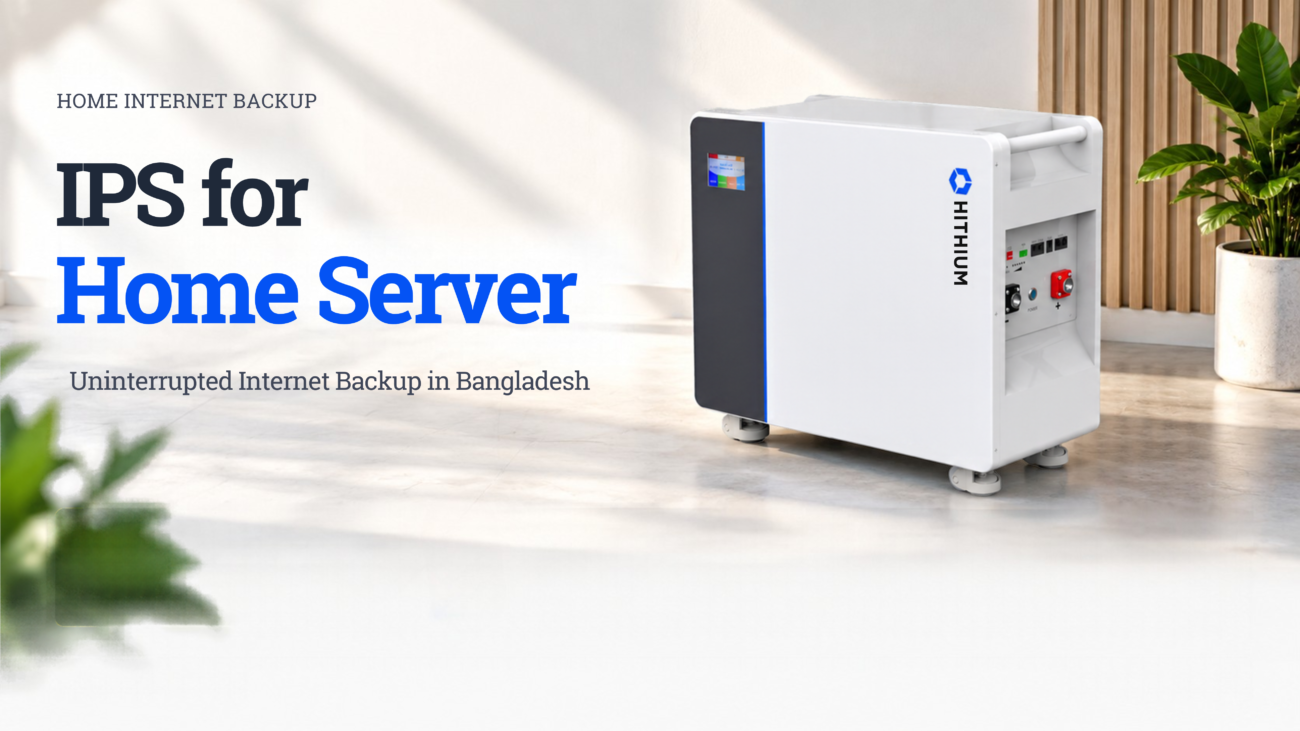
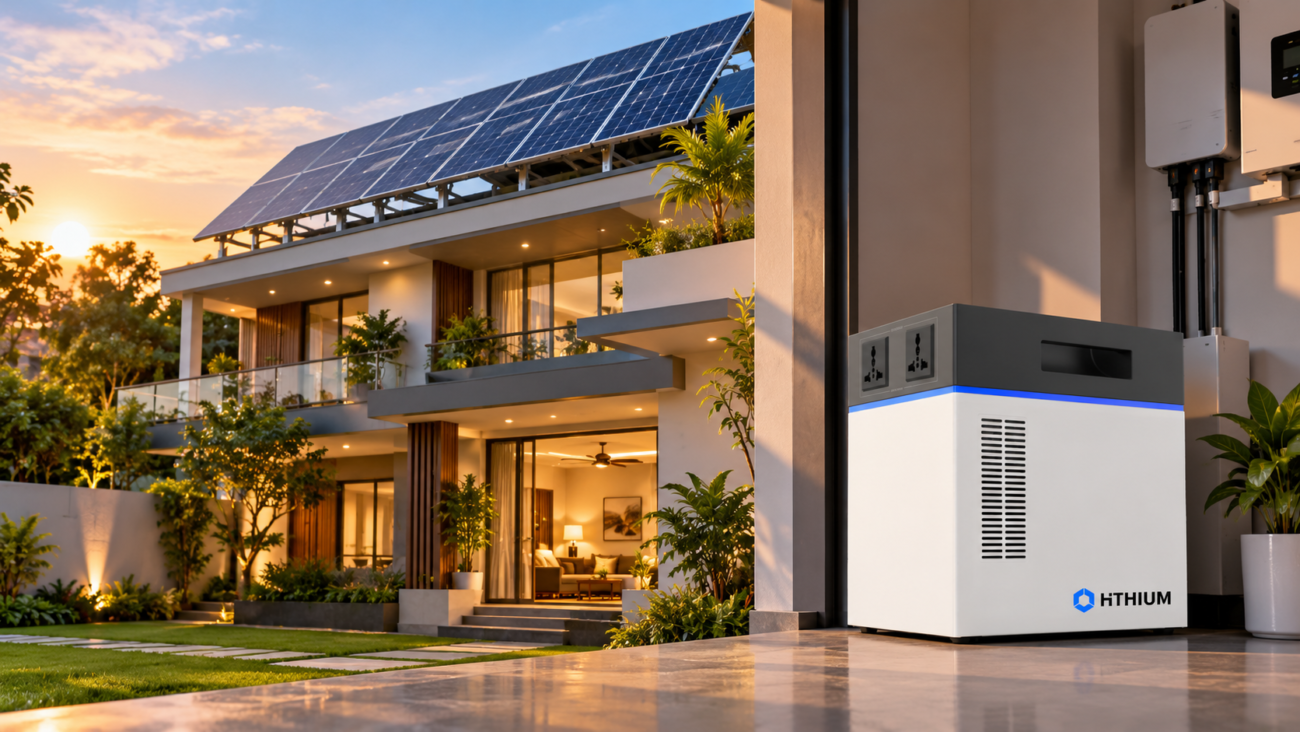
HiTHIUM Bangladesh offers purpose-built energy storage solutions designed for healthcare environments. Our HiTHIUM MaxPower 8 AIO is an all-in-one solar IPS system that integrates battery, inverter, and MPPT solar charger into a single compact unit. With 5kW output capacity and 8kWh storage, it can power essential clinic equipment for hours during load shedding.
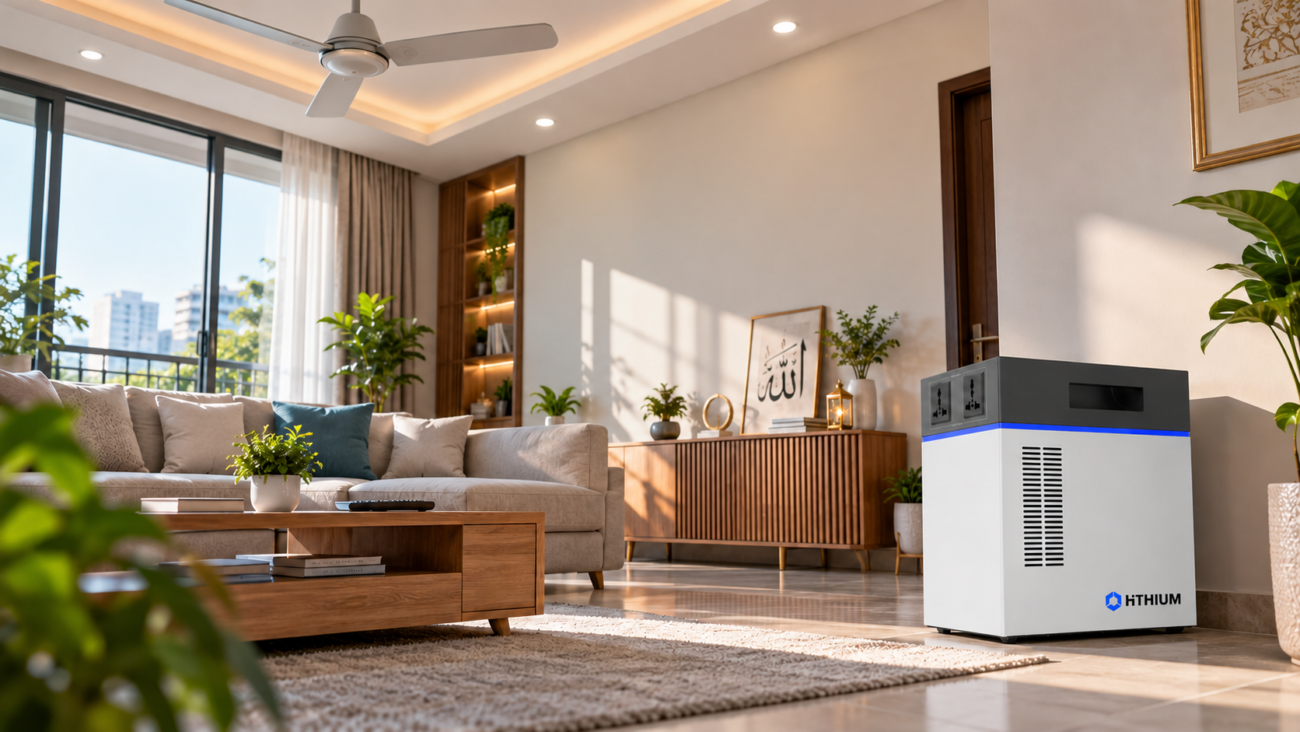
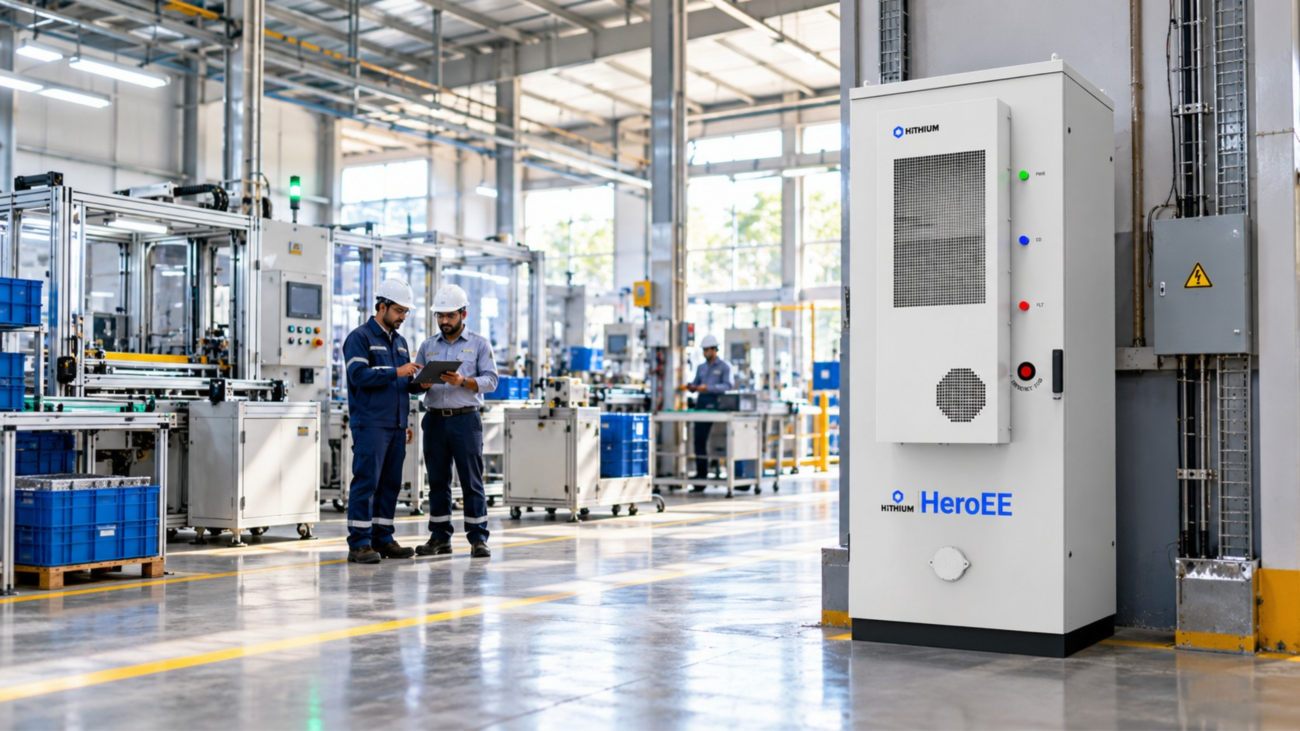
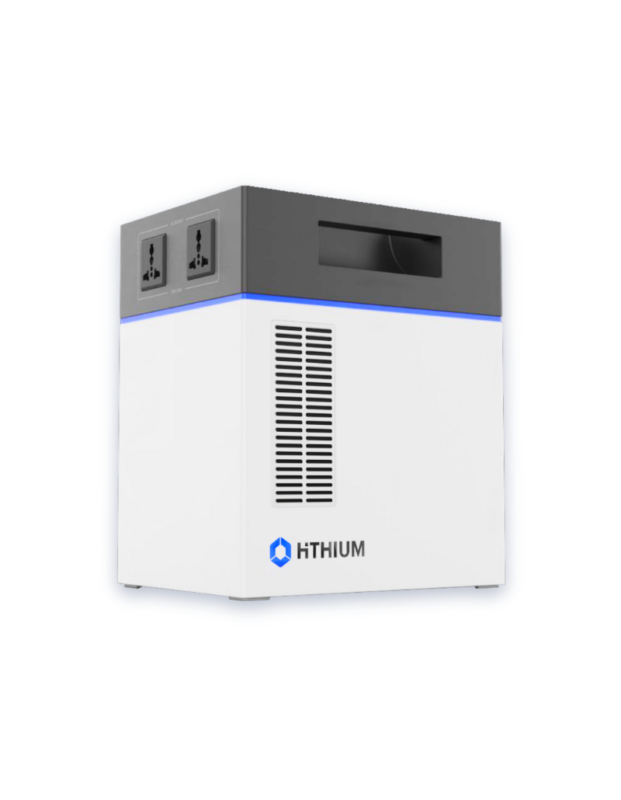
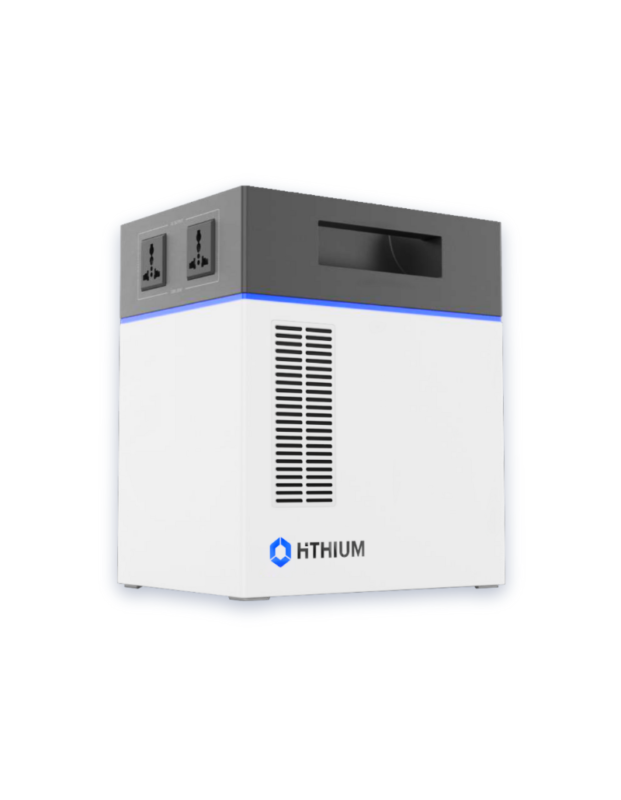
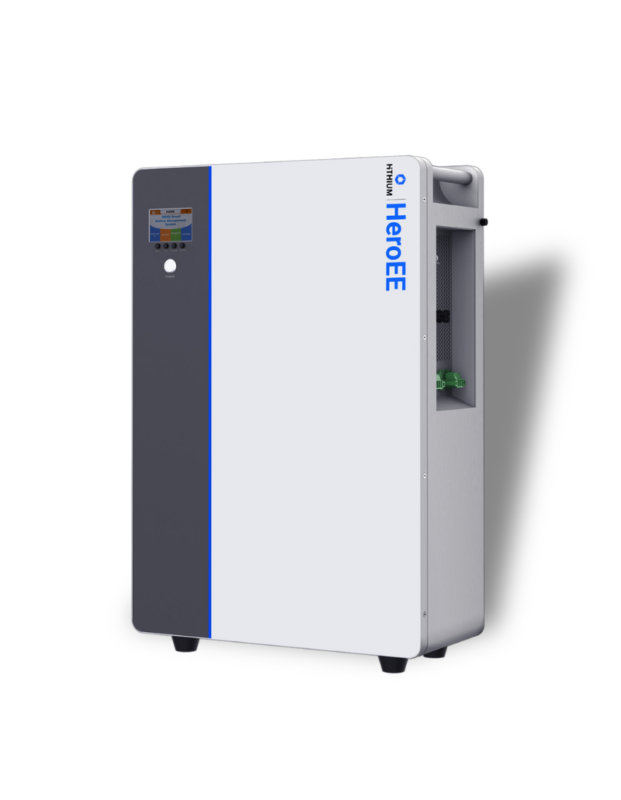
For smaller clinics or backup-critical devices, the HiTHIUM HeroEE 2 2kWh portable IPS provides reliable power for refrigerators, diagnostic equipment, and lighting — perfect for outpatient departments or mobile health camps. Check our complete IPS price list to compare options.
Medical Equipment Power Requirements
| Equipment | Typical Wattage | Backup Hours (8kWh System) |
|---|---|---|
| Vaccine Refrigerator (200L) | 100-150W | 53 hours |
| Blood Bank Refrigerator | 200-300W | 26 hours |
| X-ray Machine | 500-1000W | 8 hours |
| Surgical Lights (LED) | 200-400W | 20 hours |
| Diagnostic Equipment | 100-300W | 26 hours |
| Clinic Lighting & Fans | 300-500W | 16 hours |
Use our IPS load calculator guide to determine your clinic’s exact power requirements.
Key Specifications: HiTHIUM MaxPower 8 AIO
The MaxPower 8 AIO is built for continuous clinical operation:
- Battery Type: LiFePO₄ (Lithium Iron Phosphate) — safer and longer-lasting than lead-acid
- Capacity: 314Ah / 8,038Wh (8kWh)
- Cycle Life: 11,000 cycles at 100% DOD
- Solar Input: Up to 9,000W (180% oversizing)
- Transfer Time: 10ms (UPS mode) — zero disruption for sensitive equipment
- Operating Temperature: -10°C to 45°C — ideal for Bangladesh climate
- Warranty: 5 years
Why Clinics Should Choose LiFePO₄ IPS
Lead-acid batteries degrade quickly in Bangladesh’s hot climate, requiring replacement every 2-3 years. LiFePO₄ technology offers:
- 20-25+ year lifespan — no frequent replacements
- Zero maintenance — no water topping or terminal cleaning (maintenance guide)
- Consistent power — stable voltage output protects sensitive medical devices
- Safer chemistry — thermal runaway protection, no acid leaks
- Faster solar charging — 9kW MPPT input reduces generator running time
The HiTHIUM L12314ES (4019Wh) offers modular scalability — add multiple units for larger facilities.
Installation Considerations for Healthcare Facilities
Proper installation is critical for clinic safety and compliance. Key requirements include:
- Ventilation: Install IPS units in well-ventilated areas, away from patient treatment zones
- Mounting: Wall-mount or floor-standing options available for MaxPower 8 AIO
- Electrical Panel: Dedicated circuit breakers for medical-grade equipment
- Grounding: Proper earthing per Bangladesh National Building Code
- Monitoring: LCD display shows real-time battery SOC, input/output voltage, and fault codes
Case Study: Clinic Power Backup Success
A 10-bed clinic in Dhaka’s Mirpur area installed the HiTHIUM MaxPower 8 AIO in 2025. Before: they relied on a 5kVA petrol generator, spending BDT 8,000-12,000 monthly on fuel. After installing the solar IPS with 3kW rooftop panels: generator use dropped to emergency-only, saving BDT 6,000/month. Vaccine refrigerator runs reliably for 15+ hours during outages.
Frequently Asked Questions
What IPS capacity do I need for a small clinic?
For a typical 5-10 bed clinic with vaccine fridge, lighting, fans, and basic diagnostics, a 3-5kVA IPS with 2-4kWh battery is sufficient. The HiTHIUM HeroEE 2 (2kWh) works for essential backup; larger facilities should consider the MaxPower 8 AIO (8kWh).
Can I run an X-ray machine on a lithium IPS?
Yes, but high-power equipment like X-ray machines (500-1000W) require proper sizing. The MaxPower 8 AIO’s 5kW output can handle most diagnostic equipment, but always verify your specific machine’s startup surge current (typically 2-3x running watts).
How long will a lithium IPS power my clinic during load shedding?
With the MaxPower 8 AIO (8kWh), you can expect 1.5 hours for essential equipment (refrigerator, lights, fans, router, all kitchen appliences). The 11,000 cycle lifespan translates to 20-25+ years of daily use in Bangladesh’s climate.
Is the HiTHIUM IPS suitable for vaccine cold storage?
Absolutely. Vaccine refrigerators require stable 220V power with minimal voltage fluctuation. LiFePO₄ IPS systems provide pure sine wave output (cleaner than petrol generators), which is the gold standard for cold chain equipment. Our systems maintain consistent temperature within ±0.5°C.
What warranty and service does HiTHIUM provide?
HiTHIUM Bangladesh offers 5-year warranty on all lithium IPS systems, with nationwide service coverage. Contact us at +880-1788-686788 for installation quotes and after-sales support.
Get Your Clinic Power Solution Today
Don’t let power cuts compromise patient care. HiTHIUM Bangladesh provides expert consultation, professional installation, and ongoing support for healthcare facilities across the country. Visit our showroom in Dhaka or call +880-1788-686788 for a free site assessment and quote.
📖 Related Guides: IPS for Wedding Halls | IPS for Small Shops | IPS Buying Guide for Small Business | IPS for Hotels | Lithium Battery Price Guide
Critical Equipment That Needs IPS Backup in Clinics
Bangladeshi clinics rely on various electrical equipment that cannot afford power interruptions:
- Vaccine refrigerators: WHO guidelines require uninterrupted power for vaccine storage. Temperature fluctuations can destroy entire vaccine stocks worth lakhs of taka.
- Diagnostic equipment: ECG machines, pulse oximeters, blood analyzers, and digital X-ray machines require stable power to produce accurate results.
- Dental equipment: Dental chairs, compressors, and curing lights need continuous power during procedures.
- Lighting and fans: Examination rooms and waiting areas must remain well-lit and ventilated for patient comfort and clinical accuracy.
- Computers and POS systems: Patient records, billing systems, and prescription software run on computers that need protected power.
Recommended HiTHIUM IPS Systems for Clinics
HeroEE 2 — For Small Clinics and Private Practices
The HeroEE 2 is ideal for single-doctor clinics and small private practices. It handles essential loads: 2-3 examination room lights, a vaccine refrigerator, basic diagnostic equipment, a computer workstation, and 2-3 ceiling fans. The 2kVA capacity provides 3-4 hours of backup during load shedding, ensuring critical procedures aren’t interrupted.
MaxPower 8 AIO — For Multi-Doctor Clinics and Diagnostic Centers
For larger clinics with multiple consultation rooms, diagnostic labs, and dental setups, the MaxPower 8 AIO delivers the power needed to run everything simultaneously. With 8kVA capacity, it can support multiple vaccine refrigerators, full diagnostic equipment, air conditioning in consultation rooms, and complete IT infrastructure.
ROI Calculation for Clinic IPS Investment
A single power outage during a dental procedure can cost BDT 5,000-15,000 in wasted materials and lost appointment fees. Vaccine stock losses from a refrigerator shutdown can exceed BDT 50,000. When compared to these potential losses, a HiTHIUM lithium IPS system pays for itself within 6-12 months through:
- Zero vaccine stock losses during power outages
- Uninterrupted procedures that protect revenue
- No generator fuel costs — LiFePO4 batteries charge from grid power at low tariff rates
- 10-year battery life with zero maintenance costs
Related Posts
Best Solar Charge Controllers for LiFePO4 Batteries Bangladesh (2026 Guide)

Solar + LiFePO4 Battery System Cost Analysis Bangladesh 2026: Complete Price Guide
How to Calculate Solar Panel Wattage for LiFePO4 Battery in Bangladesh (2026 Guide)
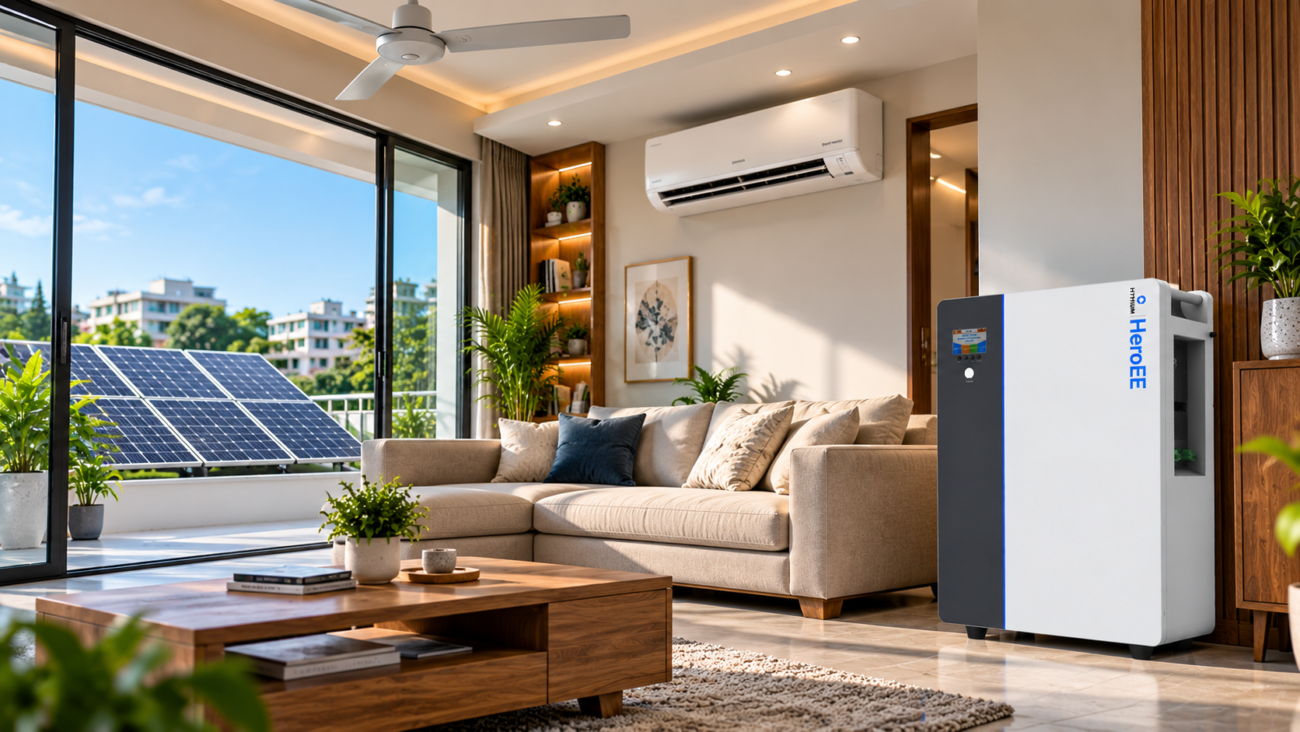
Best LiFePO4 Battery for Solar Home System in Bangladesh 2026 — Complete Buying Guide
Discover the best LiFePO4 batteries for solar home systems in Bangladesh. Compare HiTHIUM HeroEE L12314ES (4019Wh), MaxPower 8 AIO, and HeroEE 2 — with prices, specs, and buying tips for 2026.