

Blog
How to Size an IPS for a Submersible or Deep Tube-Well Pump in Bangladesh

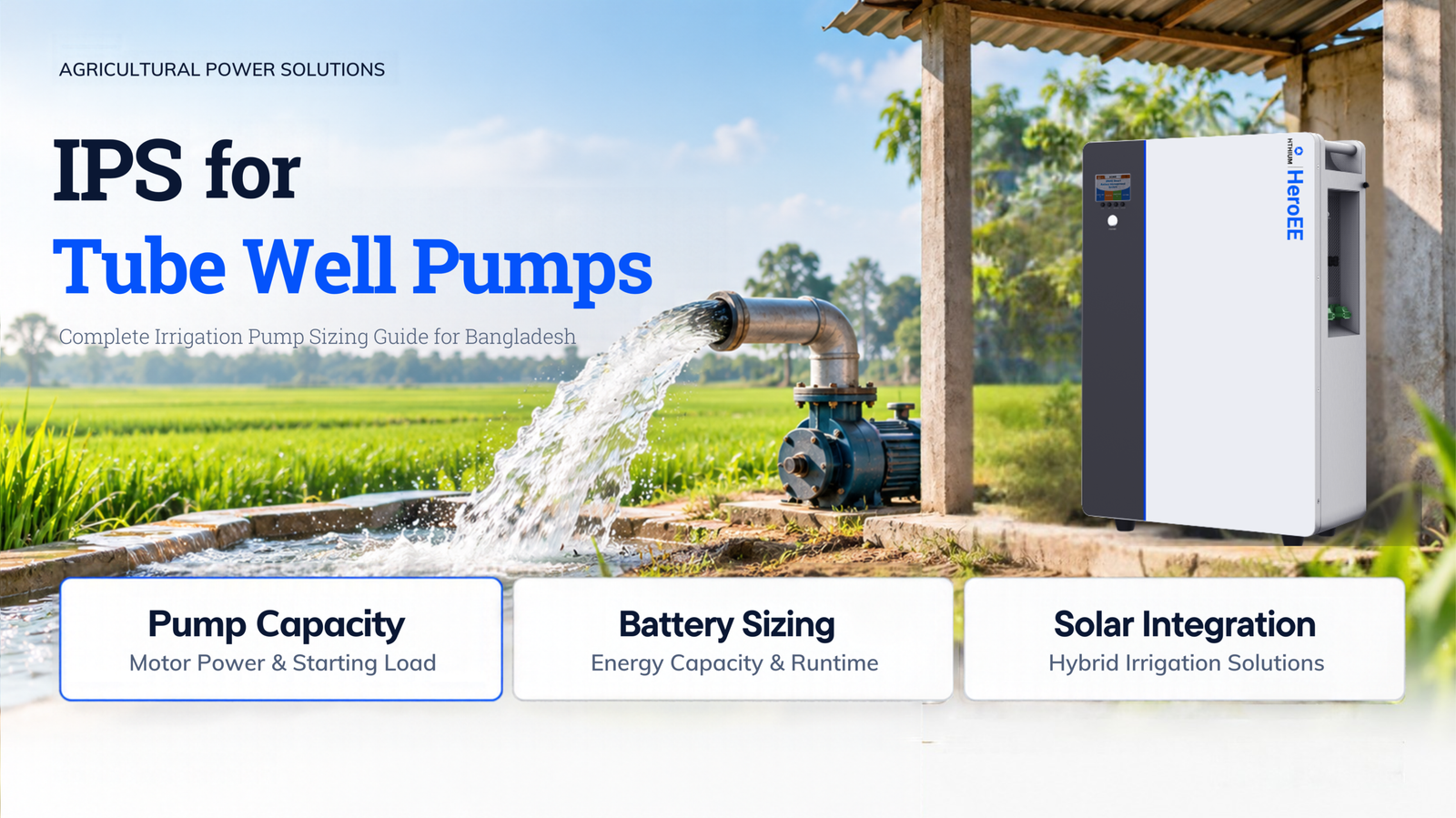
How to Size an IPS for a Submersible or Deep Tube-Well Pump in Bangladesh
Tube wells are the backbone of Bangladesh’s agriculture, but load shedding can shut down your irrigation for hours — killing crops and costing money. Choosing the right IPS capacity for your tube well pump isn’t guesswork. It requires understanding your pump’s wattage, the runtime you need, and how to match those to a lithium battery system that actually works.
This guide walks you through the complete calculation process, from pump specifications to IPS selection, with real examples from Bangladeshi farmers and practical recommendations for HiTHIUM lithium systems.
Why Tube Well Pumps Need Dedicated IPS Sizing
A submersible tube well pump is one of the most power-hungry appliances in a Bangladeshi home. Unlike ceiling fans (75W) or LED lights (20W), a typical 1 HP submersible pump draws 750–1,000 watts continuously, and during startup, the surge current can spike to 2,000–3,000 watts for a few seconds.
This creates three challenges for IPS sizing:
- Surge capacity: Your IPS must handle 2–3× the running wattage for startup
- Runtime requirements: Farmers often need 4–8 hours of pumping per day
- Continuous load: Unlike fans that cycle on/off, pumps run continuously until the tank is full
Get the sizing wrong, and you’ll either trip the IPS overload protection repeatedly or suffer shallow backups that don’t fill your tank before the battery drains.
Step 1: Identify Your Pump’s Power Rating
The first step is reading the specifications plate on your pump motor. Look for these values:
| Pump Type | Running Wattage | Startup Surge | Typical Depth |
|---|---|---|---|
| ½ HP Submersible | 370–500W | 800–1,200W | 50–150 ft |
| ¾ HP Submersible | 560–750W | 1,200–1,800W | 100–250 ft |
| 1 HP Submersible | 750–1,000W | 1,800–2,500W | 150–300 ft |
| 1.5 HP Deep Well | 1,100–1,500W | 2,500–3,500W | 200–400 ft |
| 2 HP Industrial | 1,500–2,000W | 3,500–4,500W | 300–500+ ft |
Pro tip: If your pump plate shows current (A) instead of watts (W), multiply amps by 230V to get watts. A 4A pump = approximately 920W.
Step 2: Calculate Your Runtime Requirements
How many hours per day does your tube well pump need to run? This depends on:
- Water table depth: Deeper wells take longer to fill storage tanks
- Pump flow rate: Measured in liters per minute (LPM)
- Storage capacity: overhead tank size (typically 500–2,000 liters)
- Usage pattern: Some farmers pump only at night; others run during the day
For a typical 1 HP pump in rural Bangladesh:
- Runtime: 2–4 hours per day to fill a 1,000-liter tank
- Energy consumption: 1,500–3,000Wh per day (1.5–3 kWh)
- Minimum IPS capacity: 2,000–3,000Wh battery with 1,500W+ output
Step 3: Match IPS Capacity to Your Pump
Here’s how HiTHIUM lithium IPS systems map to common tube well pump setups:
| Pump Size | Recommended IPS | Battery Capacity | Runtime | Price (BDT) |
|---|---|---|---|---|
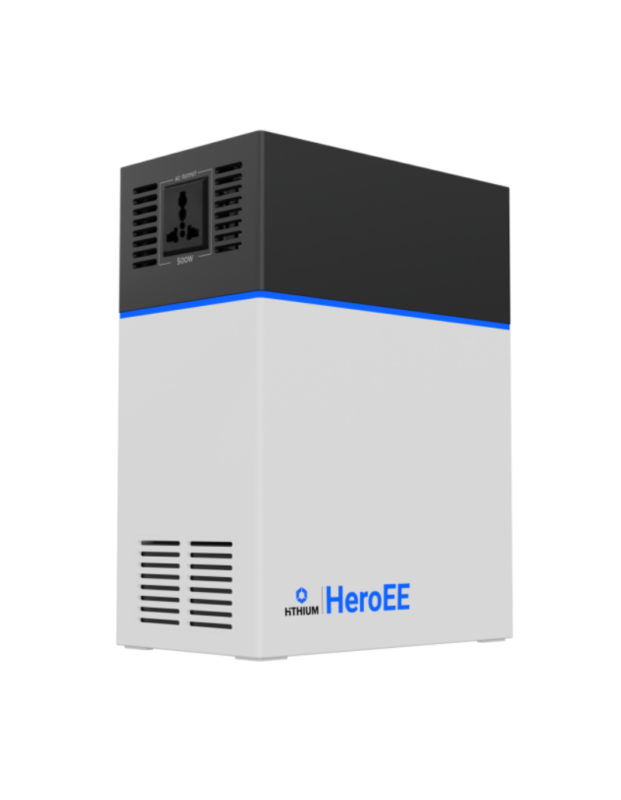
| ½ HP (370–500W) | HiTHIUM HeroEE Light 1 | 1,004.8Wh | 2 hours | 50,800৳ |
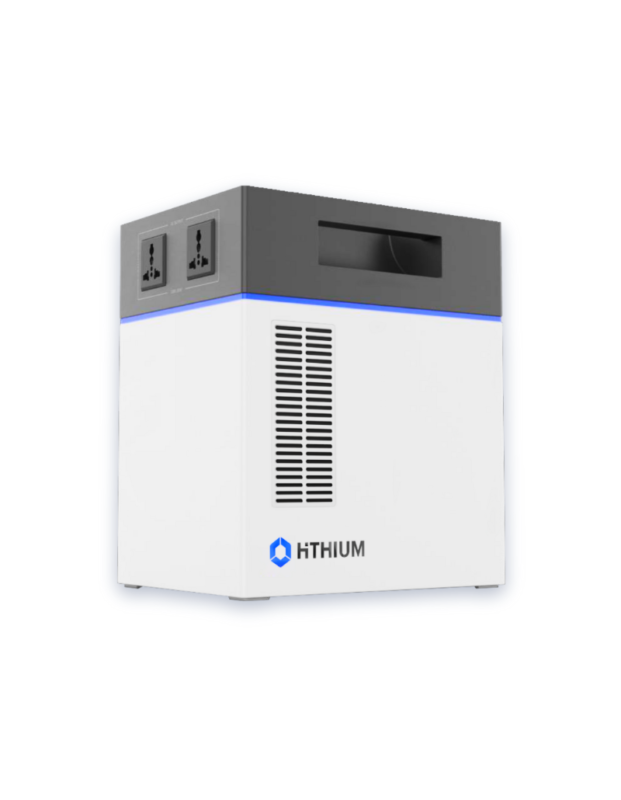
| ½–¾ HP (500–750W) | HiTHIUM HeroEE 2 | 2,000Wh | 2-2.5 hours | 78,100৳ |
| ¾–1 HP (750–1,000W) | HiTHIUM MaxPower 8 AIO | 8,000Wh | 7–9 hours | 287,000৳ |
| 1.5–2 HP (1,500W+) | HiTHIUM HeroEE 16 | 16,000Wh | 12–15 hours | 336,000৳ |
Important: Always size your IPS for peak demand, not just running wattage. A 1,000W pump needs an IPS that can handle 2,500W+ surge capacity. The HeroEE Light 1 (500W output) is not suitable for 1 HP pumps — it will trip on startup.
Real-World Sizing Examples
Example 1: Small Farm, ½ HP Pump
A farmer in Tangail with a ½ HP submersible pump (450W running, 1,200W surge) needs to fill a 600-liter tank daily. The pump runs for about 90 minutes per fill cycle, and they need 2 cycles per day.
Energy calculation:
- Running: 450W × 3 hours = 1,350Wh
- Required IPS: HeroEE Light 1 (1,004Wh) is too small
- Recommendation: HeroEE 2 (2,000Wh) provides 2.5 hours of runtime — sufficient for one full cycle plus buffer
Example 2: Medium Farm, 1 HP Pump
A rice farmer in Brahmanbaria uses a 1 HP pump (900W running, 2,200W surge) to irrigate 2 acres. The pump runs 4 hours daily during the dry season.
Energy calculation:
- Running: 900W × 4 hours = 3,600Wh
- Required IPS: HeroEE 2 (2,000Wh) can only run the pump for ~2 hours
- Recommendation: MaxPower 8 AIO (8,000Wh) provides 7–8 hours of runtime — covers the full daily need with solar charging support
Example 3: Deep Well, 1.5 HP Pump
A vegetable farmer in Bogra has a 1.5 HP deep-well pump (1,300W running, 3,000W surge) at 250 feet depth. The pump runs 5 hours daily during irrigation season.
Energy calculation:
- Running: 1,300W × 5 hours = 6,500Wh
- Required IPS: MaxPower 8 (8,000Wh) is borderline — provides ~5.5 hours at full load
- Recommendation: HeroEE 16 (16,000Wh) with solar input provides unlimited runtime when paired with a 2kW+ solar array
Key Sizing Rules for Bangladeshi Tube Wells
- Always add 25% headroom: If your pump is 900W, size for 1,125W minimum. Voltage fluctuations in rural Bangladesh can increase current draw.
- Check startup surge: Submersible pumps have the highest surge ratios (2.5–3× running wattage). Your IPS must handle this without tripping.
- Factor in pump age: Older pumps (5+ years) draw 15–20% more current due to wear. Size accordingly.
- Consider seasonal variation: During dry season, water tables drop and pumps run longer. Size for peak demand, not average.
- Plan for expansion: If you might add a second pump or increase head depth, choose an IPS with upgrade path (like MaxPower 8, scalable to 128kWh).
Solar Integration for Tube Well IPS
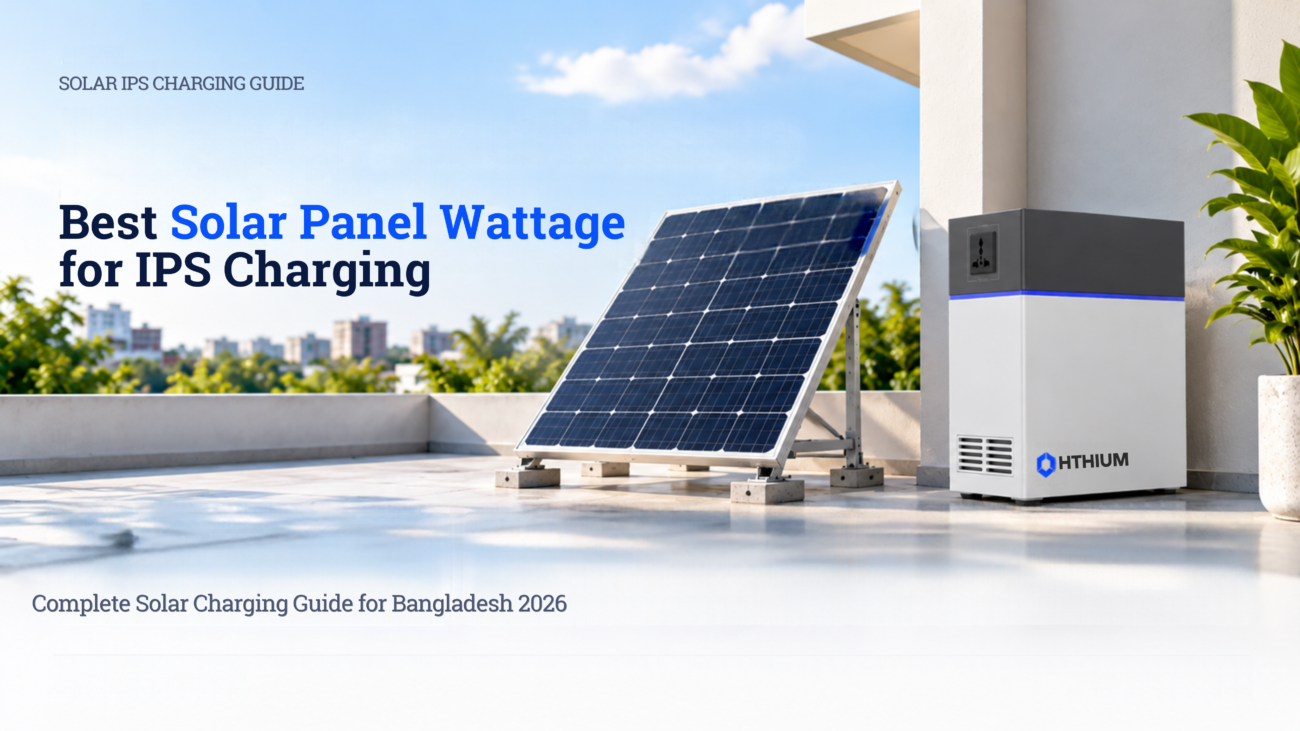
One advantage of HiTHIUM lithium IPS systems is their ability to integrate with solar panels. For tube well applications, solar can dramatically reduce operating costs:
- HeroEE Light 1: Pairs with 200–400W solar panel for daytime pumping
- HeroEE 2: Supports 400–600W solar for extended runtime
- MaxPower 8 AIO: Built-in 9kW MPPT charger — supports 9kW solar array for near-unlimited operation
- HeroEE 16: Industrial-grade solar integration for commercial farms
A 1kW solar array in Bangladesh generates approximately 4–5 kWh per day (considering 4.5–5.5 peak sun hours). This can offset 50–70% of your tube well pumping costs during daylight hours.
Common Mistakes to Avoid
Based on our experience installing IPS systems for Bangladeshi farmers, here are the most frequent sizing errors:
| Mistake | Consequence | Solution |
|---|---|---|
| Sizing by running wattage only | IPS trips on pump startup | Size for 2.5× running wattage |
| Assuming all pumps are 1 HP | Undersized IPS for actual load | Read the nameplate — don’t guess |
| Ignoring seasonal runtime changes | Insufficient backup during dry season | Size for peak dry-season demand |
| Using tubular battery IPS for deep wells | Rapid battery degradation from deep discharge | Use LiFePO₄ — handles 80–90% depth of discharge safely |
| No solar integration plan | High electricity/diesel costs | Add solar from day one — MPPT charge controllers are built into HiTHIUM units |
Frequently Asked Questions
Can I run a 1 HP tube well pump on a HeroEE Light 1?
No. The HeroEE Light 1 has a 500W continuous output and ~1,000W surge capacity. A 1 HP pump requires 750–1,000W running and 1,800–2,500W surge. The IPS will trip immediately on startup. Use at least a HeroEE 2 (1,000W output) or MaxPower 8 AIO (5,000W output) for 1 HP pumps.
How many hours can a 2kWh IPS run a ½ HP tube well pump?
A HeroEE 2 (2,000Wh) running a ½ HP pump (450W) can provide approximately 3.5–4 hours of runtime, accounting for 10–15% inverter losses. This is sufficient for most small farms that need 2–3 hours of pumping per day.
Is a lithium IPS better than tubular battery for tube wells?
Yes, significantly. Tubular batteries degrade quickly when deeply discharged (which tube well pumps require). A LiFePO₄ lithium IPS like HiTHIUM’s can handle 80–90% depth of discharge daily while maintaining 11,000+ cycles. Over 5 years, lithium costs less than replacing tubular batteries 2–3 times.
Can I add solar panels later to my tube well IPS?
All HiTHIUM lithium IPS systems support solar integration. The HeroEE Light 1 and HeroEE 2 accept 100–400W portable solar panels via MC4 connectors. The MaxPower 8 AIO and HeroEE 16 support 9kW rooftop arrays with built-in 9kW MPPT charge controllers. You can add solar at any time after purchase.
Conclusion: Right-Sizing Your Tube Well IPS
Sizing an IPS for a tube well pump isn’t complicated — it comes down to three numbers: your pump’s running wattage, its startup surge, and how many hours you need per day. Once you have those, match them to a lithium IPS with adequate capacity and surge rating.
For most Bangladeshi farmers with ½–1 HP pumps, the HeroEE 2 or MaxPower 8 AIO provides the best balance of capacity, runtime, and solar integration. For deeper wells and larger pumps, the HeroEE 16 with solar array delivers industrial-grade reliability.
Don’t undersize your IPS to save money upfront — a tripping IPS is worse than no IPS at all. Get the capacity right the first time, and your tube well will run reliably through every load shedding episode this season.
Need help sizing your IPS? Contact HiTHIUM Bangladesh for a free consultation. We’ll calculate your pump’s exact requirements and recommend the optimal battery system for your farm.
Related Posts
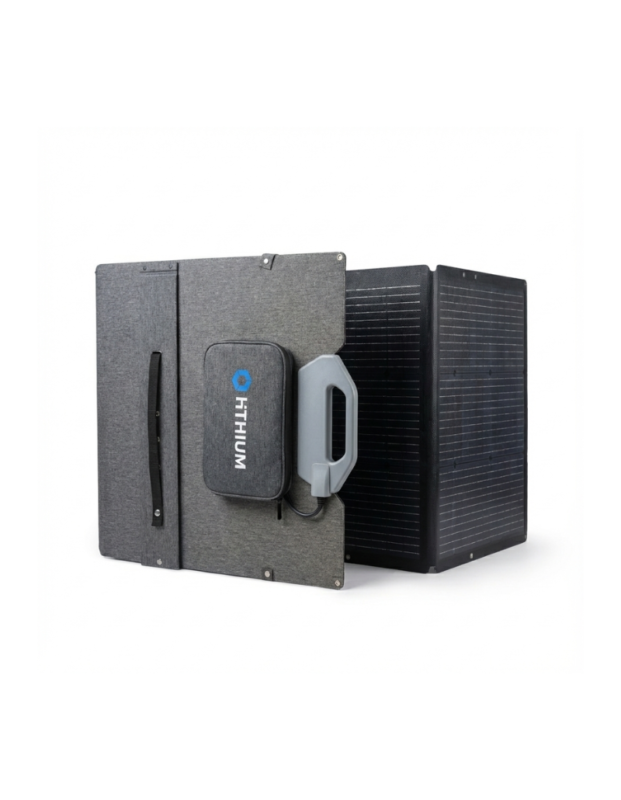
Best Solar Charge Controllers for LiFePO4 Batteries Bangladesh (2026 Guide)

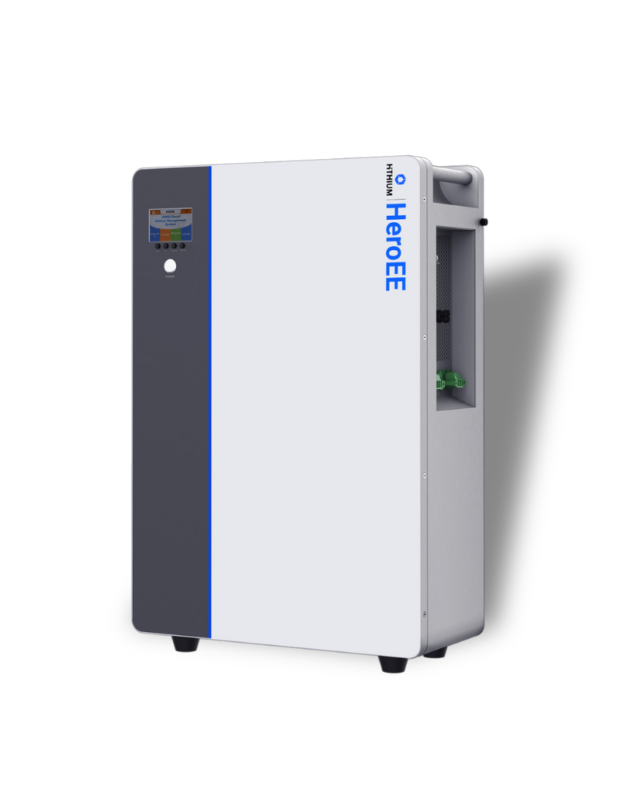
Solar + LiFePO4 Battery System Cost Analysis Bangladesh 2026: Complete Price Guide
How to Calculate Solar Panel Wattage for LiFePO4 Battery in Bangladesh (2026 Guide)
Best LiFePO4 Battery for Solar Home System in Bangladesh 2026 — Complete Buying Guide
Discover the best LiFePO4 batteries for solar home systems in Bangladesh. Compare HiTHIUM HeroEE L12314ES (4019Wh), MaxPower 8 AIO, and HeroEE 2 — with prices, specs, and buying tips for 2026.