
Lithium Battery vs Tubular Battery for IPS in Bangladesh — Which Is Better?

If you own an IPS (Instant Power Supply) in Bangladesh, you know the battery is the most important — and most expensive — component. When it’s time to buy a new battery or upgrade your existing system, you’ll face a crucial decision: lithium battery or tubular battery? Both have their advocates, but the choice significantly impacts performance, cost, maintenance, and longevity. In this comprehensive guide, we compare lithium batteries (specifically LiFePO4) against traditional tubular batteries for IPS use in Bangladesh. By the end, you’ll know exactly which battery type delivers the best value for your specific needs.
Understanding the Two Technologies
What Is a Lithium (LiFePO4) Battery?
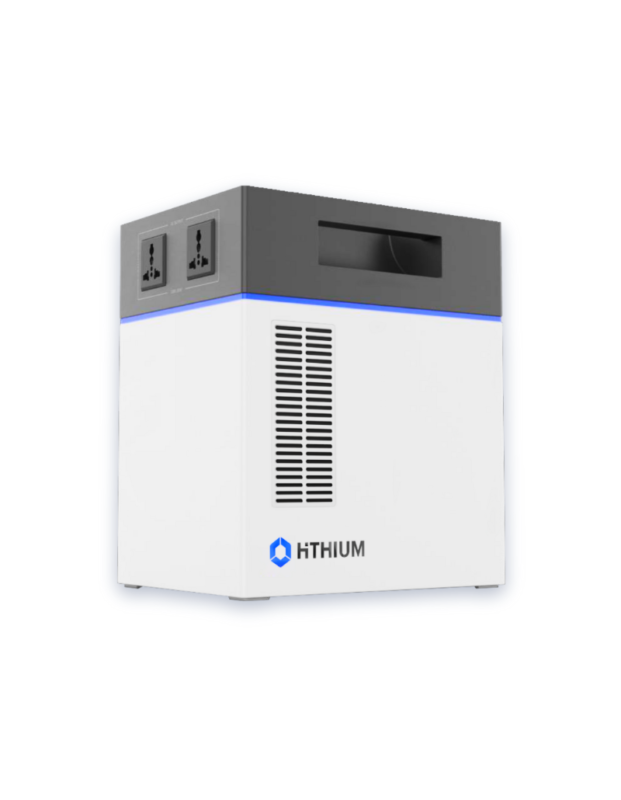
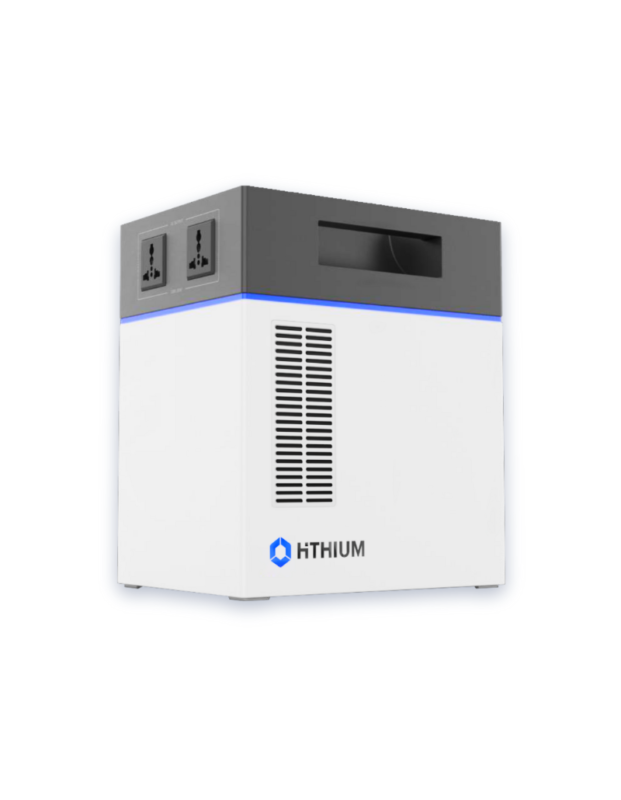
Lithium iron phosphate (LiFePO4) batteries are the latest advancement in rechargeable battery technology. Unlike the lithium-ion batteries found in phones and laptops, LiFePO4 is chemically stable, non-flammable, and designed specifically for high-current applications like IPS backup power. Brands like HiTHIUM offer LiFePO4 batteries rated for 11,000+ cycles, which means they can last 10 years or more with daily use. They’re compact, lightweight, and require zero maintenance.
What Is a Tubular Battery?
Tubular batteries are an advanced type of lead-acid battery. They use tubular positive plates that make them more durable than flat-plate batteries. Tubular batteries are the most common choice for IPS systems in Bangladesh because they offer better performance and longer life than standard car batteries. A good tubular battery lasts 3–5 years with proper maintenance. They’re heavy, require periodic distilled water refilling, and need a well-ventilated space.
Lithium vs Tubular Battery: Complete Comparison Table
| Feature | Lithium (LiFePO4) Battery | Tubular (Lead-Acid) Battery |
|---|---|---|
| Cycle Life | 4,000–6,000 cycles | 500–1,200 cycles |
| Lifespan | 10–15 years | 3–5 years |
| Weight (100Ah) | 12–15 kg | 30–40 kg |
| Energy Density | High (more power in less space) | Low (bulky for same capacity) |
| Depth of Discharge | 80–100% (use full capacity) | 50% max (half capacity usable) |
| Charging Time | 2–4 hours | 8–12 hours |
| Maintenance | None — sealed, zero maintenance | Distilled water every 30–60 days |
| Safety | BMS protected, no gas, no acid | Hydrogen gas, acid spills risk |
| Installation | Any position, indoors OK | Upright only, ventilated area |
| Upfront Cost | Higher (Tk 25,000–60,000) | Lower (Tk 10,000–18,000) |
| Cost per Year (10yr) | Tk 3,000–5,000/year | Tk 3,500–6,000/year (with replacements) |
| Warranty | 2–5 years | 6–18 months |
| Temperature Tolerance | -20°C to 60°C | 15°C to 35°C (best performance) |
| Efficiency | 95–98% round-trip | 70–85% round-trip |
1. Cycle Life — The Most Important Metric
Cycle life refers to how many times a battery can be charged and discharged before its capacity drops below 80% of its original rating. This is where LiFePO4 batteries dramatically outperform tubular batteries. A HiTHIUM LiFePO4 battery delivers 11,000+ cycles. Even with daily deep discharges, that’s 20–25+ years of service. A tubular battery, even a high-quality one, delivers 500–1,200 cycles — which translates to just 3–5 years. After that, the battery needs to be replaced entirely.
2. Usable Capacity — The 50% Rule
Tubular batteries should never be discharged below 50% of their capacity. Discharging deeper permanently damages the plates and drastically shortens battery life. This means a “100Ah” tubular battery actually gives you only 50Ah of usable power. In contrast, LiFePO4 batteries can be safely discharged to 80–100% depth of discharge (DoD). A 100Ah LiFePO4 battery from HiTHIUM gives you 80–100Ah of usable power. So a 100Ah lithium battery effectively provides nearly double the runtime of a 100Ah tubular battery!
3. Weight and Space
A 100Ah lithium battery weighs about 12–15 kg — roughly the weight of a small child. A 100Ah tubular battery weighs 30–40 kg — as heavy as a large suitcase full of books. If you live in an apartment or need to move the battery, the weight difference alone is enough reason to choose lithium. Lithium batteries also take up half the space and can be installed on their side or in any orientation, while tubular batteries must remain upright.
4. Charging Speed
In Bangladesh, power cuts often happen multiple times a day. Fast charging becomes critical. LiFePO4 batteries can accept a high charge current, reaching full charge in 2–4 hours. This means even if the power comes back for a short window, your battery can top up significantly. Tubular batteries have higher internal resistance and charge slowly — typically 8–12 hours for a full charge. If you get only 4–5 hours of grid power between load-shedding periods, a tubular battery will never fully charge.
5. Maintenance Requirements
This is a major practical consideration. LiFePO4 batteries are completely sealed and maintenance-free. You install them and forget about them for years. Tubular batteries require regular distilled water refilling every 30–60 days. If the water level drops below the plates, the battery gets permanently damaged. You also need to clean terminals to prevent corrosion and ensure proper ventilation to vent hydrogen gas. For many Bangladeshi households, the maintenance hassle is a significant drawback of tubular batteries.
6. Safety Comparison
LiFePO4 is one of the safest lithium chemistries available. It won’t catch fire or explode even if punctured or overheated. Each HiTHIUM battery comes with a built-in Battery Management System (BMS) that monitors temperature, voltage, and current, shutting down the battery if any parameter goes outside safe limits. Tubular batteries, on the other hand, produce explosive hydrogen gas during charging. They must be kept in a ventilated area away from sparks or flames. The sulfuric acid electrolyte is also corrosive and can damage floors and furniture if spilled.
7. Long-Term Cost Analysis
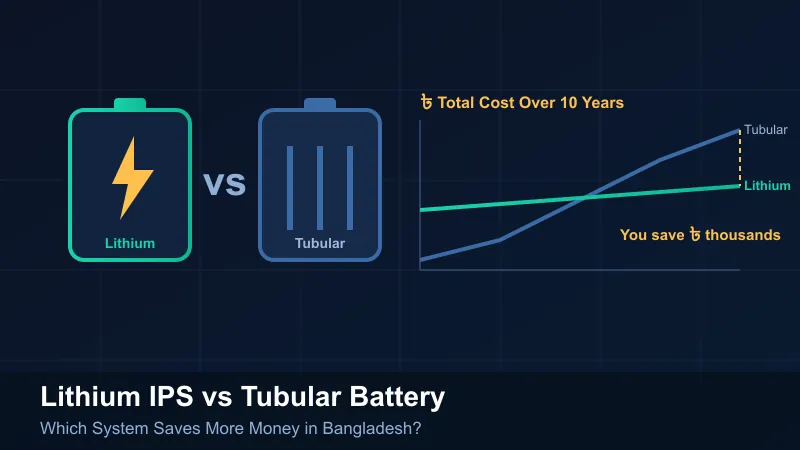
Let’s be honest: lithium batteries cost more upfront. A 100Ah LiFePO4 battery costs Tk 25,000–40,000, while a 100Ah tubular battery costs Tk 10,000–15,000. But here’s the full picture over 10 years:
Tubular Battery (10 years): Initial cost Tk 12,000 + replacement at year 3 (Tk 12,000) + replacement at year 6 (Tk 14,000) + replacement at year 8 (Tk 15,000) = Tk 53,000+ on batteries alone, plus maintenance costs and lost productivity during replacements.
Lithium LiFePO4 (10 years): Initial cost Tk 35,000 + zero replacements + zero maintenance = Tk 35,000 total. Plus you get nearly double the usable capacity, faster charging, and better performance throughout.
Over 10 years, the lithium battery actually costs less while delivering superior performance.
8. Environmental Impact
LiFePO4 batteries are more environmentally friendly. They last 2–3 times longer, generating less waste. They contain no toxic lead or corrosive acid. At end of life, lithium battery materials are increasingly recyclable. Tubular batteries contain lead (a toxic heavy metal) and sulfuric acid, both of which require careful disposal. In Bangladesh, improper disposal of lead-acid batteries is a significant environmental concern.
Which Battery Is Better for Your IPS in Bangladesh?
Choose a Lithium (LiFePO4) Battery if:
- You want 10+ years of reliable service
- You have limited space and need a compact battery
- You want zero maintenance
- You need fast charging between power cuts
- You want to use your battery’s full capacity (80–100% DoD)
- You prioritize safety (no gas, no acid, no fire risk)
- You plan to add solar panels in the future
Choose a Tubular Battery if:
- Your upfront budget is very limited
- You need very large capacity (200Ah+) and cost is the primary concern
- You have a well-ventilated dedicated battery room
- You don’t mind periodic maintenance and 3–5 year replacements
Final Verdict: Why LiFePO4 Is the Future of IPS in Bangladesh
The data is clear. Lithium LiFePO4 batteries offer better performance, longer life, lower total cost of ownership, superior safety, and greater convenience compared to tubular batteries. While the initial investment is higher, the long-term savings and hassle-free experience make LiFePO4 the smarter choice for most Bangladeshi homes and businesses.
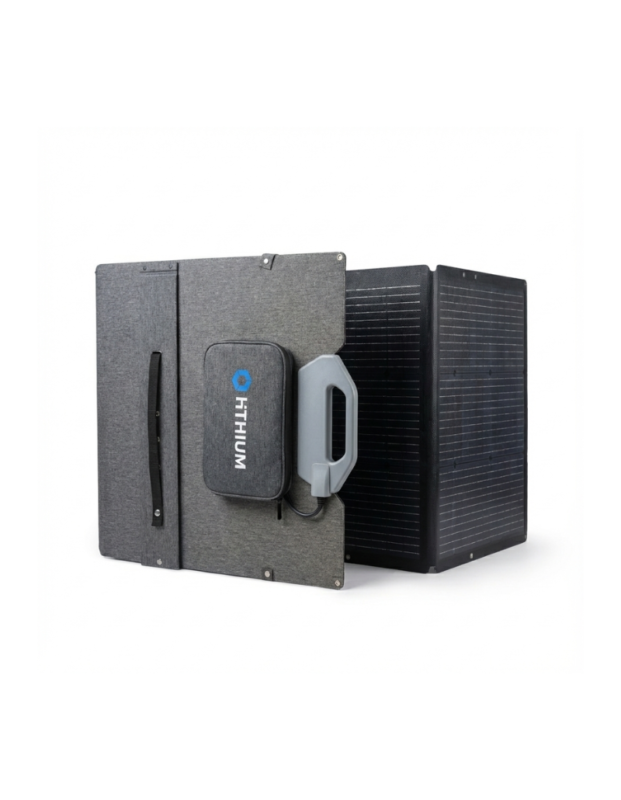
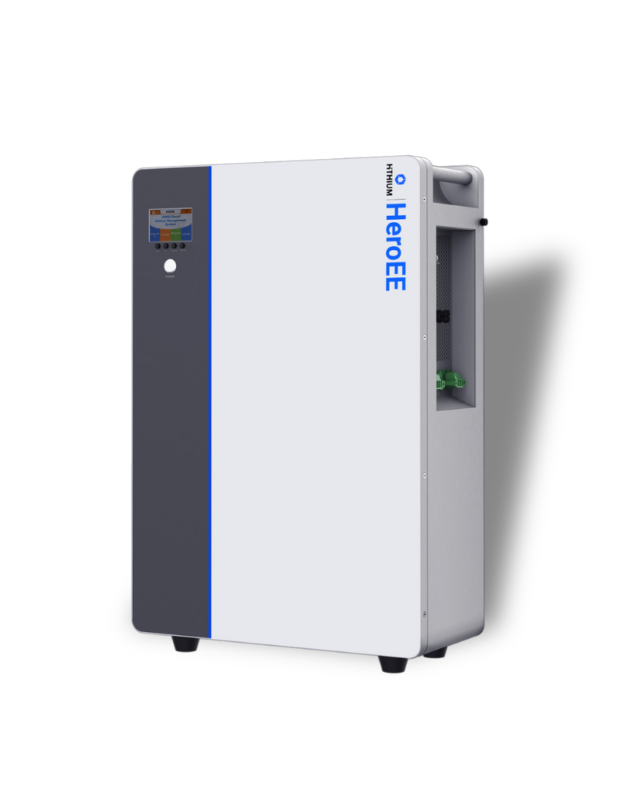
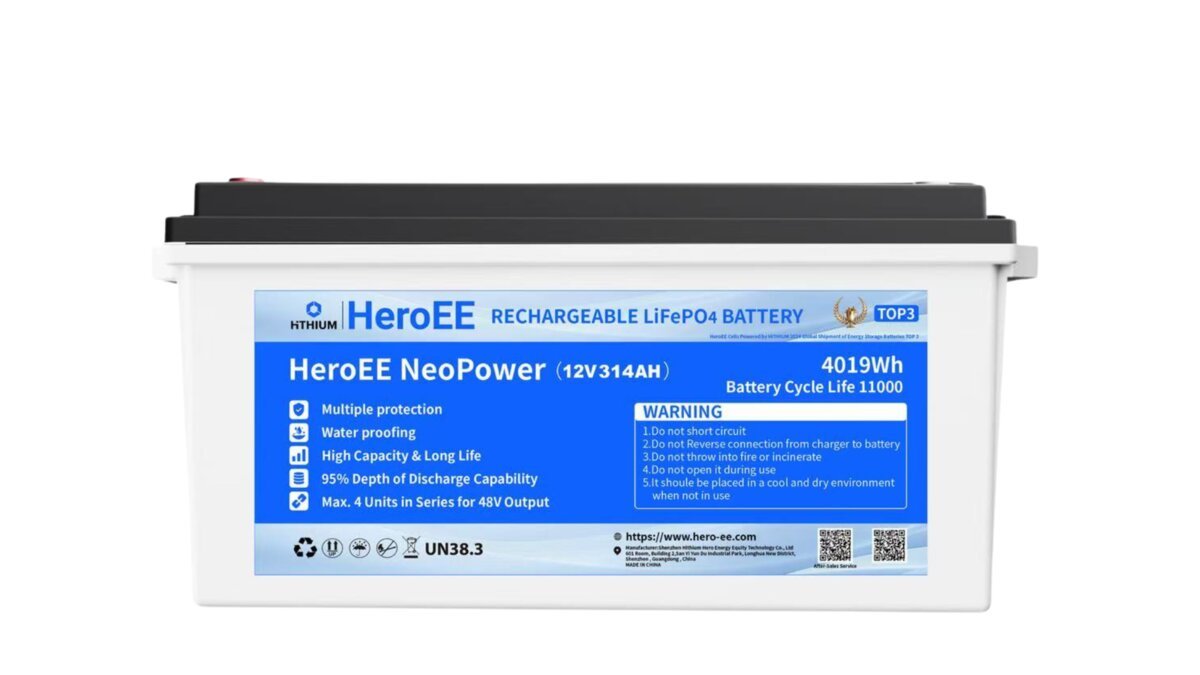
HiTHIUM Bangladesh offers a range of premium LiFePO4 batteries and complete IPS solutions designed specifically for Bangladeshi power conditions. From the L12314ES 4019Wh battery to the all-in-one MaxPower 8 AIO solar system, HiTHIUM has the right solution for every need. All HiTHIUM lithium batteries come with advanced BMS protection, fast charging capability, and industry-leading warranty coverage.
Ready to make the switch? Contact HiTHIUM Bangladesh today for expert advice on the best lithium battery for your IPS system.
Related Reading
Explore our complete library of IPS guides and resources for Bangladesh.
Make the switch to lithium. HiTHIUM’s HeroEE Light 1 and MaxPower 8 use LiFePO₄ technology — zero maintenance, 10+ year lifespan.
For a complete overview of the best IPS options for Bangladesh homes, read our Best IPS in Bangladesh guide.
Related Battery & IPS Guides
- Best Lithium Battery for IPS in Bangladesh
- LiFePO4 vs Tubular Battery Comparison
- Best Lithium IPS in Bangladesh 2026
- Lithium IPS Maintenance Guide
Related reading: HiTHIUM Shop
Also see our detailed Lithium Ips Vs Tubular Battery Saves Money Bangladesh comparison.