




Blog
IPS Buying Guide for Small Business in Bangladesh — 2026 Edition

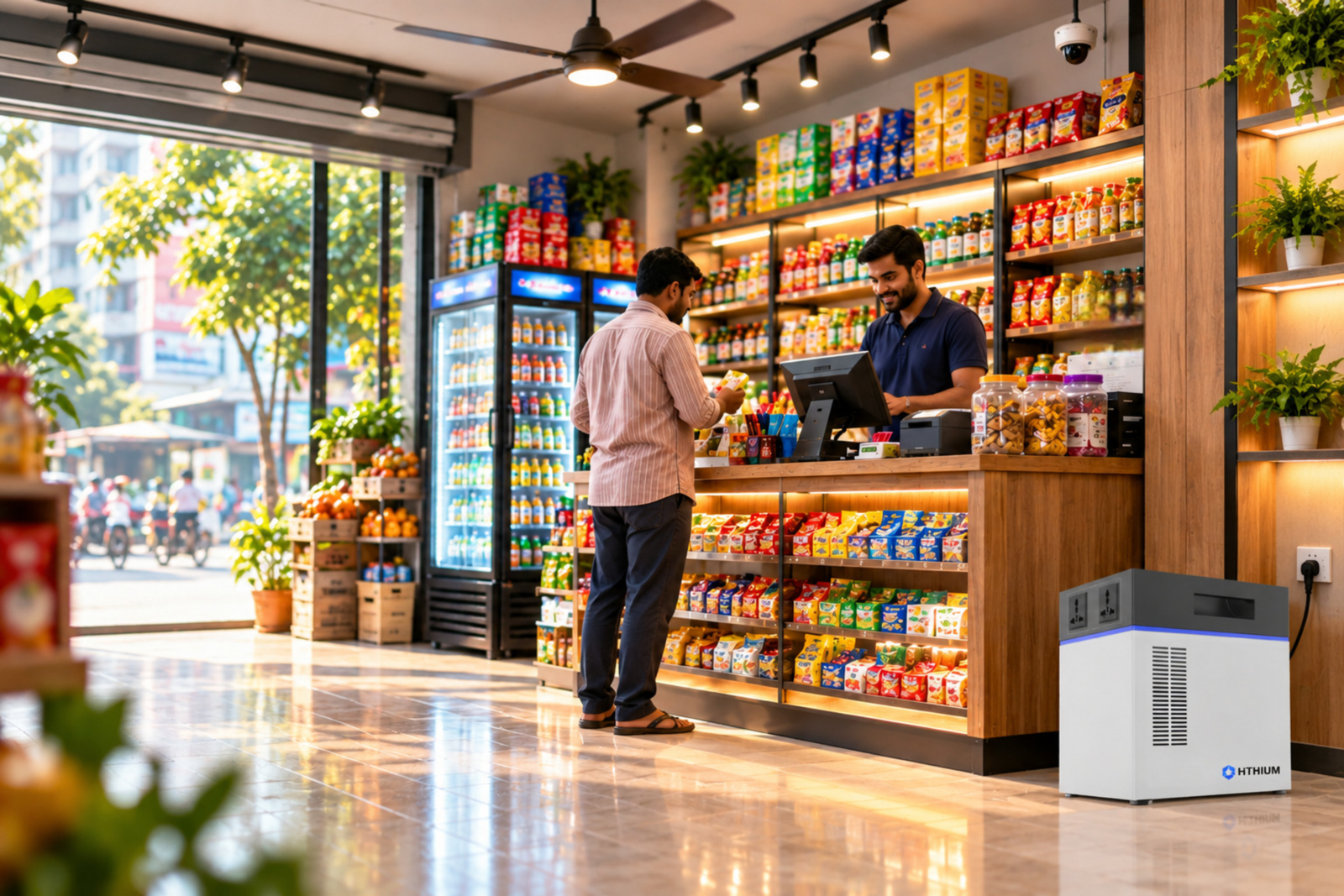
Why Every Small Business in Bangladesh Needs an IPS
Load shedding costs Bangladeshi businesses crores of taka every year. A small grocery store in Mirpur loses perishable stock when the fridge stops running. A printing shop in Chattogram misses deadlines because the machines shut down mid-job. A pharmacy in Uttara cannot power its cold storage for vaccines during an unplanned outage.
An IPS (Instant Power Supply) solves this problem by switching to battery power within milliseconds — fast enough that your POS system, lights, fans, and essential equipment keep running without interruption. For small businesses operating on tight margins, the right IPS is not a luxury. It is a basic operational requirement.
This guide walks you through exactly what to look for when buying an IPS for your small business in Bangladesh. We cover VA ratings, best battery type for IPSs, real pricing in BDT, and the mistakes that cost business owners the most money.
How to Calculate the Right IPS Size for Your Business
The most common mistake small business owners make is buying an IPS that is either too small (overloads during peak hours) or too large (wastes money on capacity you never use). Here is how to get it right.
Step 1: List Your Essential Equipment
Write down every device that must stay on during a power cut. For a typical small business in Bangladesh, this includes:
- Lighting: 4-8 LED bulbs = 80-160W total
- Fans: 2-4 ceiling fans = 160-320W total
- Computer/POS system: 150-300W
- Router and CCTV: 30-50W
- Fridge or freezer (if applicable): 150-250W (with startup surge up to 600W)
- Printer or copier: 50-100W
Step 2: Add Up Total Wattage
A small office with 6 LED bulbs, 3 fans, 1 computer, 1 router, and 1 printer draws roughly 600-800 watts. A shop with a fridge adds another 250W on average (plus startup surge).
Step 3: Convert Watts to VA
IPS systems are rated in VA (Volt-Ampere), not watts. The formula is:
VA = Watts ÷ Power Factor
Most quality IPS units have a power factor of 0.8. So for 800W of load: 800 ÷ 0.8 = 1,000 VA. Always add a 20-25% safety margin for startup surges and future additions. A 1,000W load needs at least a 1,200-1,500 VA IPS.
Quick Reference Table — IPS Size by Business Type
| Business Type | Typical Load (W) | Recommended VA | Estimated Price (BDT) |
|---|---|---|---|
| Small grocery / retail shop | 400-600W | 800-1,000 VA | ৳8,500-15,000 |
| Office with 2-3 computers | 600-1,000W | 1,000-1,500 VA | ৳12,000-25,000 |
| Pharmacy with cold storage | 800-1,200W | 1,500-2,000 VA | ৳20,000-40,000 |
| Restaurant / food shop | 1,000-2,000W | 2,000-3,000 VA | ৳30,000-60,000 |
| Printing / photocopy shop | 1,500-3,000W | 3,000-5,000 VA | ৳45,000-95,000 |
Prices are approximate for 2026 and include a lithium battery. Actual prices vary by brand and retailer.
Lithium IPS vs Tubular Battery IPS — Which Is Better for Business?
This is the single most important decision in your IPS purchase. The battery type determines your long-term cost, maintenance burden, and reliability. Here is the honest comparison:
Lithium (LiFePO4) Battery IPS
- Lifespan: 25+ years (11,000 cycles)
- Maintenance: Zero — no water topping, no terminal cleaning
- Weight: 60-70% lighter than tubular
- Charging: 2 hours to full charge
- Backup time: Consistent performance throughout discharge
- Warranty: 5 years from brands like HiTHIUM
Tubular Battery IPS
- Lifespan: 3-5 years (800-1,200 cycles)
- Maintenance: Monthly water topping, terminal cleaning every 3 months
- Weight: Very heavy — a single 200Ah battery weighs 60+ kg
- Charging: 8-12 hours to full charge
- Backup time: Drops significantly below 50% charge
- Warranty: 1-2 years typically
Cost Comparison Over 10 Years
| Factor | Lithium IPS (1,500 VA) | Tubular IPS (1,500 VA) |
|---|---|---|
| Initial cost | ৳ 33,725 | ৳15,000-22,000 |
| Battery replacements (10 yrs) | 0 | 2-3 replacements |
| Maintenance cost (10 yrs) | ৳0 | ৳5,000-10,000 |
| Electricity cost (charging) | Lower (higher efficiency) | Higher (energy lost as heat) |
| Total cost | ৳ 33,725 (25 year) | ৳40,000-70,000 (10-year) |
For a business that depends on reliable power, lithium IPS is the clear winner. The higher upfront cost pays for itself within 2-3 years through zero maintenance and no battery replacements.
What Features to Look for in a Business IPS
Not all IPS systems are built the same. These are the features that matter most for commercial use:
1. Pure Sine Wave Output
Cheaper IPS units produce “modified sine wave” power that can damage sensitive electronics — computers, printers, POS machines, and routers. Always verify the IPS outputs pure sine wave. This is non-negotiable for any business using computers or electronic equipment.
2. Automatic Voltage Regulation (AVR)
Bangladesh’s grid voltage fluctuates wildly — from 180V to 260V in many areas. An IPS with AVR stabilizes the voltage before it reaches your equipment, protecting against both low-voltage brownouts and high-voltage spikes. Without AVR, your equipment lifespan drops significantly.
3. Fast Transfer Time
The whole point of an IPS is seamless switchover. Look for a transfer time of less than 20 milliseconds. Anything above 40ms will cause computers to restart and POS systems to lose the current transaction. HiTHIUM lithium IPS systems switch in as little as 10ms.
4. Overload Protection
Small businesses often add equipment over time — a new computer here, a printer there. An IPS with overload protection will warn you and shut down safely rather than burning out the inverter board. This single feature can save you ৳10,000-20,000 in repair costs.
5. Expandable Battery Capacity
Your power needs will grow as your business grows. Choose an IPS that allows adding extra battery packs later. Some lithium IPS systems let you connect external batteries for extended backup without replacing the main unit.
6. LCD Display / Monitoring
A display showing battery level, load percentage, input/output voltage, and remaining backup time helps you manage power during extended outages. Some modern IPS units also offer Wi-Fi or Bluetooth monitoring via mobile apps.
IPS Price in Bangladesh 2026 — What Small Businesses Should Budget
Here are realistic price ranges for business-grade IPS systems in Bangladesh as of mid-2026:
| IPS Capacity | Lithium IPS (BDT) | Tubular IPS (BDT) | Best For |
|---|---|---|---|
| 200W | ৳ 33,725 | ৳6,000-9,000 | Single room shop, 2 lights + 2 fan |
| 1000W | ৳ 78,100 | ৳9,000-14,000 | Small office, computers, Fans, Bulbs |
| 1,500W | ৳ 74,500 | ৳ 75,500 | Medium office, shop with fridge |
| 5000W | ৳ 236,000 | ৳ 240,000 | Restaurant, pharmacy, large shop |
| 10,000W | ৳ 336,000 | ৳ 346,000 | Printing shop, large office, factory gate |
Prices include the IPS unit + battery. Lithium IPS prices are all-in-one units. Tubular prices include the IPS unit + one tubular battery; you may need 2 batteries for higher capacity.
For detailed pricing across brands, see our IPS Price in Bangladesh 2026 page.
5 Common Mistakes Small Business Owners Make When Buying IPS
Mistake 1: Buying Based on Price Alone
A ৳6,000 tubular IPS seems like a bargain until you replace the battery twice in 5 years (৳8,000-12,000 each), pay for monthly maintenance, and deal with equipment damage from poor power quality. The cheapest IPS is almost always the most expensive one over time.
Mistake 2: Undersizing the IPS
“I only need to run 3 lights and a fan” turns into “I also need my computer, printer, router, and CCTV” within months. Buy 20-25% more capacity than your current need. The cost difference between a 1,000 VA and a 1,500 VA lithium IPS is often just ৳5,000-8,000 — far less than buying a whole new IPS later.
Mistake 3: Ignoring the Battery Type
The IPS unit itself lasts 10-15 years. The battery is what wears out. If you buy a tubular battery IPS, you are committing to replacing the battery every 3-4 years and doing monthly maintenance. For a business owner who already has a hundred things to manage, lithium’s zero-maintenance advantage is worth the upfront premium.
Mistake 4: Not Checking Warranty Terms
Some brands offer “5-year warranty” but exclude battery degradation, require you to service at their center (which may not exist in your city), or void the warranty for voltage fluctuations. Read the warranty card before buying. HiTHIUM offers a straightforward warranty with nationwide service support in Bangladesh.
Mistake 5: Buying from Unauthorized Sellers
Grey market IPS units may be 10-15% cheaper but come with no valid warranty, potentially counterfeit batteries, and no after-sales support. Always buy from authorized dealers or the brand’s official website. Check if the seller provides a proper warranty card with a serial number.
Which HiTHIUM IPS Is Right for Your Business?
HiTHIUM Bangladesh offers a range of lithium IPS systems designed for different business sizes:
- Small shops and retail (1000-1500W): Compact lithium IPS units that handle lights, fans, and a POS system with 2-4 hours of backup
- Offices and clinics (5000-10,000 W): Mid-range units with pure sine wave output, AVR, and enough capacity for computers, printers, and networking equipment
- Restaurants and pharmacies (5000-10,000): Heavy-duty units that handle fridge compressors, deep freezers, and multiple high-wattage devices simultaneously
- Large operations (10,000+W): Commercial-grade systems for printing shops, warehouses, and multi-room offices with expandable battery configurations
Explore the full range on our Lithium IPS Bangladesh page, or compare all options on our Best IPS in Bangladesh guide.
How to Get Started
Choosing the right IPS for your small business does not have to be complicated. Follow these steps:
- Calculate your load using the table above or our HiTHIUM Watt Calculator
- Choose lithium over tubular unless you have a very tight initial budget and plan to sell the business within 2-3 years
- Pick a capacity 20-25% above your current calculated need
- Verify pure sine wave output and AVR before purchasing
- Buy from an authorized dealer and collect your warranty card
- Register your product at our Product Registration Form for warranty activation
Need help choosing? Contact HiTHIUM Bangladesh for a free consultation. Our team can recommend the exact IPS model for your business type, load requirements, and budget.
Frequently Asked Questions
Can I run a fridge on a small business IPS?
Yes, but you need at least a 1,500 VA IPS to handle a fridge’s startup surge (which can be 3-4x the running wattage). A standard fridge draws 150-250W while running but needs 600-800W to start the compressor. Always size your IPS to handle this surge.
How long will a lithium IPS last during a 4-hour power cut?
It depends on the battery capacity and your load. A 1,500 VA lithium IPS with a 100Ah LiFePO4 battery running a 500W load (small office setup) will last approximately 2-2.5 hours. For 4+ hours of backup, you need either a larger battery (200Ah) or a lower load. Use our Watt Calculator to estimate your exact backup time.
Is a lithium IPS safe for computers and POS systems?
Absolutely — as long as it outputs pure sine wave power. HiTHIUM lithium IPS systems produce clean, stable power that is safe for all sensitive electronics including computers, printers, POS machines, routers, and CCTV systems. Modified sine wave (found in very cheap IPS units) can damage these devices over time.
Do I need an electrician to install a business IPS?
Basic IPS installation (connecting to your existing electrical panel) requires a licensed electrician. The process takes 1-2 hours and typically costs ৳500-1,500 in Bangladesh. Some IPS brands include free installation — check with your dealer. Do not attempt to wire the IPS into your main panel yourself unless you are a qualified electrician.
What is the difference between IPS and UPS for a business?
In Bangladesh, “IPS” and “UPS” are often used interchangeably, but there is a technical difference. A UPS (Uninterruptible Power Supply) provides instant switchover (0ms) and is designed for computers and servers. An IPS switches in 10-20ms and is designed for general use (lights, fans, fridges). For most small businesses in Bangladesh, an IPS is the better choice because it handles both electronics and heavy appliances, whereas a UPS is typically limited to computers only.
Can I use solar panels with my business IPS?
Yes, many modern lithium IPS systems support solar input. Adding 2-4 solar panels (500-1,000W) can significantly reduce your electricity bill and provide daytime backup without draining the battery. This is especially valuable for businesses in areas with frequent daytime load shedding. See our Solar IPS Bangladesh guide for details.
Before purchasing, check our IPS price comparison guide: Luminous vs HiTHIUM vs Hamko for exact BDT pricing.

6 thoughts on “IPS Buying Guide for Small Business in Bangladesh — 2026 Edition”