




Blog
Portable Power Station vs Traditional IPS — Which One Should You Buy in Bangladesh?

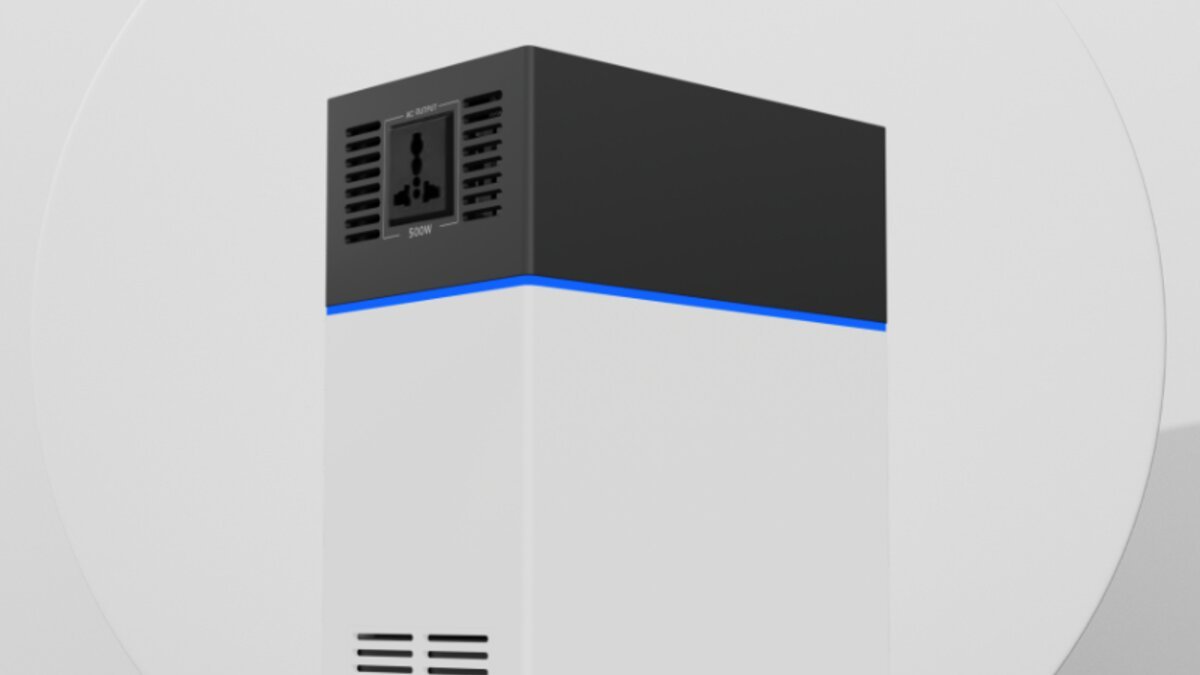
When the power goes out in Bangladesh, your first instinct might be to reach for a traditional IPS (Instant Power Supply). But there’s a newer option on the market — the portable power station. Both serve the same core purpose: keeping your devices running during load-shedding. However, they differ dramatically in technology, battery type, portability, cost, and long-term value. In this comprehensive comparison, we’ll break down every factor so you can decide which one is right for your home or business in Bangladesh.
What Is a Traditional IPS?
A traditional IPS is a backup power system commonly used in Bangladeshi households and shops. It typically consists of a large lead-acid or tubular battery connected to an inverter/charger unit. When mains power is available, the IPS charges the battery. When power cuts off, the inverter converts DC battery power to AC power for your appliances. Traditional IPS units are bulky, heavy, and usually installed in a fixed location. They’ve been the standard solution in Bangladesh for decades because they’re relatively affordable upfront and widely available.
What Is a Portable Power Station?
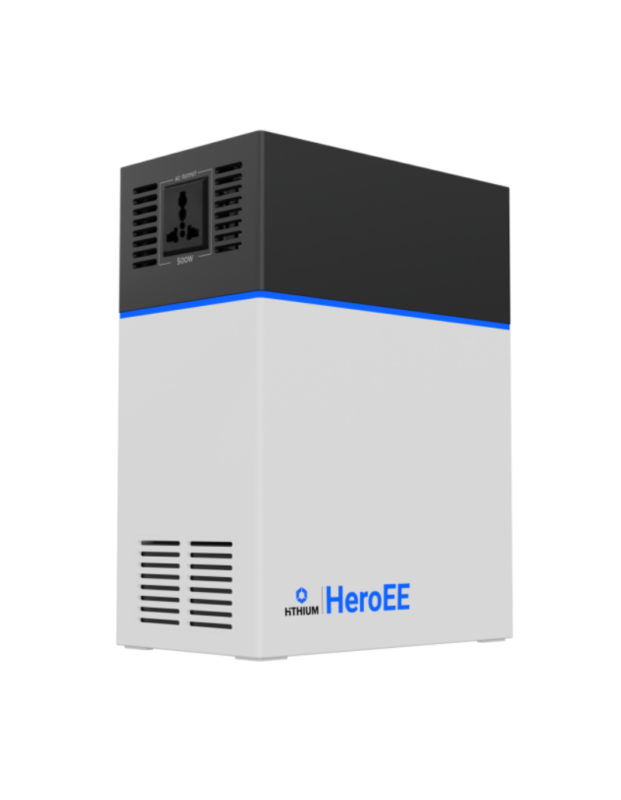
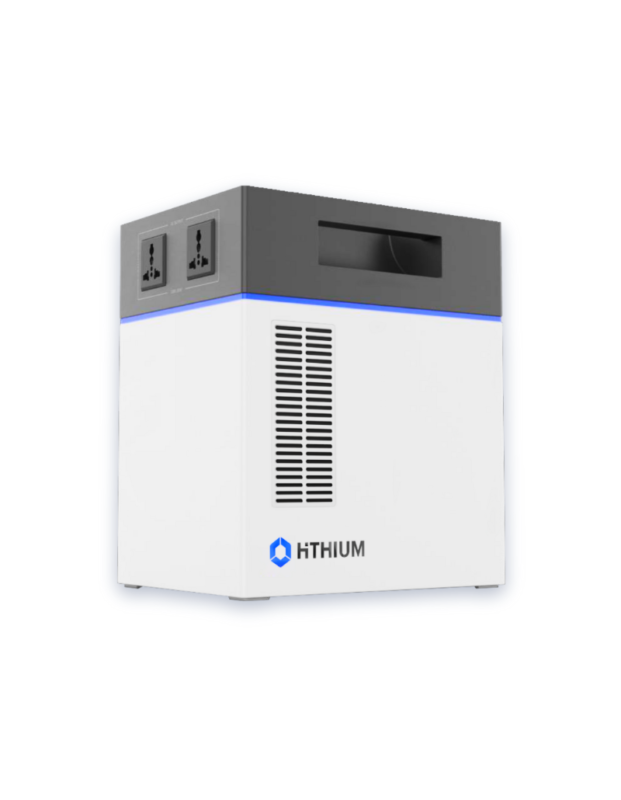
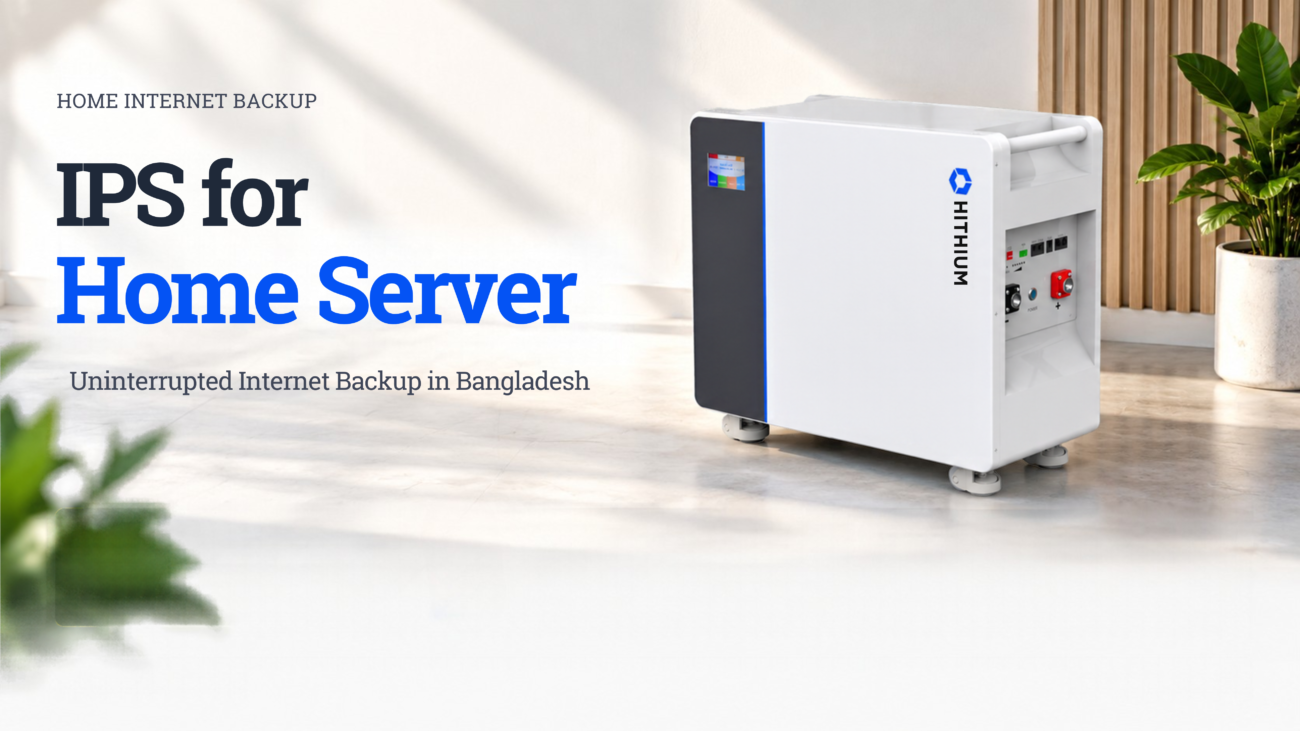
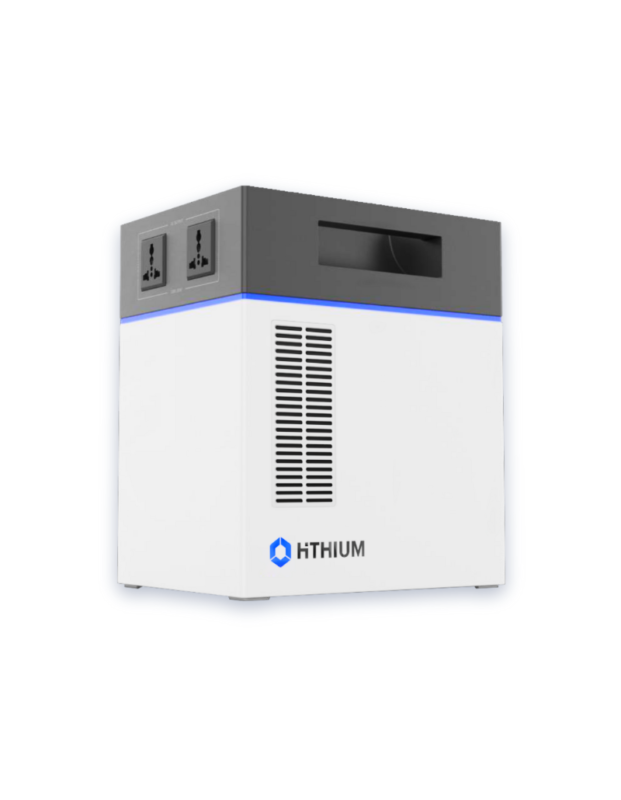
A portable power station (also called a portable IPS or lithium power station) is an all-in-one device that combines a lithium battery, inverter, and charge controller in a single compact unit. Products like the HiTHIUM HeroEE 1, HeroEE 2, and HeroEE Light 1 are prime examples. These units use advanced lithium iron phosphate (LiFePO4) battery technology, which is lighter, safer, and lasts significantly longer than traditional lead-acid batteries. Portable power stations are designed to be moved easily from room to room or even taken outdoors.
Portable Power Station vs Traditional IPS: Quick Comparison Table
| Feature | Portable Power Station (Lithium IPS) | Traditional IPS (Lead-Acid/Tubular) |
|---|---|---|
| Battery Type | Lithium LiFePO4 | Lead-Acid or Tubular |
| Weight | Lightweight (8–18 kg) | Very Heavy (25–80+ kg) |
| Portability | Easy to carry, handle included | Fixed installation, hard to move |
| Lifespan | 11,000+ cycles (25+ years) | 300–800 cycles (2–4 years) |
| Charge Time | 2 hours (fast charging) | 6–12 hours (slow charging) |
| Maintenance | Zero maintenance | Water topping, terminal cleaning |
| Noise | Silent operation | Humming from fan/cooling |
| Safety | BMS protection, no gas emission | Hydrogen gas risk, acid leaks |
| Upfront Cost | Higher initial investment | Lower initial cost |
| Cost per Year (10yr) | Lower (battery lasts longer) | Higher (replace battery 2–3×) |
| Warranty | 2–5 years typical | 6–12 months typical |
| Pure Sine Wave | Yes (protects sensitive electronics) | Often modified sine wave |
| Solar Input | Built-in MPPT solar support | Requires separate solar charger |
1. Battery Technology: LiFePO4 vs Lead-Acid
The most significant difference lies in the battery chemistry. Portable power stations use lithium iron phosphate (LiFePO4) batteries. These batteries offer 11,000+ charge cycles, which translates to15-25 years of daily use. In contrast, traditional IPS units use lead-acid or tubular batteries that provide only 300 to 800 cycles — roughly 2 to 4 years before replacement is needed.
LiFePO4 batteries also maintain consistent voltage throughout discharge, meaning your appliances get steady power until the battery is nearly empty. Lead-acid batteries experience voltage sag, causing lights to dim and fans to slow as the battery drains.
2. Weight and Portability
A typical 1kWh portable power station like the HiTHIUM HeroEE Light 1 weighs only about 9.3 kg and comes with a built-in handle. You can carry it from your bedroom to your living room or even take it to your shop or outdoor event. A traditional IPS with equivalent capacity requires a 100Ah+ tubular battery that weighs 25–35 kg plus the inverter unit, totaling 40–60 kg. Installation requires a fixed spot, and moving it is a two-person job.
3. Charging Speed
Portable power stations support fast charging. The HiTHIUM HeroEE series can charge fully in about 2 hours using the standard charger. Some models support solar charging via built-in MPPT controllers, allowing you to recharge from sunlight in 3–5 hours. Traditional IPS units with lead-acid batteries require 8–12 hours for a full charge — often taking all night. Slow charging means if you have multiple power cuts in a day, the IPS may not have enough time to fully recharge between outages.
4. Lifespan and Long-Term Cost
Let’s do the math. A traditional IPS with a 100Ah tubular battery costs around Tk 12,000–18,000 for the battery alone, which lasts 2–4 years. Over 10 years, you’ll replace the battery 2–4 times, spending Tk 36,000–72,000 just on batteries. A portable power station like the HiTHIUM HeroEE series costs more upfront (Tk 33,725–78,100 depending on capacity) but lasts 25+ years with zero battery replacements. When you factor in the cost of maintenance, water refilling, and potential acid damage to flooring, the portable power station is the more economical choice in the long run.
5. Safety and Maintenance
LiFePO4 batteries are inherently safe. They don’t emit flammable hydrogen gas, don’t leak acid, and don’t require any maintenance. A built-in Battery Management System (BMS) protects against overcharging, over-discharging, short circuits, and overheating. Traditional lead-acid batteries require periodic distilled water refilling, terminal cleaning to prevent corrosion, and proper ventilation to avoid hydrogen gas buildup. They also pose a risk of acid spills if tipped over.
6. Power Quality: Pure Sine Wave vs Modified Sine Wave
Most portable power stations deliver pure sine wave output, identical to grid power. This is essential for sensitive electronics like laptops, LED TVs, CPAP machines, and medical equipment. Many traditional IPS units provide modified sine wave output, which can cause humming in audio equipment, overheating in some motors, and even damage to certain sensitive devices over time.
7. Solar Compatibility
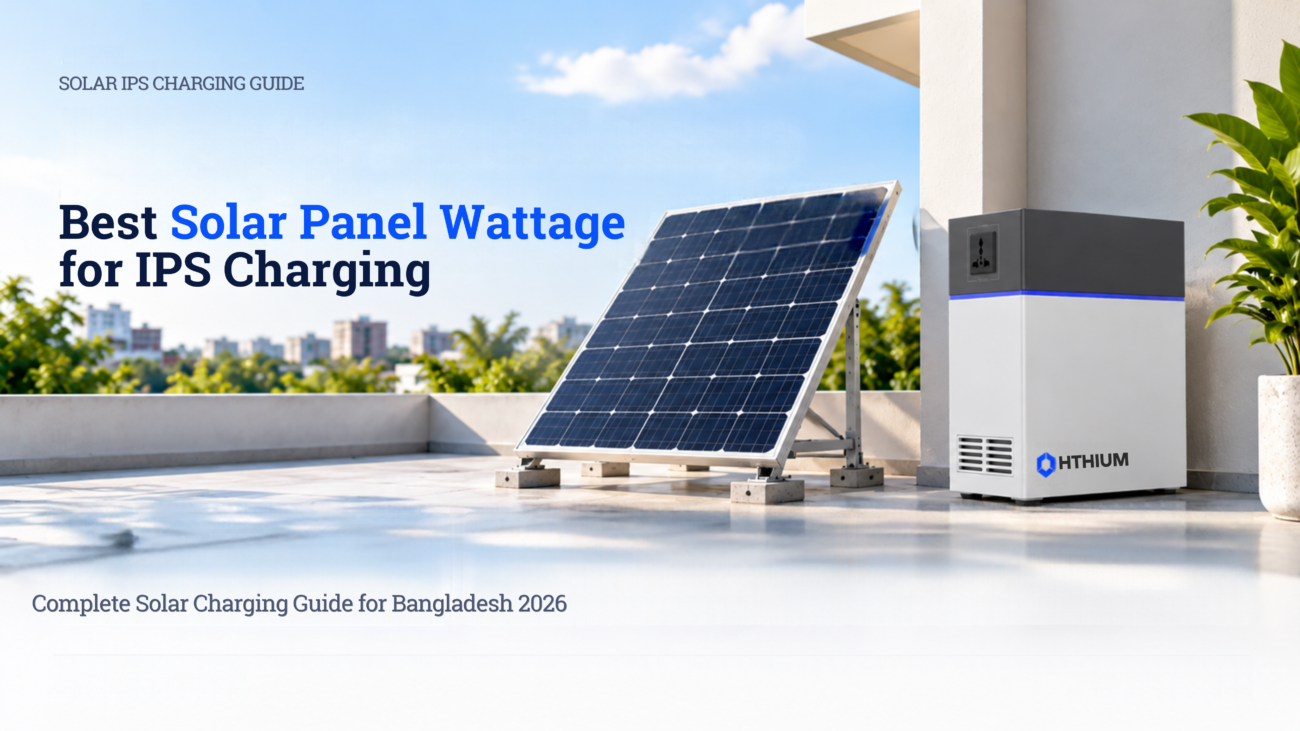
Portable power stations from HiTHIUM come with built-in MPPT solar charge controllers. You can connect solar panels directly to charge your power station during the day, giving you free, renewable backup power. Traditional IPS units generally don’t have built-in solar support — you’d need to buy a separate solar charge controller and modify the system. This makes portable power stations a future-proof choice for those planning to go solar.
8. Which One Should You Buy in Bangladesh?
Choose a Portable Power Station if:
- You need a lightweight, movable backup power solution
- You want zero maintenance and long-term savings
- You have sensitive electronics that need pure sine wave power
- You plan to add solar panels in the future
- You live in an apartment where space is limited
- You want 15+ years of reliable service
Choose a Traditional IPS if:
- You have a very tight upfront budget
- You need very high capacity (5kWh+) for whole-home backup
- You don’t mind regular maintenance and periodic battery replacement
- Weight and space are not concerns
Final Verdict
For the majority of Bangladeshi households and small businesses, a portable power station with LiFePO4 battery technology is the better investment. While the upfront cost is higher, the total cost of ownership over 10 years is lower, and you get superior portability, safety, and convenience. HiTHIUM’s range of portable power stations — from the HeroEE Light 1 (1004.8Wh) to the HeroEE 2 (2kWh) — offers options for every need and budget. Visit HiTHIUM Bangladesh today to find the perfect portable power solution for your home or business.
Related Reading
Explore our complete library of IPS guides and resources for Bangladesh.
For true portable power, the HeroEE Light 1 (9.3 kg) and HeroEE 2 (18.5 kg) are pure sine wave portable power stations.
For a complete overview of the best IPS options for Bangladesh homes, read our Best IPS in Bangladesh guide.
Related Guides
- Best Lithium IPS in Bangladesh 2026
- Best Portable IPS in Bangladesh 2026
- Portable Power Station Price in Bangladesh
- Lithium IPS vs Generator Comparison
Related reading: Best Lithium IPS | Best Portable IPS | Portable Power Station Price
Related Posts
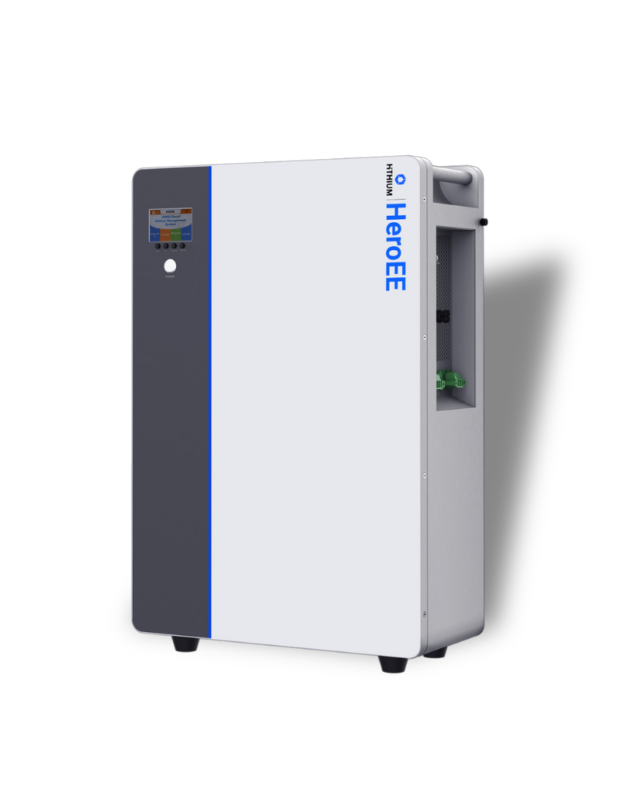
Solar + LiFePO4 Battery System Cost Analysis Bangladesh 2026: Complete Price Guide

How to Calculate Solar Panel Wattage for LiFePO4 Battery in Bangladesh (2026 Guide)
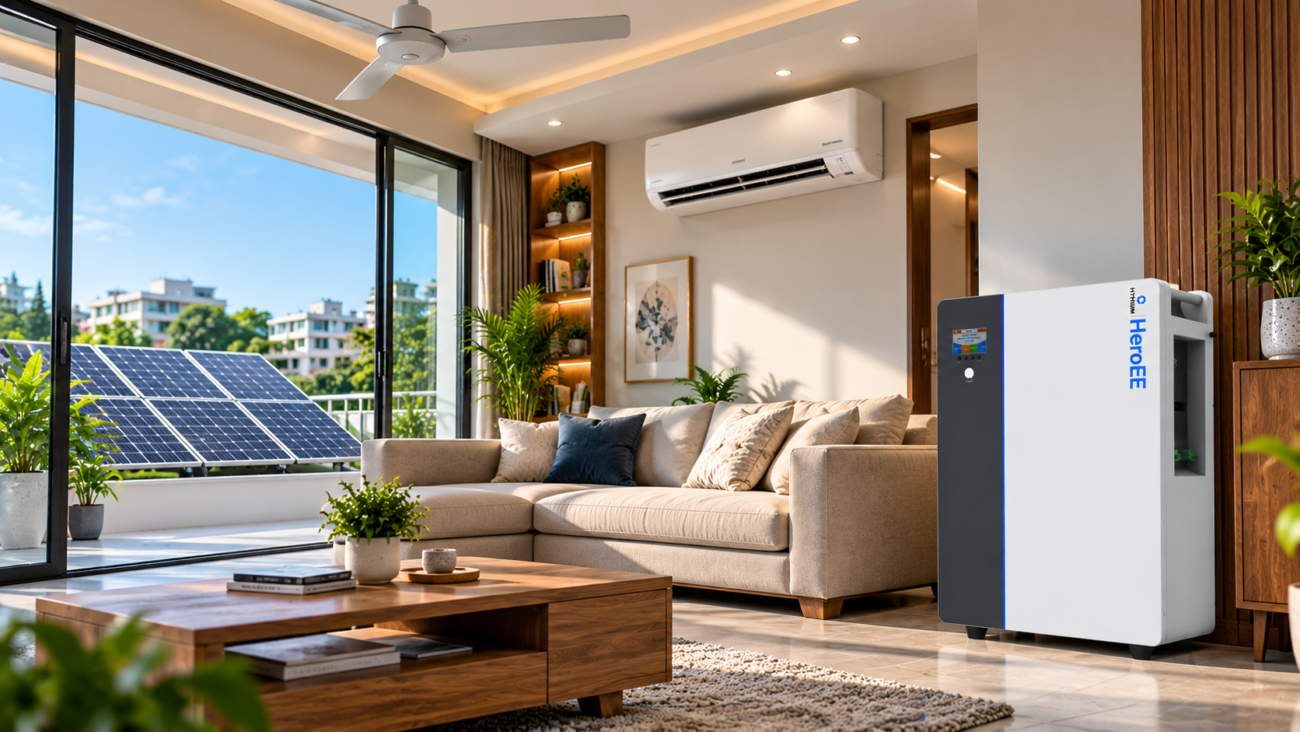
Best LiFePO4 Battery for Solar Home System in Bangladesh 2026 — Complete Buying Guide
Discover the best LiFePO4 batteries for solar home systems in Bangladesh. Compare HiTHIUM HeroEE L12314ES (4019Wh), MaxPower 8 AIO, and HeroEE 2 — with prices, specs, and buying tips for 2026.


One thought on “Portable Power Station vs Traditional IPS — Which One Should You Buy in Bangladesh?”